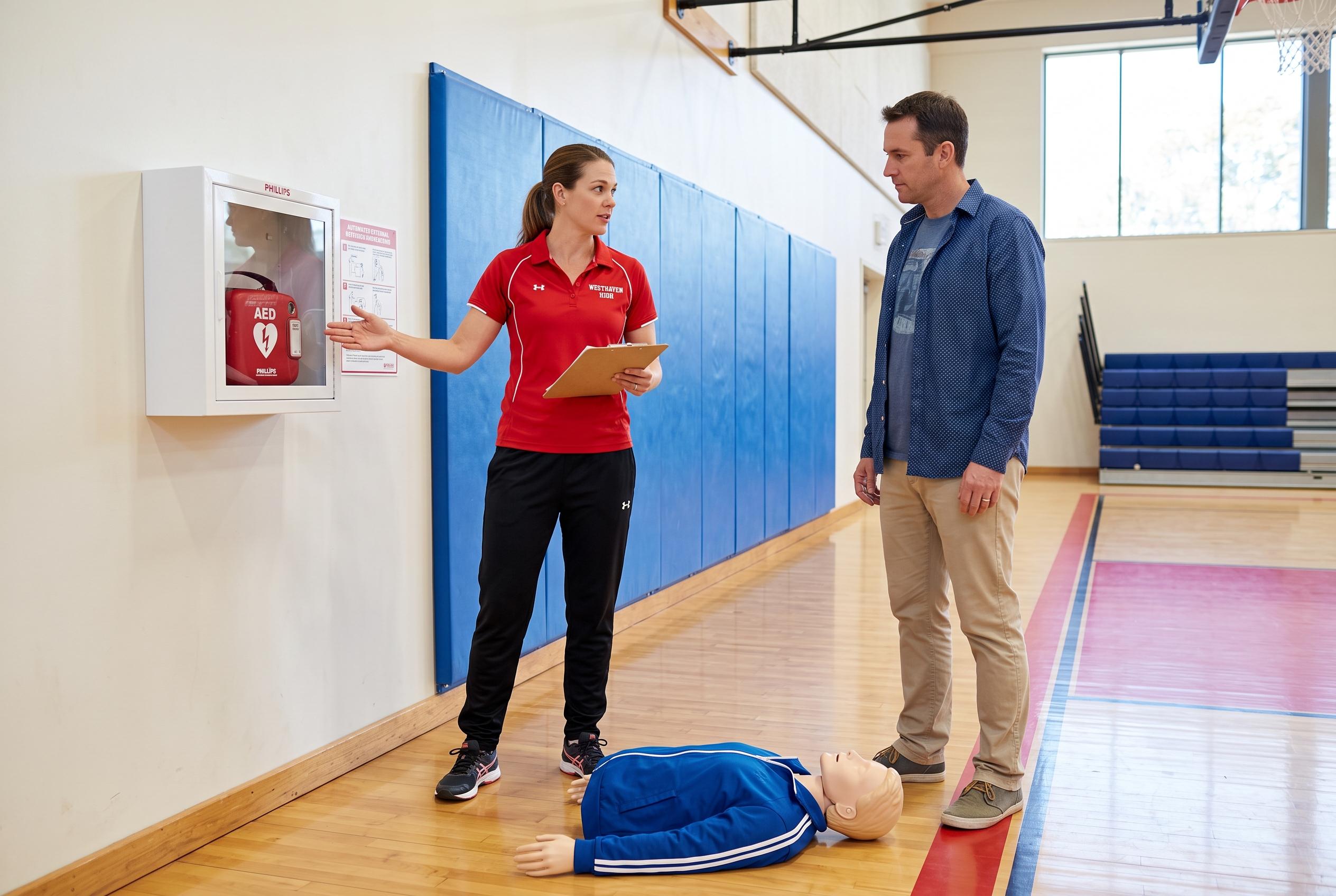

Clubs, schools, and coaches are being urged to bolster preparedness for sudden cardiac arrest events in young athletes through enhanced screening and rapid emergency action plans, including CPR training and AED availability.
A young athlete collapsing from sudden cardiac arrest remains a rare event, but it is one that clubs, schools and coaches are urged to prepare for. Researchers at Oregon Health & Science University say the key is not only spotting heart problems before play starts, but making sure teams can respond fast when the worst happens.
Medical groups say many cases in people under 35 are linked to undiagnosed heart disease, which is why pre-participation physicals and routine health checks matter. The Mayo Clinic and Mayo Clinic Health System both stress that warning signs, family history and a thorough sports exam can help identify athletes who may need more testing before they compete.
Preparedness on the sideline is just as important. Guidance from the National Athletic Trainers’ Association and a recent review in PubMed emphasise emergency action plans, CPR training and immediate access to an automated external defibrillator, or AED, because early defibrillation greatly improves survival. HealthyChildren.org also recommends community life-support training and knowing where AEDs are kept.
The message from clinicians is straightforward: prevention can reduce risk, but no screening programme catches every dangerous condition. That is why teams are being urged to treat sudden cardiac arrest as an emergency they can rehearse for, not just a medical event they hope never to see.
Disclaimer: This content is for informational purposes only and is not intended to be a substitute for professional medical judgment, advice, diagnosis, or treatment.