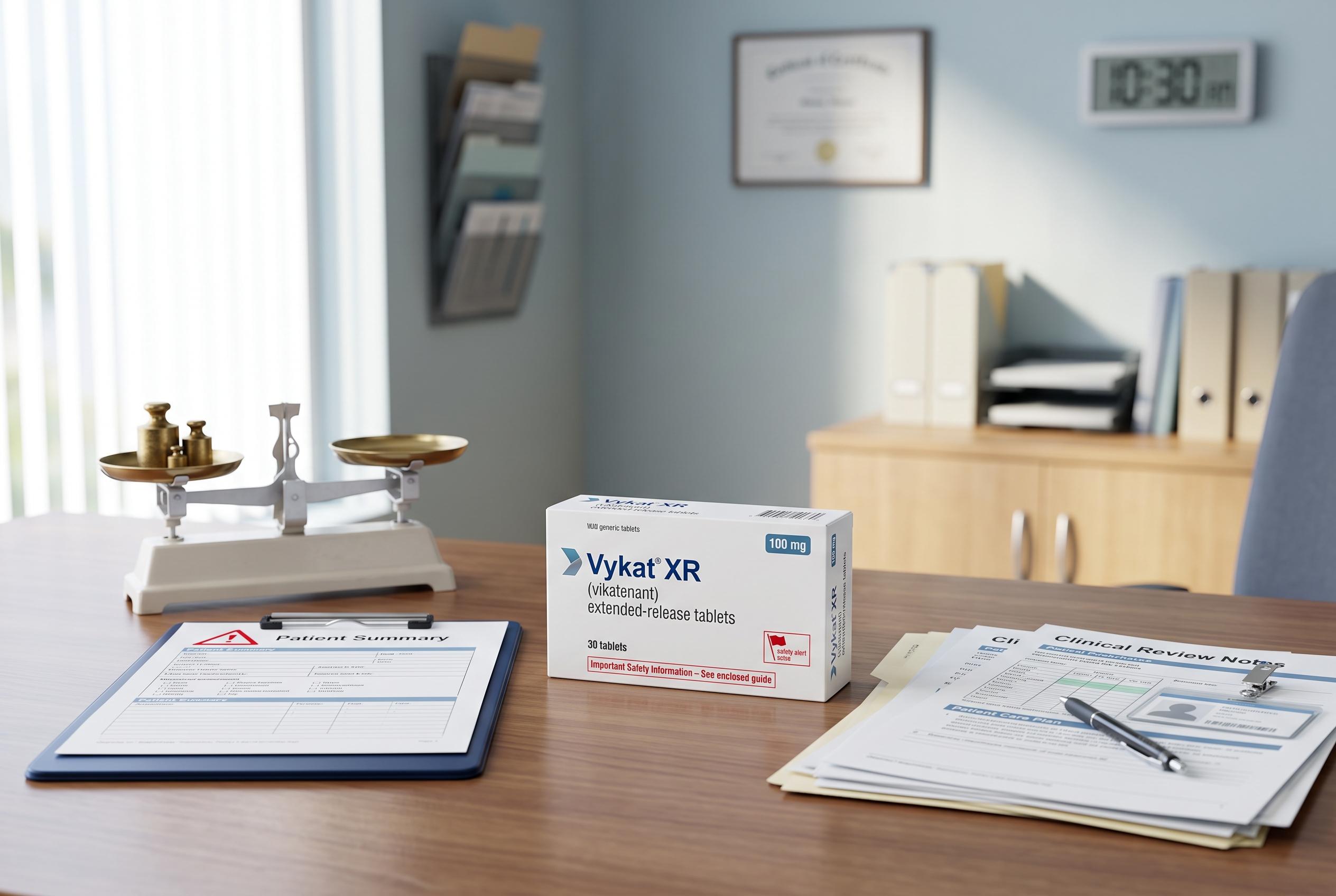

A new safety alert linked to Neurocrine Biosciences’ Vykat XR raises concerns about the drug’s safety and usage, amid reports of deaths and serious adverse events in the treatment of Prader-Willi syndrome.
A new safety warning tied to Neurocrine Biosciences’ Vykat XR has raised fresh questions about whether the only approved treatment for Prader-Willi syndrome is being used as widely and safely as expected. In a letter posted on the Foundation for Prader-Willi Research website, a group of experts said the medicine has been linked to seven deaths, most of them involving heart or breathing problems, and to more than 100 serious adverse events, including swelling and cardiopulmonary complications. Some of the signatories were also investigators on Vykat XR studies.
The concern matters because Prader-Willi syndrome is a rare genetic disorder marked by extreme, hard-to-control hunger. According to the prescribing information, Vykat XR is approved in the US for hyperphagia in adults and children aged 4 and older, and physicians are advised to monitor for hyperglycaemia and fluid overload. Drugs.com says those risks are well recognised for the diazoxide-based mechanism behind the treatment, which can affect blood sugar and fluid balance.
Even so, the experts said it is not yet clear whether Vykat XR directly caused the reported deaths or whether it worsened pre-existing problems common in Prader-Willi syndrome, such as sleep apnoea, obesity-related breathing issues and type 2 diabetes. The letter said those conditions can resemble the very complications now under scrutiny, and the latest concerns did not emerge in the 127-patient DESTINY PWS study that supported the drug’s approval. The authors also noted that the study’s exclusion criteria may have left out more severe patients.
Neurocrine, which acquired Vykat XR when it bought Soleno Therapeutics earlier this year, said it had carried out extensive diligence on the safety profile before completing the deal. The company said the drug has a compelling risk-benefit profile in the context of a very serious disease and that it is working with the FDA, patient advocates and prescribers as post-marketing data continue to accumulate. The approval itself was granted on March 27, 2025, after the medicine was cleared for use in patients with Prader-Willi syndrome.
The warning to clinicians may also affect sales of a drug that has already shown uneven commercial momentum. Neurocrine reported $190.4 million in Vykat XR sales for 2025, while quarterly sales this year have been broadly flat at about $94 million. Chief executive Kyle Gano said on the company’s second-quarter earnings call that discontinuation rates could reach 25% to 30%, a level he described as typical for orphan drugs, though that is sharply higher than the roughly 12% adverse-event discontinuation rate reported at the end of last year. Even with the new caution, Vykat XR remains the only approved treatment for the condition, so doctors are likely to keep using it, albeit with tighter monitoring and more careful patient selection.
Disclaimer: This content is for informational purposes only and is not intended to be a substitute for professional medical judgment, advice, diagnosis, or treatment.