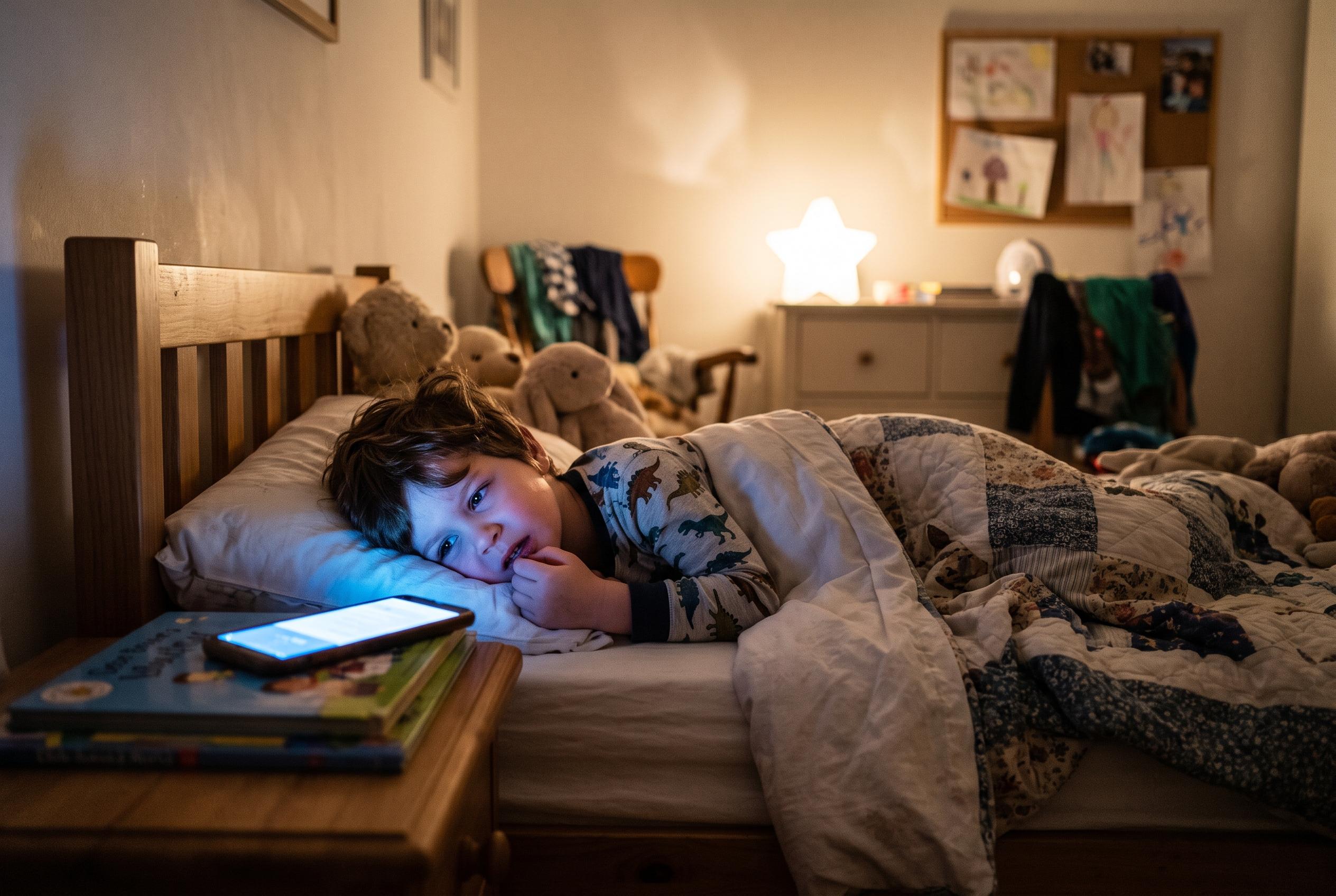

Health specialists in Piedras Negras caution that early and heavy use of screens can negatively impact children’s sleep, attention span, and learning abilities, urging parents to monitor and limit screen exposure in the formative years.
Health specialists in Piedras Negras are warning families that early and heavy exposure to screens can affect children’s sleep, attention and learning. Antonio Pulido Jaques, who coordinates child and adolescent care in Jurisdicción Sanitaria Uno, said the greatest concern is in the first years of life, when children are going through rapid development and are more vulnerable to constant artificial light, fast-moving images, bright colours and loud sounds.
Pulido Jaques said children should avoid screens before age 2 and that cellphone use should be kept to a minimum in early childhood. When screens are introduced, he recommended slower-paced content with muted colours and without constant changes in sound or image. He also advised that televisions be kept 3 to 4 metres away and that volume levels stay low enough to protect hearing.
His comments align with broader paediatric guidance. HealthyChildren.org, a publication of the American Academy of Pediatrics, says excessive screen time can contribute to eye strain, blurred vision and dry eyes, and recommends keeping screens out of the hour before bedtime. Research funded by the Eunice Kennedy Shriver National Institute of Child Health and Human Development has also found that bedtime screen use can reduce sleep in children with weaker impulse control, while a review of studies has linked more screen time to shorter sleep and poorer sleep quality.
Pulido Jaques also stressed the risk from loud environments, saying sound levels above 80 to 90 decibels can damage hearing. He recommended ear protection at concerts, parties and other high-volume events. For teenagers, he said platforms such as TikTok and artificial intelligence tools can be useful when used properly, but should not replace reading, full-length study or verified information. He urged parents and educators to encourage concentration, analysis and habits that go beyond quick, fragmentary content.
Disclaimer: This content is for informational purposes only and is not intended to be a substitute for professional medical judgment, advice, diagnosis, or treatment.