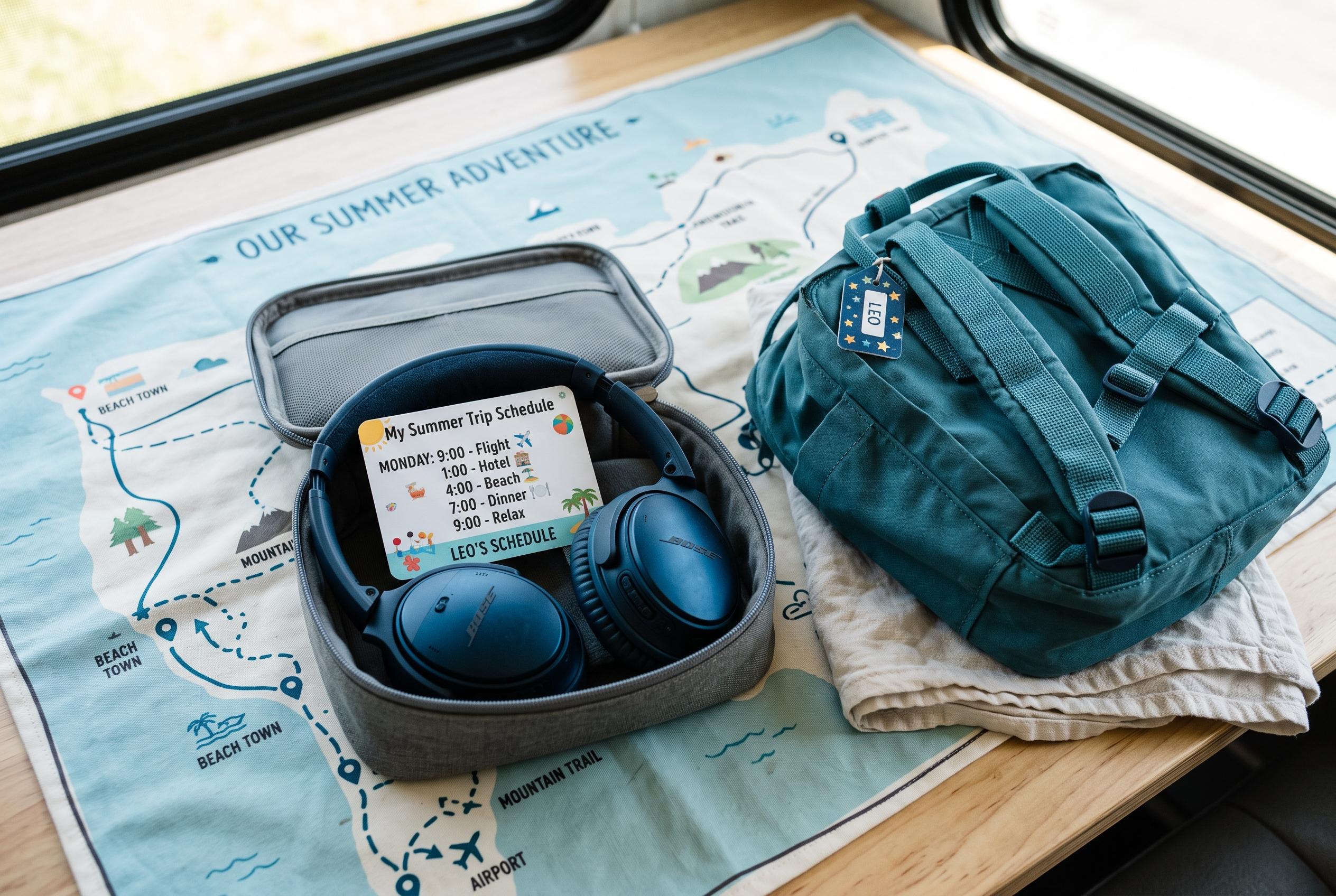

Flexible planning, familiar routines, and sensory-sensitive destinations are reshaping summer travel for autistic and neurodivergent children, transforming stressful journeys into enjoyable experiences tailored to each child’s needs.
Summer travel can be rewarding for autistic and neurodivergent families, but it often takes more planning than it does for others. The lead article argues that the real goal is not a flawless holiday but a calmer one, built around preparation, flexibility and a better fit for each child’s needs. Guidance from My Autism, Autism Speaks and other autism-focused organisations supports that approach, stressing that a successful trip usually starts well before departure. [2][3][4]
One of the most practical steps is to make the trip familiar in advance. My Autism recommends using pictures, calendars and other visual tools to explain where the family is going and what will happen next, while Autism Speaks suggests rehearsal and teaching stories to reduce uncertainty. That kind of preparation can make a big difference for children who rely on routine and predictability to feel secure. [2][3]
Choosing the right destination matters just as much. The lead article makes the case for quieter breaks, whether that means a lake, a rental home or a short local outing instead of a packed attraction. Autism Parenting Magazine similarly notes that many families benefit from destinations that are designed with sensory sensitivities and routine in mind, rather than trying to force a one-size-fits-all holiday. [1][4]
Packing familiar comforts is another recurring recommendation. Autism Speaks, EZducate and Cove ABA Therapy all point to the value of bringing items such as headphones, favourite snacks, a stuffed toy or a playlist from home. Those small anchors can help ease sensory overload and give a child something steady to hold on to when the environment changes. [3][5][6]
The same logic applies to pacing the day. The lead article urges families not to overfill the schedule, and EZducate and Admire ABA Therapy both recommend regular breaks, calm spaces and a willingness to leave early if needed. For many children, rest is not a luxury on holiday; it is what makes the day manageable. [1][5][7]
In the end, the article’s message is simple: families do not need to copy anyone else’s idea of summer to make it meaningful. The best trips are often the ones that leave room for comfort, downtime and adjustment. For autistic and neurodivergent children, that kind of planning can turn a stressful journey into one that feels safe enough for enjoyment to grow. [1][2][6]
Disclaimer: This content is for informational purposes only and is not intended to be a substitute for professional medical judgment, advice, diagnosis, or treatment.