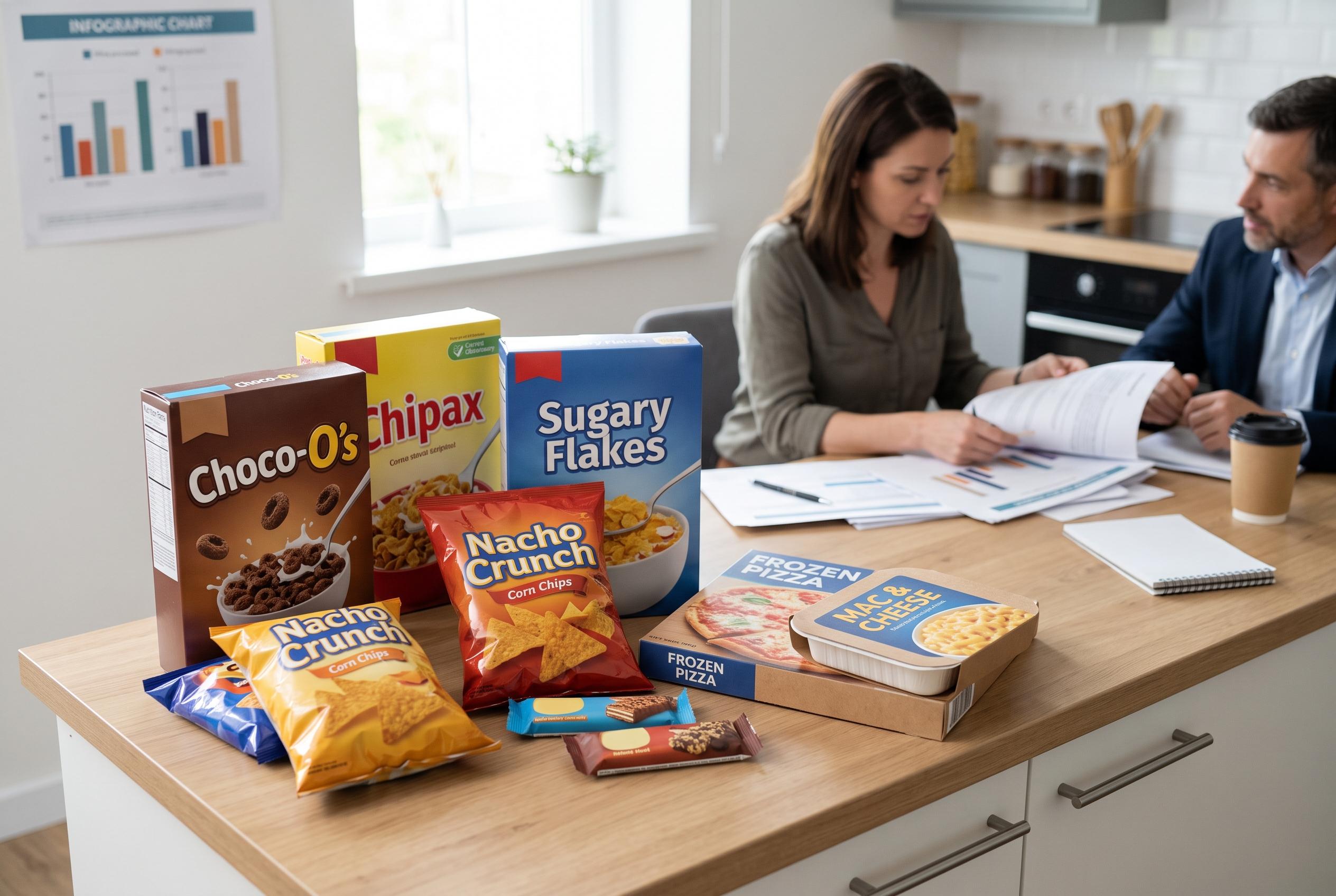

A new Harvard-led analysis reveals that not all ultra-processed foods are equal, emphasising the importance of diet quality over processing levels and prompting calls for more nuanced food regulations.
A new Harvard-led analysis adds fresh weight to a long-running argument in food policy: not all highly processed foods deserve the same reputation. Researchers followed more than 200,000 adults over several decades and found that diet quality, rather than processing alone, was the stronger predictor of heart disease, type 2 diabetes and death, according to Harvard Health’s account of the work and related findings from earlier Harvard reviews. The study’s message is straightforward: some ultra-processed foods are poor choices, but others carry meaningful nutritional value.
That distinction matters for grain foods, where fortification has long been used to add iron, folic acid and B vitamins back into refined products. Baking Business reported that enriched flour in the US must contain iron, thiamin, riboflavin, niacin and folic acid, while the Grain Foods Foundation says enrichment has helped improve micronutrient intake and reduce deficiency-related diseases. The same article noted that cereal makers are leaning into that nutrition story, with WK Kellogg highlighting fibre, whole grains and key vitamins in recent product launches.
The Harvard findings also fit with a broader point made in another Harvard review: ultra-processed foods are not a single category of risk. Some, such as sugary drinks and processed meats, are closely tied to worse cardiovascular outcomes, while others, including fortified cereals, canned beans and some plant-based dairy products, can contribute fibre, protein and micronutrients. That is one reason the debate over processing remains unsettled, even as public-health researchers continue to link heavy ultra-processed intake with poorer health outcomes overall.
Regulators have yet to settle the terminology. According to Baking Business, the US Department of Health and Human Services and the Agriculture Department sought public input on a uniform definition of ultra-processed foods, but had still not issued one by late July. The same report said industry groups have pointed to approaches in the UK, Canada and Nordic countries that focus more on nutrient content than processing level alone, a sign that policy discussions are moving towards a more nuanced framework.
Consumer behaviour appears to reinforce that shift. A June survey by the International Food Information Council found shoppers still pay close attention to vitamins and minerals on packaging, while industry executives told Baking Business that demand remains strong for ingredients such as calcium, iron, zinc and vitamin D. That is helping to keep fortified grain foods relevant, including for people taking GLP-1 medicines, who often eat less and may need more nutrition from each meal.
Disclaimer: This content is for informational purposes only and is not intended to be a substitute for professional medical judgment, advice, diagnosis, or treatment.