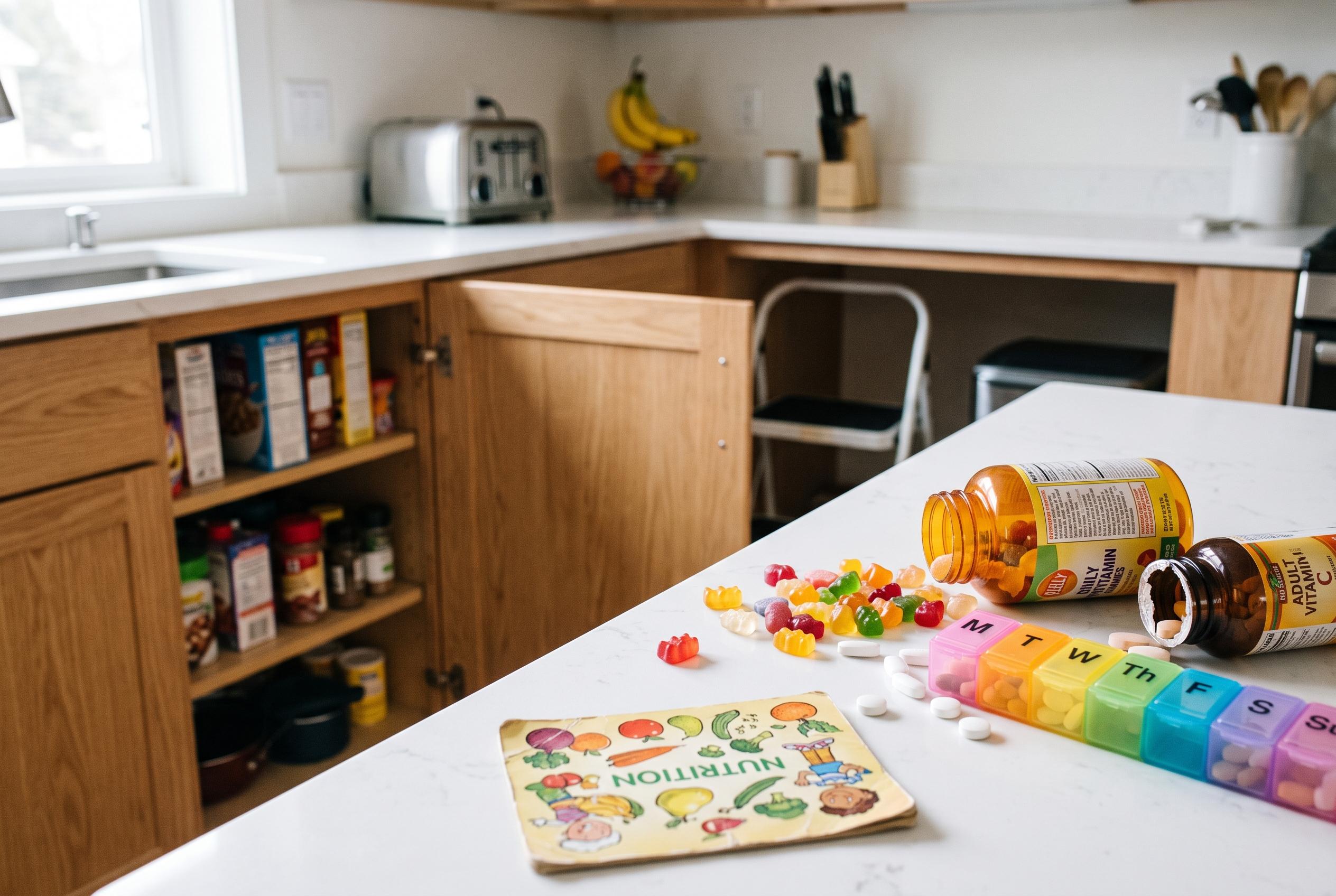

Research presented at a pediatric conference reveals thousands of U.S. children hospitalised for supplement poisoning, highlighting growing concerns over supplement safety and storage practices.
Thousands of U.S. children have been hospitalised in recent years after being poisoned by vitamins and minerals, according to research presented at the Pediatric Hospital Medicine conference in Kansas City, Missouri. The findings suggest that supplement-related harm among children is more common than many families realise, even though the study captured only those products with specific toxicity codes in federal hospital data.
Marina Masciale, a paediatrician at Baylor College of Medicine in Houston, said the team identified 1,961 hospitalisations over 3 years in the Healthcare Cost and Utilization Project Kids’ Inpatient Database. The study, she said, likely represents only part of the problem because many supplement exposures would not be coded in a way that allowed them to be counted. The median hospital stay lengthened from 3 days in the earlier part of the period to 4 days in 2022, and about one-third of the cases involved especially severe illness.
The research also found that 56% of the hospitalisations followed intentional ingestion. Teenagers aged 13 to 17 accounted for 57% of cases and 73% were girls. Christina Abi Kheir, a paediatric hospital medicine fellow at Baylor and a co-author of the study, said the data could not prove intent, but the pattern raised concern. Masciale said many of the cases may have involved self-harm, while some could have reflected attempts to get high or to improve health.
Experts outside the study said the findings fit a wider pattern. Earlier research using poison centre data found that dietary supplement exposures have risen over time and that most involve young children, with some products linked to significant toxicity. Carl Baum, a paediatric emergency medicine and medical toxicology specialist at Yale School of Medicine in New Haven, Connecticut, said consumers often do not know exactly what is in a supplement bottle. Masciale said better regulation may be needed, but argued that the more immediate step is for families to store vitamins and minerals like medicines, especially where children or adolescents with mental health conditions are concerned.
Disclaimer: This content is for informational purposes only and is not intended to be a substitute for professional medical judgment, advice, diagnosis, or treatment.