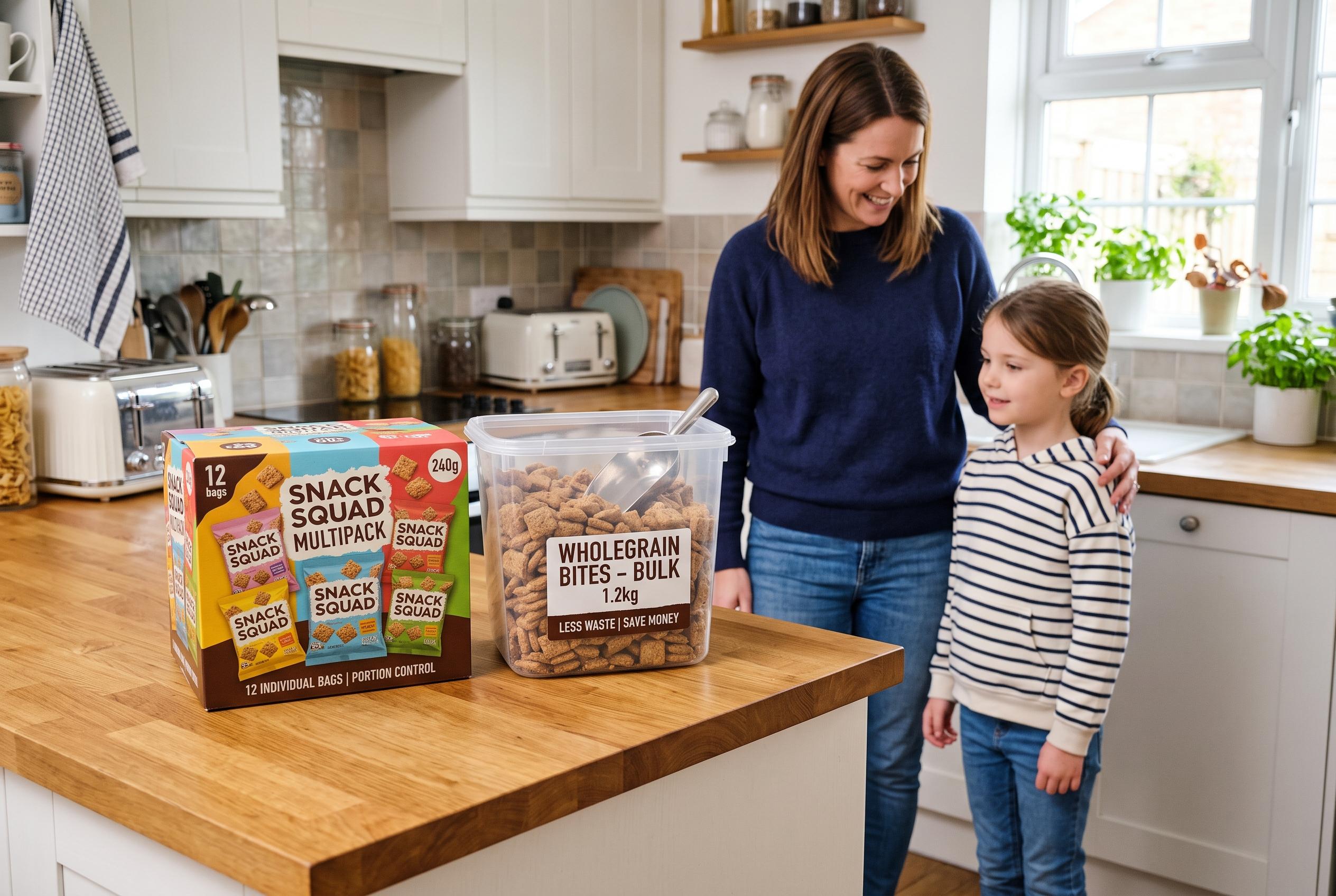

As families gear up for the new school year, parents are weighing the convenience of snack multipacks against the cost savings of bulk options, amid rising preferences for portion control and waste reduction.
As the new school year gets under way, many parents face a familiar question in the snack aisle: whether to buy the neat little multipacks designed for lunchboxes or the larger family bags and boxes that need to be portioned at home. The answer, according to the article and related industry coverage, usually comes down to a trade-off between convenience and unit price.
The central issue is packaging. Multipacks tend to cost more because shoppers are paying not just for the food but for the extra materials, labour and handling needed to create individual portions. Reports on snack packaging trends note that single-serve formats have become more popular with time-pressed consumers, but that convenience almost always carries a premium.
Unit pricing is the clearest way to compare value. As the grocery article argues, a full-size bag or box of cereal, crackers or crisps generally works out cheaper per ounce than a box of individually wrapped portions. Similar coverage from Inkl says “fun size” and mini snack packs can look inexpensive on the shelf while costing far more once shoppers compare weight rather than sticker price.
That said, bulk buys are not always the automatic winner. Larger packages can create their own hidden costs if food goes stale, gets crushed or is wasted before it is eaten. Industry coverage on single-serve packaging points out that consumers increasingly want formats that help prevent waste, especially in smaller households or busy homes where convenience matters almost as much as price.
One practical middle ground is to buy larger packs and divide them at home into reusable containers or pouches. The article suggests this approach can preserve much of the cost advantage of bulk shopping while still giving children portable snacks for school. Foodservice guidance on single-serve alternatives makes a similar case, saying bulk options work best when households have the systems to store and portion them properly.
Snack manufacturers have also responded to demand for variety by building more mixed multipacks, sometimes with several flavours in one carton. That can suit families with different preferences, but it can also add complexity and cost to production. For shoppers, the lesson is unchanged: convenience has value, but the cheapest-looking snack is not always the best buy.
Disclaimer: This content is for informational purposes only and is not intended to be a substitute for professional medical judgment, advice, diagnosis, or treatment.