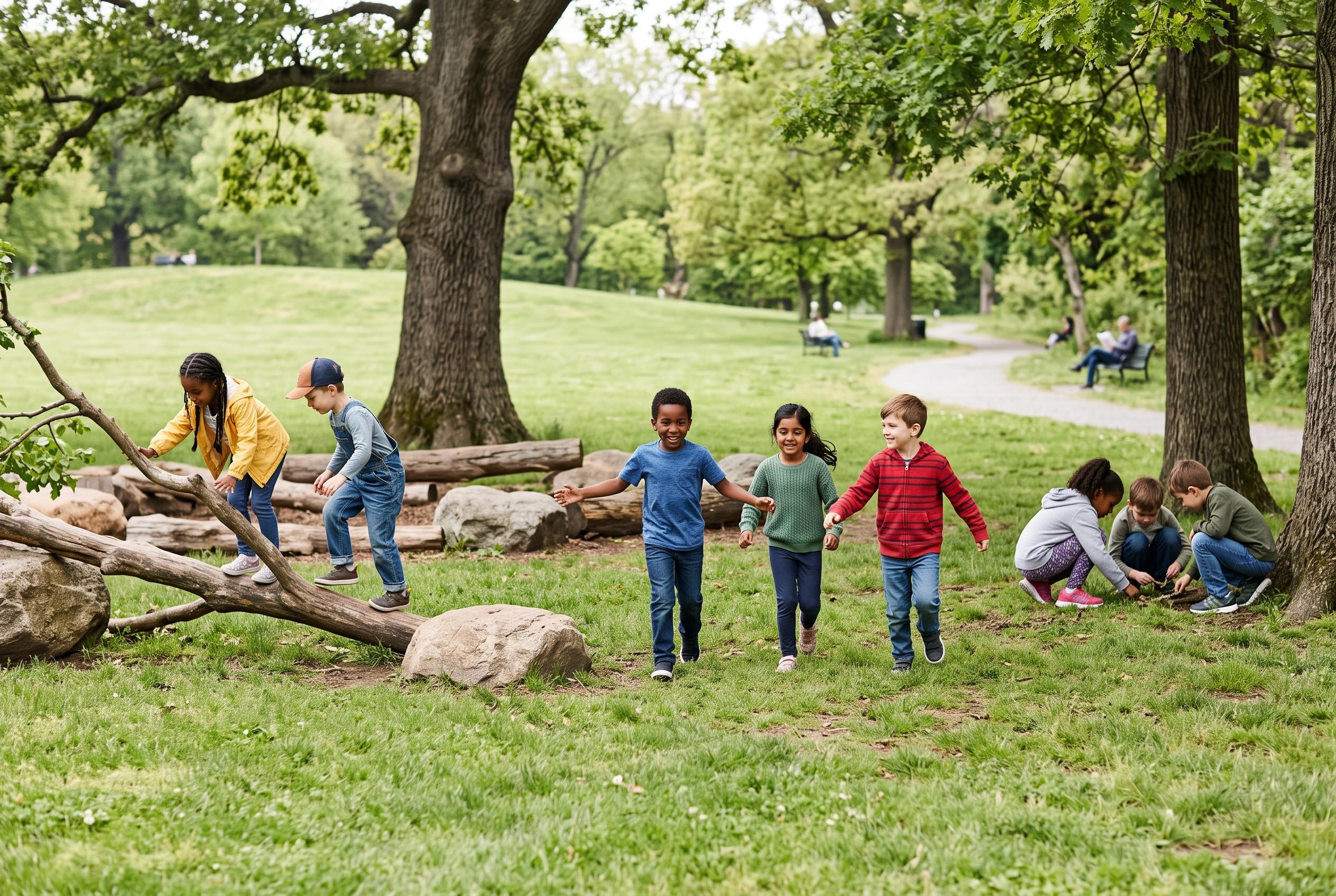

Experts warn that overloading children’s schedules with clubs and online classes can hinder wellbeing; focusing on ample free time and unstructured activities fosters healthier growth and motivation.
By late August, many parents are back at the same familiar task: turning the school year into a carefully packed timetable of lessons, clubs and training sessions. The intention is usually sensible enough, but the result can be a child who has no real breathing room left after school, lunch, the journey home and the trip to each activity. By November, that kind of schedule often starts to unravel, and by the new year the enthusiasm has usually worn thin.
The first mistake, experts say, is building the week around clubs rather than around the child. The better starting point is to work out how much time school, homework, sleep, meals, travel and rest already take up, then see what remains. Advice cited in the piece notes that younger pupils may have only 1 to 1.5 hours of genuinely free time on a weekday once the basics are done, while older children have more only if their academic load allows it. A practical check is simple: if there is no room for downtime, the timetable is already too full.
There is no single ideal number of activities for every child. Still, the article suggests that first-year pupils should have at least two free weekdays, with one familiar activity often enough to begin with. For children in Years 2 to 5, two or three outside commitments a week can work if they are spread across different days. Teenagers are a different case, because their own motivation matters more: a young person who genuinely wants to dance, play sport or make music can often sustain a busier week than a child being pushed into it. Anna Fedoseeva, a child psychologist and senior researcher at the Institute of Correctional Pedagogy, says children also need plain unstructured time to rest, imagine and play.
Fedoseeva also warns parents against choosing activities for themselves rather than for their children. A child may enjoy robotics if they already spend time building and inventing on their own, but if interest is unclear, the task is to find a teacher who can draw the child into the experience before any verdict is made. The article argues that trial and error is normal in primary school, but constant switching is not helpful. A new club should be given at least three or four months so that the first rush of novelty passes and the child can decide whether the activity still feels worthwhile.
Online learning needs the same discipline. It may look easier because there is no journey, but it still takes concentration, screen time and energy after a full school day. The piece recommends treating online classes as real workload and fixing them at a specific time rather than letting them drift into an already crowded evening. It then points to several providers as examples of different formats, from small-group language and coding lessons to digital creativity, project-based programming and full online secondary and college-level programmes.
The most useful timetable, the article suggests, is the one that still works in May: a child who remains interested, sleeps properly, does not collapse over homework and occasionally feels bored because there is space in the week. That boredom is not a flaw. It is often the sign that a child has enough room to recover, think and simply be a child.
Disclaimer: This content is for informational purposes only and is not intended to be a substitute for professional medical judgment, advice, diagnosis, or treatment.