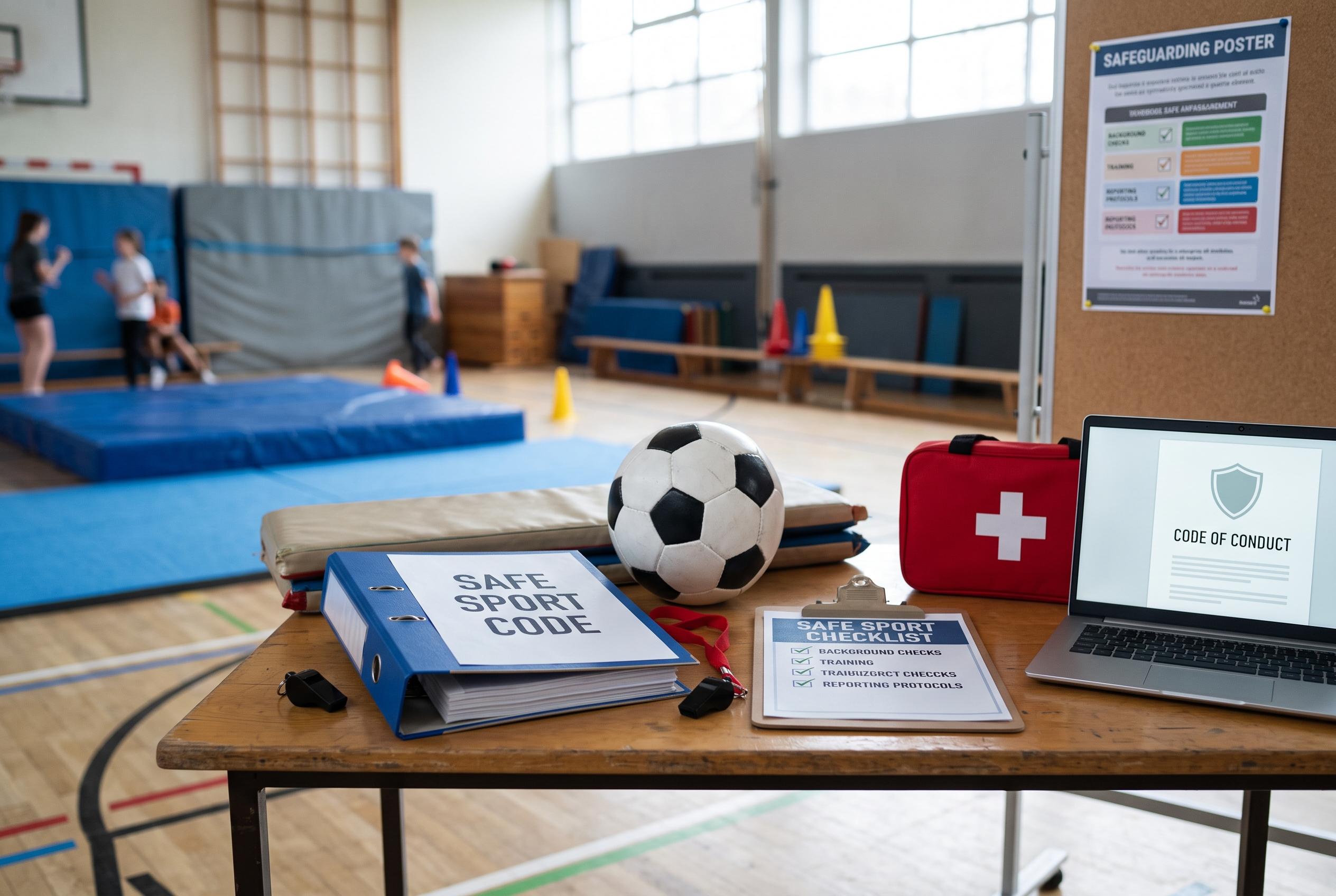

Austria is on track to establish a national Safe Sport code later this year amid new findings revealing widespread abuse in sport, particularly among youth and elite athletes, prompting calls for urgent protective measures.
Austria is moving towards a national Safe Sport code intended to curb abuse in sport, with the document expected to be completed this year. Sport state secretary Michaela Schmidt said the plan is urgent, pointing to newly available findings from the European CASES study, which surveyed 1,472 young adults in Austria aged 18 to 30 and found that abuse in sport is far more widespread than many assume.
According to the data cited by Schmidt, 61% of respondents involved in organised sport reported psychological violence. About a third said they had experienced physical violence, neglect or sexual violence without contact, while 16% said they had been subjected to sexual violence involving physical contact. Schmidt said abuse in sport is not a marginal issue and can take many forms, with perpetrators ranging from coaches and supervisors to peers and older athletes.
The risk appears to rise sharply in elite competition. The Austrian figures show that 86% of those who had taken part in international events reported interpersonal violence, compared with 68% among recreational athletes. The risk is also described as especially severe for children and young people with disabilities, who were found to face sexual violence with contact more often, while international research suggests girls with disabilities are about twice as likely to suffer sexual violence as girls without disabilities.
Work on the code has been under way since June with Sport Austria, the umbrella group for organised sport, and 100% Sport, an expert organisation focused on prevention and safeguarding. The code is meant to set common standards for prevention, reporting, follow-up and protection across Austrian sport. Its arrival would come amid broader European concern about weak safeguards: an EU study has said reliable data on gender-based violence in sport remain scarce and noted that fewer than half of member states have explicit policies, while academic research has pointed to organisational tolerance, power imbalances and isolation as factors that can enable abuse.
Disclaimer: This content is for informational purposes only and is not intended to be a substitute for professional medical judgment, advice, diagnosis, or treatment.