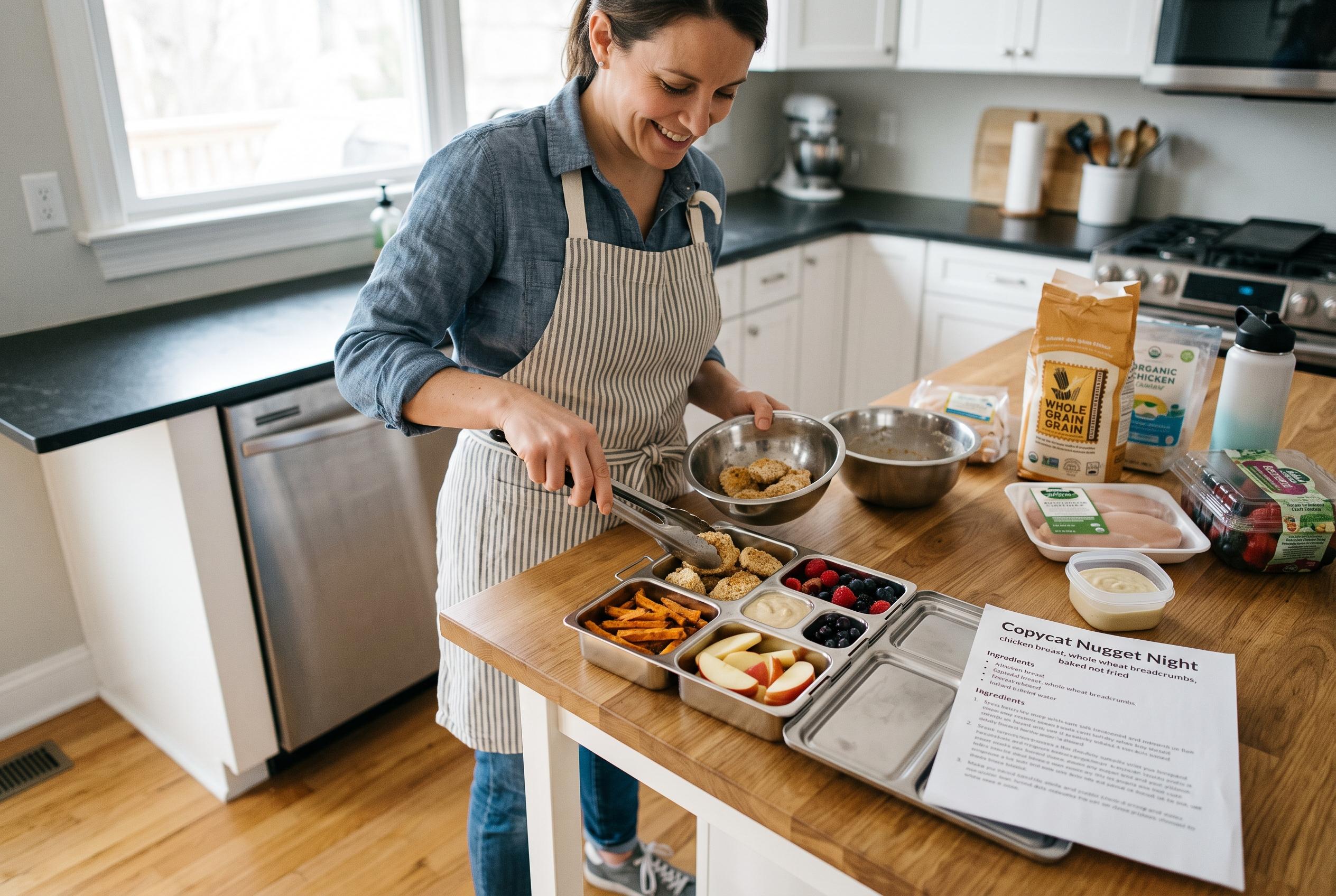

Families explore creative and budget-friendly ways to replicate fast-food staples at home, balancing convenience with healthier, more controlled ingredients in school lunches.
Packing school lunches five days a week can quickly become routine, especially when the same sandwich starts to feel like a chore. That is why copycat lunchbox meals have become such a practical fix for families: they borrow the flavours children already recognise from chains and packaged snacks, then turn them into something cheaper, fresher and easier to control at home. The appeal is not precision so much as familiarity, whether that means a DIY Lunchables tray, mini burrito bowl or a thermos of mac and cheese.
Among the easiest favourites to recreate are fast-food nuggets, particularly the Chick-fil-A version. Recipe Boy, Delish and several other recipe writers all point to a pickle juice or pickle brine marinade as the trick that helps the chicken stay juicy while adding the signature tang. A lightly sweetened seasoned coating then gives the nuggets their crisp finish, making them close enough to the original that they can be packed hot, reheated or eaten at room temperature without much compromise.
That same logic works across the rest of the copycat lunchbox trend. Orange chicken, personal pan pizza, Crunchwrap-style wraps and thermos chilli all translate well to a packed meal because they rely on components that can be held separately until lunchtime. Keeping sauces, toppings and bread items apart is often the difference between a lunch that still tastes fresh and one that arrives soggy and limp. It also gives parents more control over salt, sugar and portion size than the restaurant versions usually allow.
The strongest ideas are the ones that balance convenience with texture. Egg bites reheat cleanly, sandwich kits avoid the damp-bread problem, and mini corn dogs or popcorn chicken can be made in batches and frozen for later. Even richer options, such as restaurant-style pizza or loaded fries, become more practical when they are made in smaller portions and packed in insulated containers. The result is lunch that feels playful without requiring a drive-through stop or a special shopping trip.
Taken together, these ideas reflect a broader shift in home cooking: families are less interested in exact replicas than in affordable stand-ins that fit into busy school routines. Copycat lunches let parents reuse familiar brand cues while working with ordinary groceries and weekend batch prep. Done well, they can keep school lunches from becoming repetitive while making weekday mornings a little easier to manage.
Disclaimer: This content is for informational purposes only and is not intended to be a substitute for professional medical judgment, advice, diagnosis, or treatment.