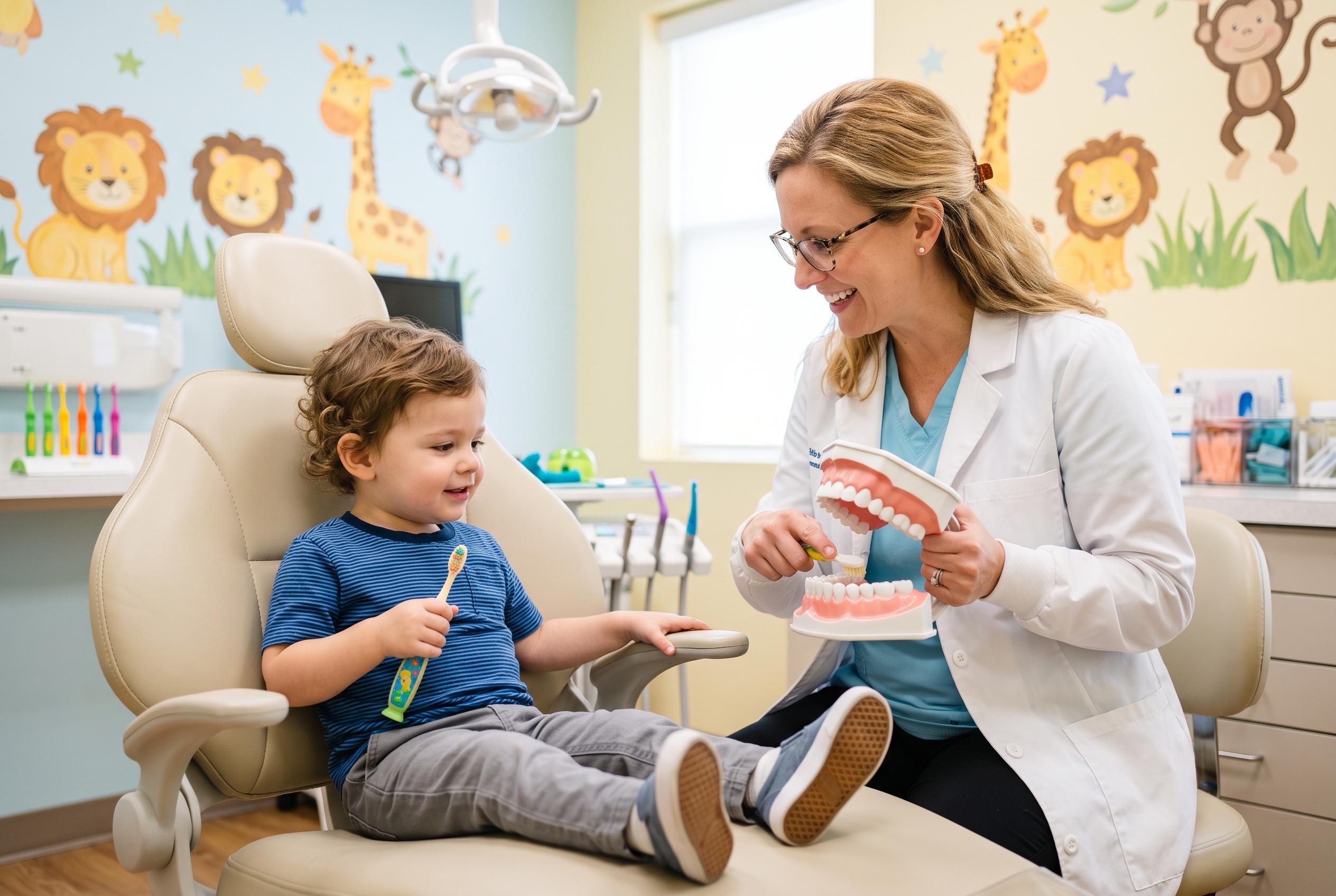

Experts emphasise the importance of scheduling a child’s first dental appointment by age one to establish healthy habits and prevent future dental issues, with gentle, early visits helping children see dentistry as a normal, stress-free part of life.
A child’s first trip to the dentist can influence how they feel about oral care for years. That is why many paediatric dentists and health specialists say parents should not wait for a problem to appear before booking an appointment. The American Academy of Paediatric Dentistry advises that children should be seen by the time they turn 1, or within 6 months of the first tooth coming through, a timeline echoed by Cleveland Clinic, Ohio State Health & Discovery and several paediatric dental practices.
The early visit is about prevention as much as examination. According to the Cleveland Clinic and specialist dental guides, a paediatric dentist will usually check the teeth, gums, jaw and bite, look for early decay and talk parents through brushing, fluoride, feeding habits and cavity risk. The aim is to spot issues before they become harder to treat and to give families practical advice while a child’s mouth is still developing.
That first appointment is often short and gentle. Dental specialists say it is designed to build familiarity, not to overwhelm a young child with treatment. In many cases, the dentist will simply observe how the teeth are emerging, assess oral health and explain what to expect next. A calm early visit can help children see dentistry as a normal part of life rather than something to fear.
Preparation at home matters too. Experts recommend keeping language upbeat and simple, avoiding words that may sound alarming to a child and focusing on what the dentist will do to help keep teeth strong. Parents are also advised to establish daily habits early, including brushing twice a day, limiting sugary snacks and drinks and making oral care part of the routine before the first appointment.
Paediatric dentists differ from general dentists mainly in training and environment. They receive specialist education in child dental development and behaviour management, and their practices are often set up to be more welcoming to infants, toddlers and young children. For families dealing with early cavities, tooth alignment concerns or dental anxiety, that child-focused approach can make a meaningful difference. The broader message from paediatric care providers is consistent: the earlier children begin regular dental visits, the more likely they are to build healthy habits that last into adulthood.
Disclaimer: This content is for informational purposes only and is not intended to be a substitute for professional medical judgment, advice, diagnosis, or treatment.