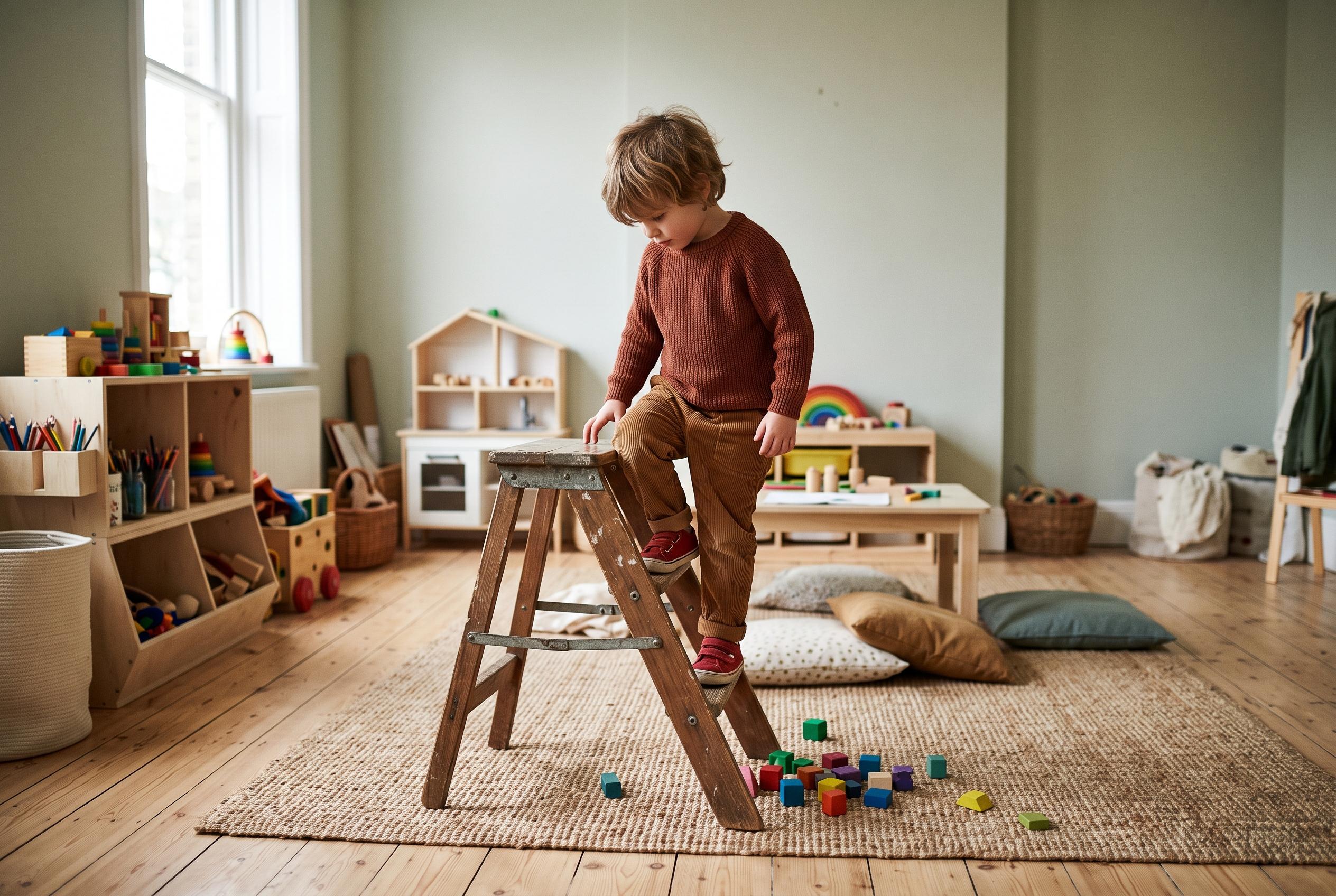

Emerging child-development advice urges parents to resist over-indulgence and overly strict parenting, emphasising the importance of setting boundaries and allowing children to experience small failures as a path to developing resilience and independence.
Parents who want their children to thrive may need to resist the instinct to smooth every rough edge, according to child-development advice gathered from paediatric and parenting sources. The idea is not coldness for its own sake, but a firmer kind of care: setting limits, allowing small disappointments and making room for children to learn how to cope when life does not go their way.
One of the most important lessons is that children do not benefit when every wish is met. Guidance from Children’s Health suggests that when young people get whatever they ask for, they can come to expect instant gratification and struggle later with frustration, patience and self-control. Saying no, and explaining why, can help children understand that desire is not the same as entitlement. UNICEF Asia Pacific similarly argues that children do best when warmth is paired with clear boundaries, rather than when parenting swings towards indulgence or rigid control.
A second lesson is to let children live with the consequences of their mistakes. Children’s Health says parents should not always step in to fix every problem, because doing so can prevent children from learning responsibility. If a child forgets homework or mishandles a possession, the better response is often to let that child face an age-appropriate outcome and then work through what comes next. Parenting groups and psychologists argue that this kind of guided discomfort helps build resilience, decision-making and a healthier understanding that actions carry consequences.
The same principle applies to everyday tasks. Children’s Health and other parenting guides note that chores and age-appropriate independence matter because they teach self-reliance, discipline and confidence. When parents routinely tidy, organise and solve everything for their children, they may be helping in the short term while limiting growth in the long term. The stronger approach is to guide where necessary, then step back enough for children to practise doing things on their own. In that sense, the hardest part of parenting can also be the kindest: allowing children to struggle a little, fail safely and gradually become capable adults.
Disclaimer: This content is for informational purposes only and is not intended to be a substitute for professional medical judgment, advice, diagnosis, or treatment.