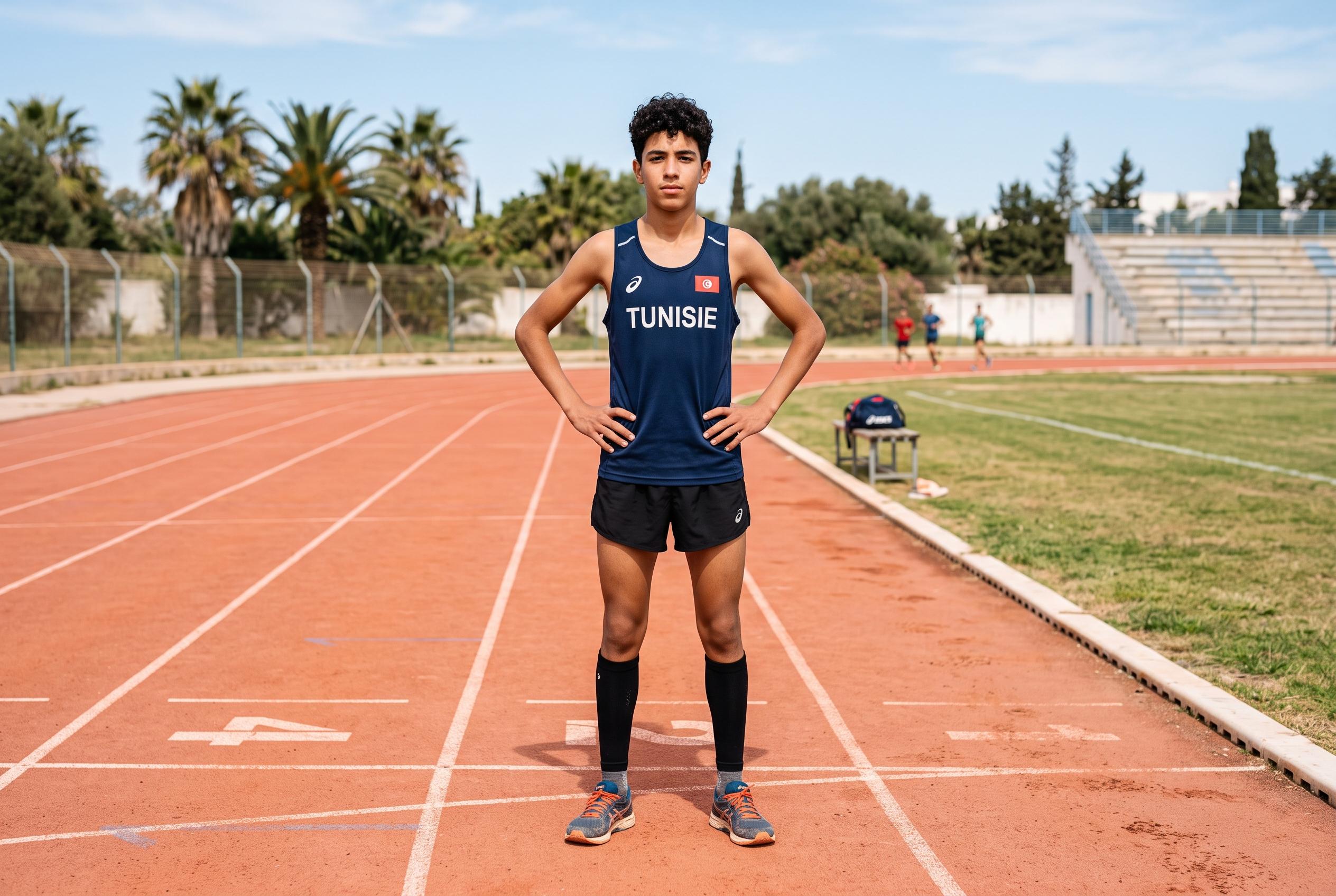

Research indicates that self-confidence and self-esteem are central to how adolescent athletes respond to pre-race anxiety, with gender differences influencing coping methods among young Tunisian long-distance runners.
A study in Frontiers in Psychology suggests that self-confidence and self-esteem play a central role in how young Tunisian middle- and long-distance runners respond to pre-race stress, while anxiety tends to push them towards less adaptive coping. The research, based on 156 athletes aged 18 and 19, found moderate levels of cognitive and somatic anxiety but comparatively stronger self-confidence before competition.
The paper also found clear gender differences. Female runners reported higher cognitive anxiety and lower self-confidence and self-esteem than male runners, while male athletes were more likely to use coping strategies linked to effort, analysis and other task-focused responses. Mental imagery was the most commonly used coping method across the sample, while social withdrawal was the least common.
According to the study, anxiety was strongly linked to maladaptive coping, including disengagement and distraction, and negatively associated with adaptive strategies such as logical analysis, mental imagery and thought control. By contrast, self-confidence and self-esteem showed the opposite pattern, with higher scores tied to more task-oriented coping and less avoidance. Self-esteem alone was a significant predictor of all three broad coping styles measured in the study.
The authors said the findings support the idea that psychological resources shape how athletes handle competitive pressure, especially in adolescence, when coping habits are still developing. They also cautioned that cognitive and somatic anxiety were so closely related that standard regression coefficients were unstable, meaning the unique effect of each form of anxiety could not be cleanly separated. Still, the overall pattern points to a practical message for coaches and sport psychologists: building confidence and self-worth may help young runners cope better under race-day stress.
Disclaimer: This content is for informational purposes only and is not intended to be a substitute for professional medical judgment, advice, diagnosis, or treatment.