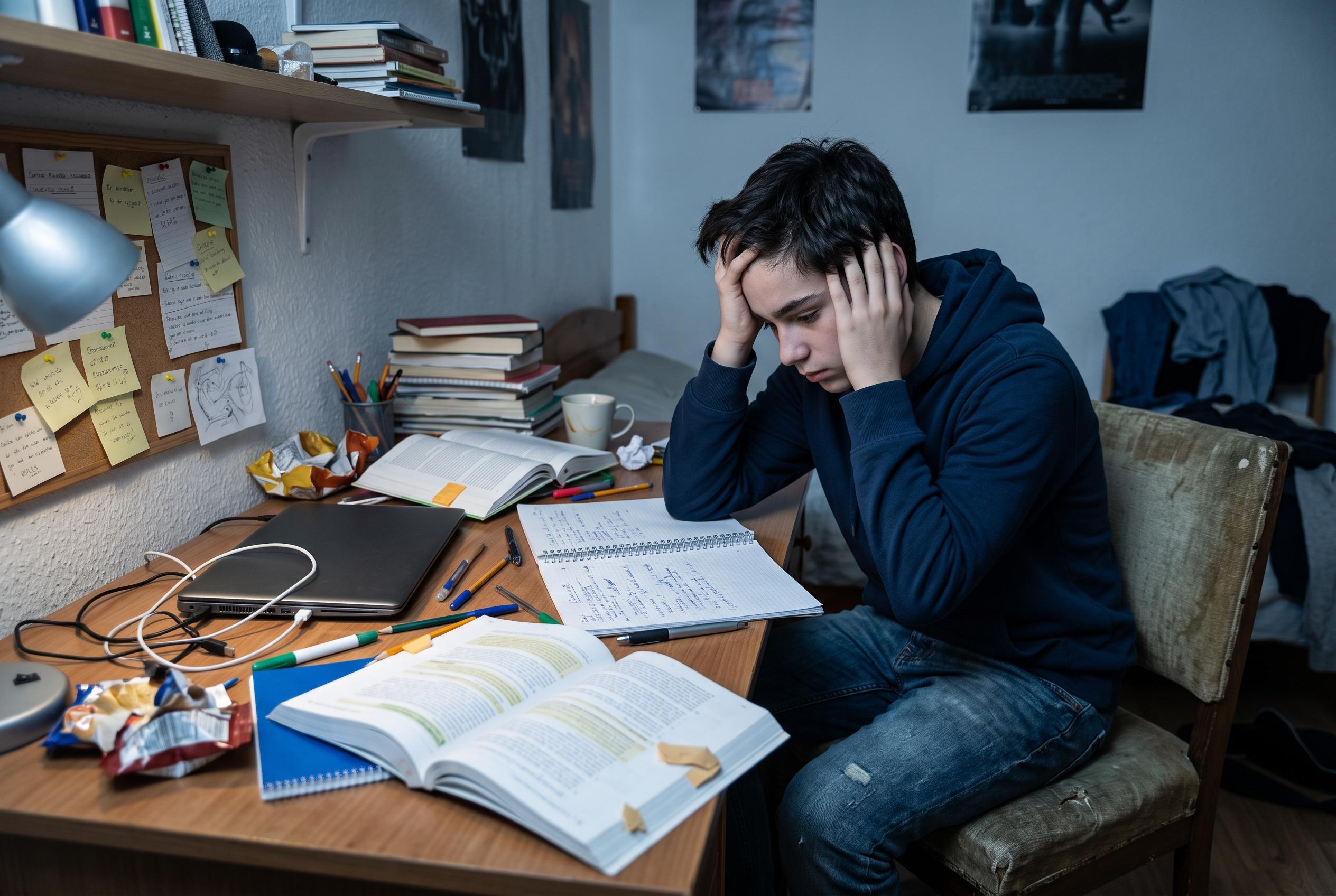

Growing awareness of ADHD burnout reveals its impact on children, teenagers, and young adults, emphasising the need for realistic support, self-compassion, and preventative strategies to minimise long-term mental, emotional, and physical depletion.
ADHD burnout is increasingly recognised as a real strain on children, teenagers and young adults who spend much of their energy trying to meet everyday demands that feel effortless to others. Rather than simple tiredness or poor attitude, it is a deeper state of mental, emotional and physical depletion that can build after years of compensating for executive function difficulties, according to Psychology Today and supporting explainers from Healthline and Simply Psychology.
The condition often develops in settings that reward sustained attention, organisation, time management, emotional control and flexibility, precisely the areas most affected by ADHD. That mismatch can make ordinary routines feel relentless: keeping up with homework, moving between lessons, managing feelings, remembering deadlines and handling social cues can all require constant effort. Over time, repeated correction and criticism can wear down confidence and leave young people feeling as though they are always falling short.
The signs are not always obvious. WebMD and Healthline describe burnout in adults and younger people as a mix of exhaustion, irritability, low motivation and trouble starting tasks, while Psychology Today notes that children and teens may appear withdrawn, reactive or unusually quiet. What can look like laziness or defiance may instead be a shut-down response to overload, especially after school, during transitions or after extended periods of masking difficulties to fit in.
Health and psychology experts say the first step is to recalibrate expectations around capacity rather than chronological age alone. The Psychology Today article argues that parents should assess how much support a child needs to get through the day and whether the current workload is realistic, while WebMD also stresses the importance of recognising limits and seeking help when symptoms are getting in the way of daily life. The point is not to lower standards, but to make them workable and to match them with appropriate support.
Recovery and prevention depend on reducing strain before pushing for performance. That means stable sleep, enough movement, regular meals, hydration and a calmer response from adults, along with strategies that reduce shame and build self-understanding. Healthline and Simply Psychology both emphasise self-compassion, realistic goals and professional support, while Psychology Today highlights the value of validation and connection. The broader lesson is that young people with ADHD often are not refusing to try; many are already trying too hard for too long.
Disclaimer: This content is for informational purposes only and is not intended to be a substitute for professional medical judgment, advice, diagnosis, or treatment.