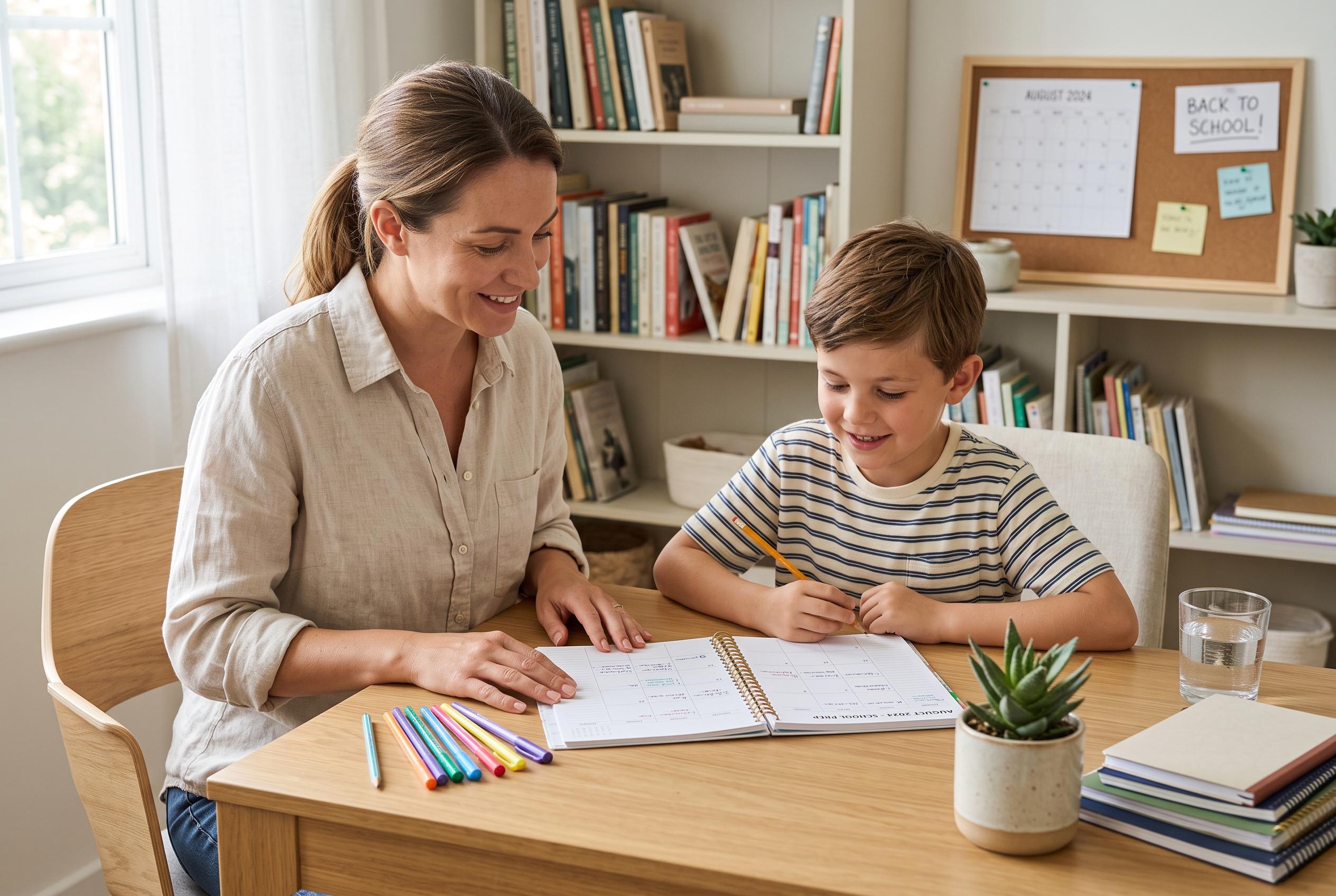

As the new school year begins, parents are experiencing a surge in stress and anxiety, prompting experts to recommend simple routines, self-care strategies, and therapy options to better manage emotional load and create calmer household dynamics.
Back-to-school season can unsettle parents as much as children. As routines tighten and responsibilities multiply, many adults find themselves dealing with poor sleep, racing thoughts, irritability and a familiar sense of dread that builds before term begins. Mental health specialists quoted in the source material say this reaction is common and usually reflects the real emotional and logistical load that comes with the school year, not personal failure.
The pressure often starts before the first bell rings. Parents may be juggling forms, transport, packed lunches, homework schedules, teacher communication and worries about whether a child will cope socially or academically. Johns Hopkins Medicine and Texas Health both note that gradual preparation, including bedtimes, routines and school visits, can ease anxiety for children, but those same steps can also help adults feel less overwhelmed by uncertainty.
For parents of children with anxiety, ADHD, social difficulties, school refusal or special needs, the strain can be sharper. The lead source says transitions can amplify existing anxiety rather than create something entirely new, while Child Mind Institute and the University of Rochester Medical Centre both stress that children often mirror the emotional tone of the adults around them. That means a parent’s tension can shape the household even when no one says so out loud.
The signs in adults are easy to dismiss as ordinary stress. Trouble sleeping, early-morning worry, constant checking of emails or school portals, physical tightness, headaches and a shorter temper can all point to anxiety. Some parents do not appear visibly distressed at all; instead, they become hyper-organised, overprepared and unable to switch off. The article from the lead source describes that pattern as overfunctioning, where efficiency masks fear.
Health systems quoted in the related summaries recommend simple, repeatable habits rather than dramatic fixes. Predictable mornings, steadier bedtimes, planned meals and a calm evening rhythm can lower tension for the whole family. Johns Hopkins Medicine also suggests preparing in advance for clothes, drop-off routines and familiar peers, while Texas Health recommends breathing, journalling and mindfulness as practical coping tools for anxious parents.
Experts also advise parents to create structure for themselves, not just for their children. That can mean setting one time to review the school calendar, choosing a single place for communications or building a weekly reset into Sunday evenings. The point is to reduce the mental clutter that keeps anxiety active. Massachusetts General Brigham and the University of Rochester both emphasise that children benefit when adults project calm and confidence, even if that calm is only partial or temporary.
Therapy may be useful when the anxiety does not settle after the transition or begins to affect sleep, relationships or daily functioning. The lead source says cognitive behavioural therapy, mindfulness-based support and family work can help parents understand the pattern more clearly and respond with less reactivity. For some families, the back-to-school stretch is a short burst of tension; for others, it reveals a broader anxiety cycle that needs more support.
Disclaimer: This content is for informational purposes only and is not intended to be a substitute for professional medical judgment, advice, diagnosis, or treatment.