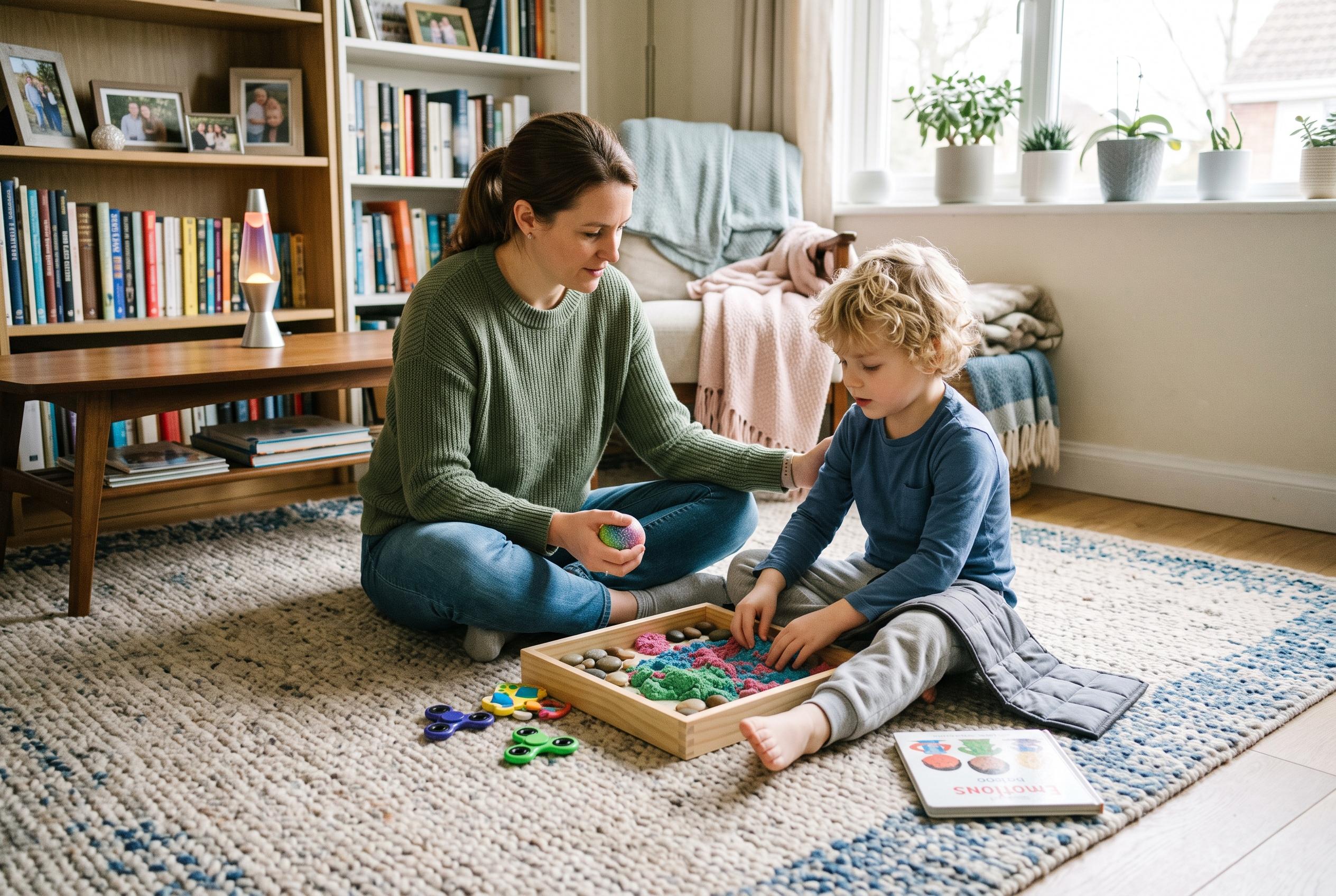

Children, especially those with ADHD or autism, often ‘unravel’ at home after a day filled with social and emotional demands. Experts suggest practical strategies for parents to support their children through this challenging transition, emphasising decompression and emotional regulation.
The tears, shouting or door-slamming that greet parents at the end of the school day may not signal a bad day at all. The pattern is often linked to “after-school restraint collapse”, a term coined by counsellor and parenting educator Andrea Loewen Nair to describe children who spend hours holding themselves together at school and then unravel once they get home. Understood says the phenomenon is especially common in children with ADHD, autism or both, though it can affect any child who is carrying more emotional load than they can manage.
The basic idea is simple: school demands a great deal more than lessons. Children are expected to manage noise, transitions, social pressure and constant self-control, often while also coping with language difficulties, slow processing speed or learning disabilities. By the time they return to the place where they feel safest, they may have nothing left in reserve. That can also explain why the same pattern sometimes appears in teenagers, adults and even very young children once they get home from daycare or preschool.
The behaviour can take several forms. Parents may see crying, yelling, throwing things, rude comments or a retreat to a bedroom or other quiet space. Experts quoted by Understood and Psychology Today say the first response should be to reduce pressure rather than add more demands. That means giving children time to decompress, meeting basic needs first with food, water and calm, and avoiding a rapid-fire debrief about school the moment they walk through the door. Some guidance also recommends movement, sensory offload and a quiet buffer before homework or chores begin.
Practical support can make a difference, even if restraint collapse cannot always be prevented. Understood recommends physical soothing, such as a hug, blanket wrap or back rub, plus a predictable after-school snack and a low-stimulation environment. If a child lashes out, staying calm and turning away from the outburst can avoid escalating the situation, while a later conversation can help identify triggers and better coping strategies. When the pattern is frequent, parents are advised to involve teachers and health care providers so school pressures and possible medical factors can be assessed together.
Disclaimer: This content is for informational purposes only and is not intended to be a substitute for professional medical judgment, advice, diagnosis, or treatment.