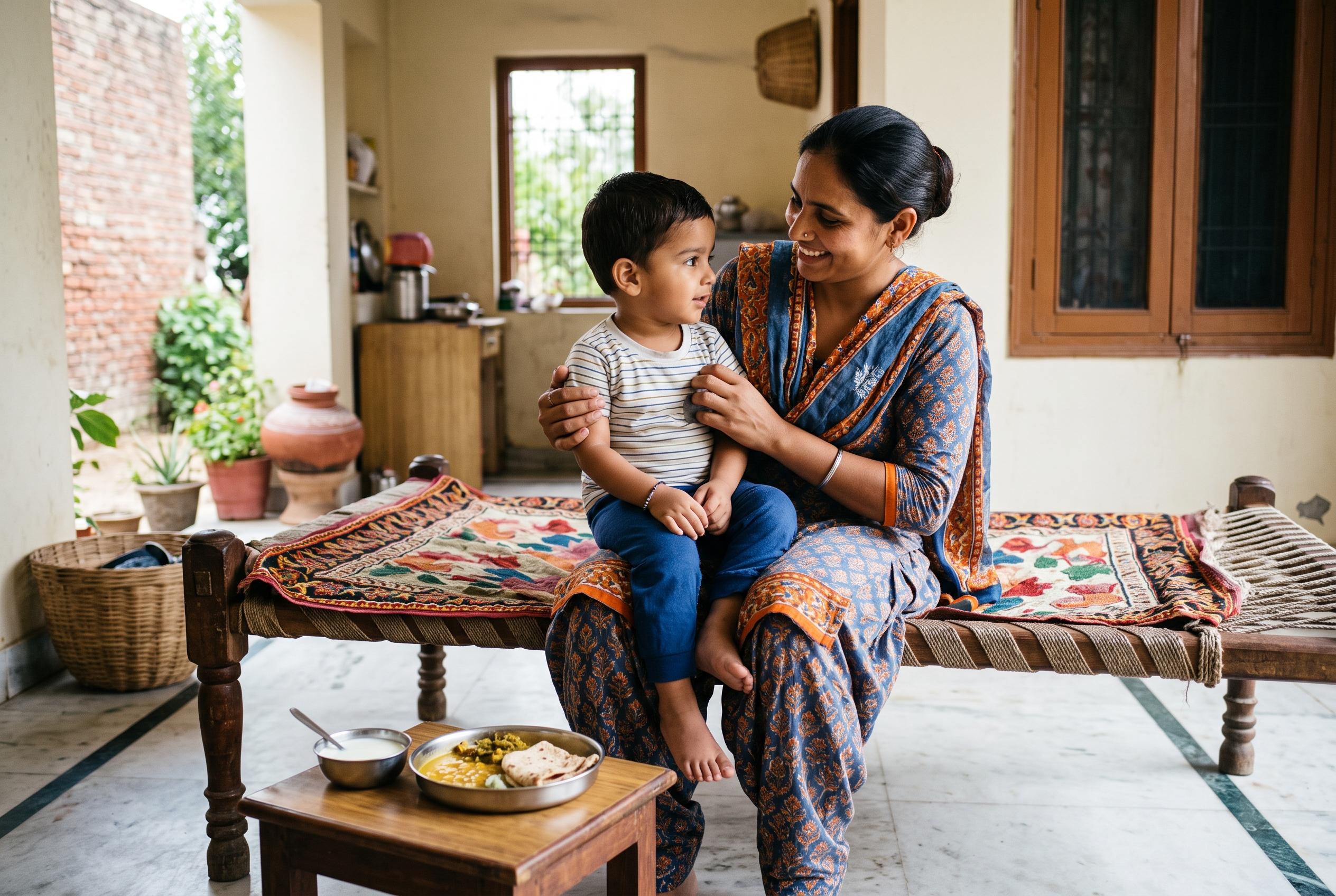

While Punjab has seen notable declines in child stunting and wasting, officials and aid workers warn that progress remains fragile. Experts emphasise the need for strengthened support across families, health services, and policy enforcement to sustain gains in maternal and child nutrition.
Punjab has made measurable progress in tackling child malnutrition, but provincial officials and aid workers say the gains remain fragile. New figures presented at a seminar in Lahore showed stunting among children falling from 36% in 2018 to 27%, while wasting eased from 15% to 10%. Even so, the data still point to a serious public health burden, with more than one in four children affected by stunting. UNICEF’s wider analysis of child nutrition in Pakistan has long shown that the country’s rates remain well above global averages, underlining the scale of the challenge.
The seminar, held by UNICEF Pakistan with Punjab health authorities to mark World Breastfeeding Week, placed infant feeding and maternal nutrition at the centre of the discussion. Provincial officials said about 52% of mothers in Punjab breastfeed until a child reaches 2 years of age, and credited the improvement to sustained efforts to strengthen maternal and child health services and address nutritional deficiencies. Yet the same figures also showed that progress has not been enough to eliminate the risks that continue to affect a large share of families.
Primary and Secondary Healthcare Minister Khawaja Imran Nazir said breastfeeding should be treated as an essential part of healthcare, not as a matter of personal preference. He said exclusive breastfeeding for the first 6 months is critical for survival, nutrition, growth and immunity, and should then continue alongside appropriate complementary foods. UNICEF’s broader guidance on child nutrition says stunting reflects chronic undernutrition, while wasting indicates acute undernutrition, both of which can have lasting consequences for development.
The provincial government says it has expanded services to respond to the problem. Officials say more than 2,500 Basic Health Units have been upgraded, 29 kangaroo mother care centres have been set up for vulnerable newborns and about 3,000 outpatient therapeutic programme sites and 60 nutritional rehabilitation centres are now operating across Punjab. The government also says 911 Clinics on Wheels have reached communities since 2024 and screened about 2.6 million children. UNICEF’s Punjab analysis from previous years had already pointed to persistently high levels of stunting and wasting, together with the need for better maternal nutrition, education, clean water and sanitation.
UNICEF Lahore Field Office Chief Ramiz Behbudov said mothers need stronger support at home, in health facilities and at work so children can get the best possible start in life. Senior provincial health officials called for tighter coordination between departments, more sustainable funding and broader action beyond the health sector. Participants also urged stronger enforcement of the Protection of Breastfeeding and Child Nutrition Act and better implementation of the Baby-Friendly Hospital Initiative. The message from the seminar was clear: improving breastfeeding and nutrition cannot rest on mothers alone, but depends on families, employers, teachers, religious leaders, media and the state working together.
Disclaimer: This content is for informational purposes only and is not intended to be a substitute for professional medical judgment, advice, diagnosis, or treatment.