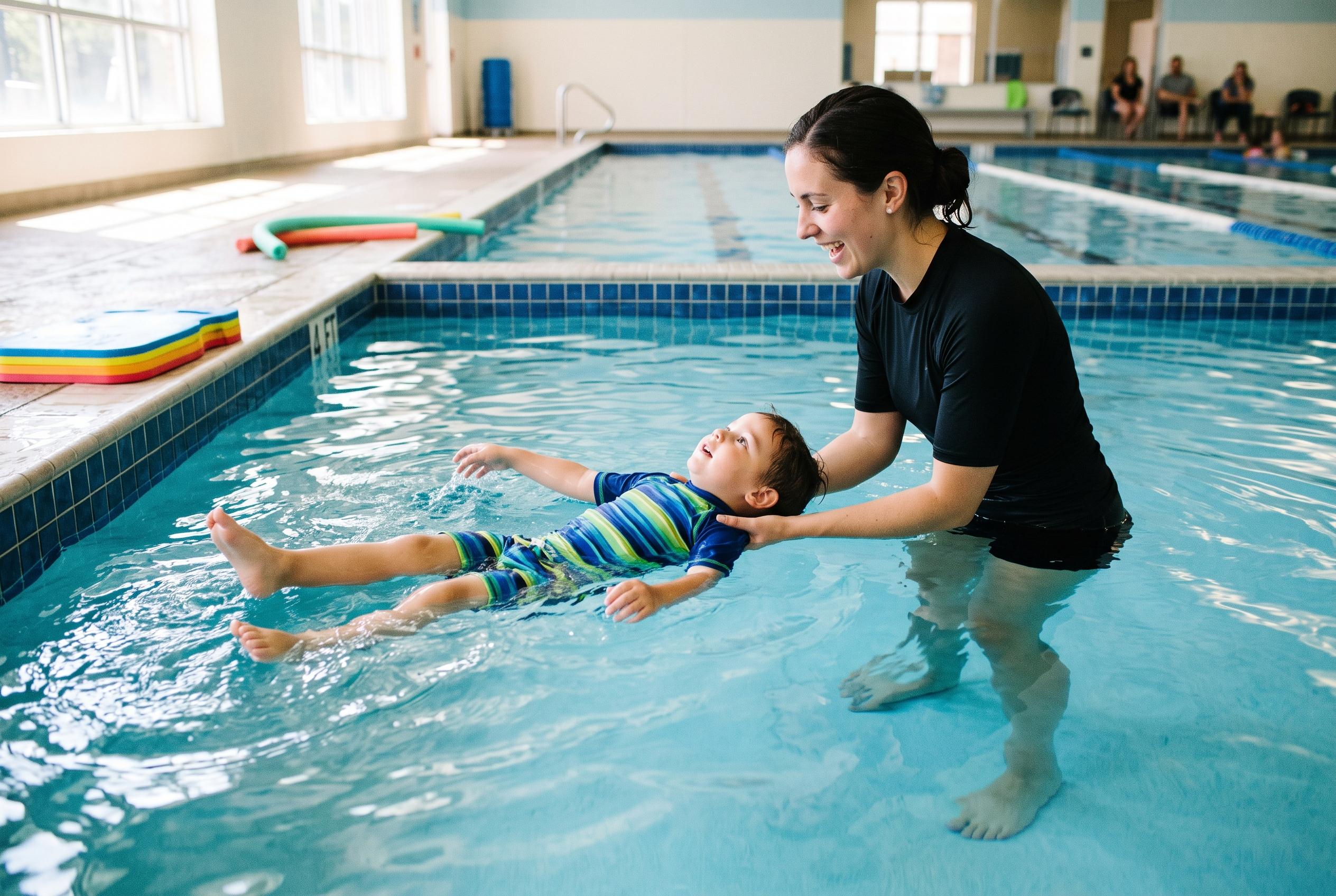

Research indicates that introducing children to swimming at a young age can enhance coordination, attention, and literacy skills, while also providing safety benefits and supporting mental health, according to recent studies and child health experts.
A growing body of evidence suggests that learning to swim at a young age may do more than build confidence around water. It can also help children develop stronger motor control and better concentration, according to a study highlighted by Peru Informa and supported by guidance from child health specialists.
The research, which examined hundreds of young children who began swimming in their earliest years, found that they tended to show better coordination and more sustained attention than children who did not take part in the sport. Healthline also reported on an Australian study from Griffith University that linked early swimming lessons with gains in verbal ability, maths and literacy, pointing to broader developmental benefits beyond the pool.
Experts say that swimming is unusual because it combines movement, breathing control and focus in a single activity. That mix appears to challenge both body and mind, helping children practise balance, rhythm and motor planning while also learning patience and self-regulation. The American Academy of Pediatrics, through its HealthyChildren resource, says swim lessons can support healthy development, exercise and self-confidence, and may be especially useful for children with autism or ADHD, who can see gains in motor skills and symptoms of anxiety and depression.
There is also a clear safety argument. Early water familiarisation can reduce the risk of drowning, while short, regular lessons may be enough to deliver meaningful gains. WaterWise Kids notes that 30-minute sessions are often considered ideal for young children because of attention span, body temperature control and how motor learning is reinforced through repeated practice. Taken together, the evidence suggests that early swimming can be both a protective skill and a practical way to support children’s physical, cognitive and emotional development.
Disclaimer: This content is for informational purposes only and is not intended to be a substitute for professional medical judgment, advice, diagnosis, or treatment.