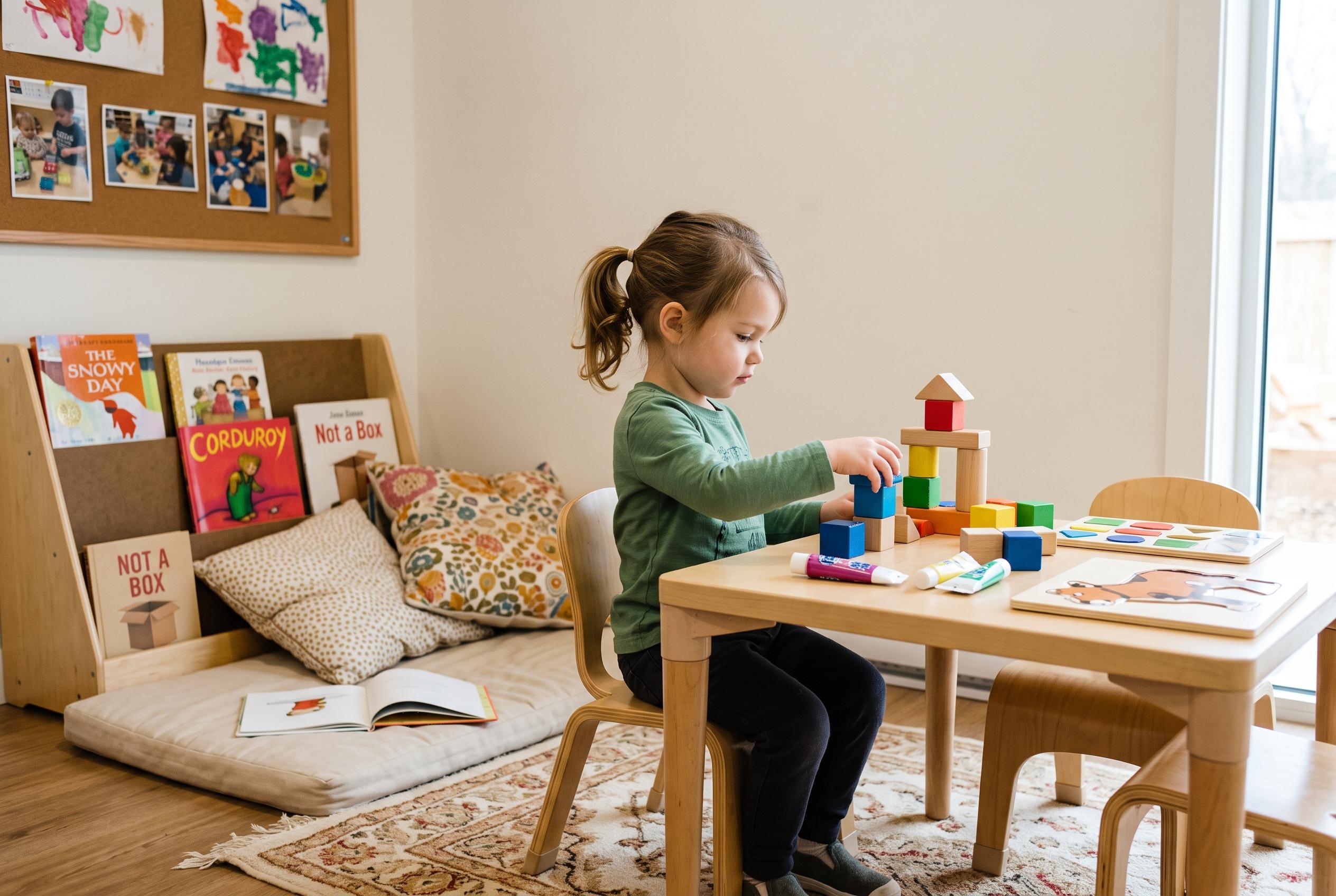

While some children prefer to play alone during recess, experts emphasise that solitary play can foster independence and creativity. Recognising when such behaviour indicates a problem is key for parents and teachers to provide appropriate support.
A child who prefers to spend recess alone is not automatically showing a problem, even if adults around them feel uneasy. In a Washington Post account, a mother described being told that her son was playing by himself on the playground, yet she saw that behaviour as part of his imaginative nature rather than a warning sign. That perspective matters because children do not all recharge, explore or socialise in the same way. Some are happiest in the middle of a crowd, while others are content inventing games on their own.
Research published in Early Child Development and Care supports the idea that the ability to play alone is a meaningful stage in development. The study argues that solo play can help young children practise independence, follow their own interests and build creative and problem-solving skills. In that sense, time spent alone is not necessarily time spent missing out.
Still, solitary play is not always benign. A separate study in the Journal of Research in Childhood Education, based on observations of 153 preschool children during free play, found that solitary-active play was linked with behaviour problems and lower academic achievement. That does not mean every child who plays alone is struggling, but it does suggest adults should look at the wider pattern rather than relying on a single recess scene.
The clearest lesson is that context matters. Occasional lone play may reflect temperament, imagination or a simple need for quiet. Persistent isolation, especially when paired with distress, conflict or difficulties in class, may deserve closer attention. For parents and teachers, the task is not to force every child into the same mould, but to tell the difference between healthy independence and signs that a child may need support.
Disclaimer: This content is for informational purposes only and is not intended to be a substitute for professional medical judgment, advice, diagnosis, or treatment.