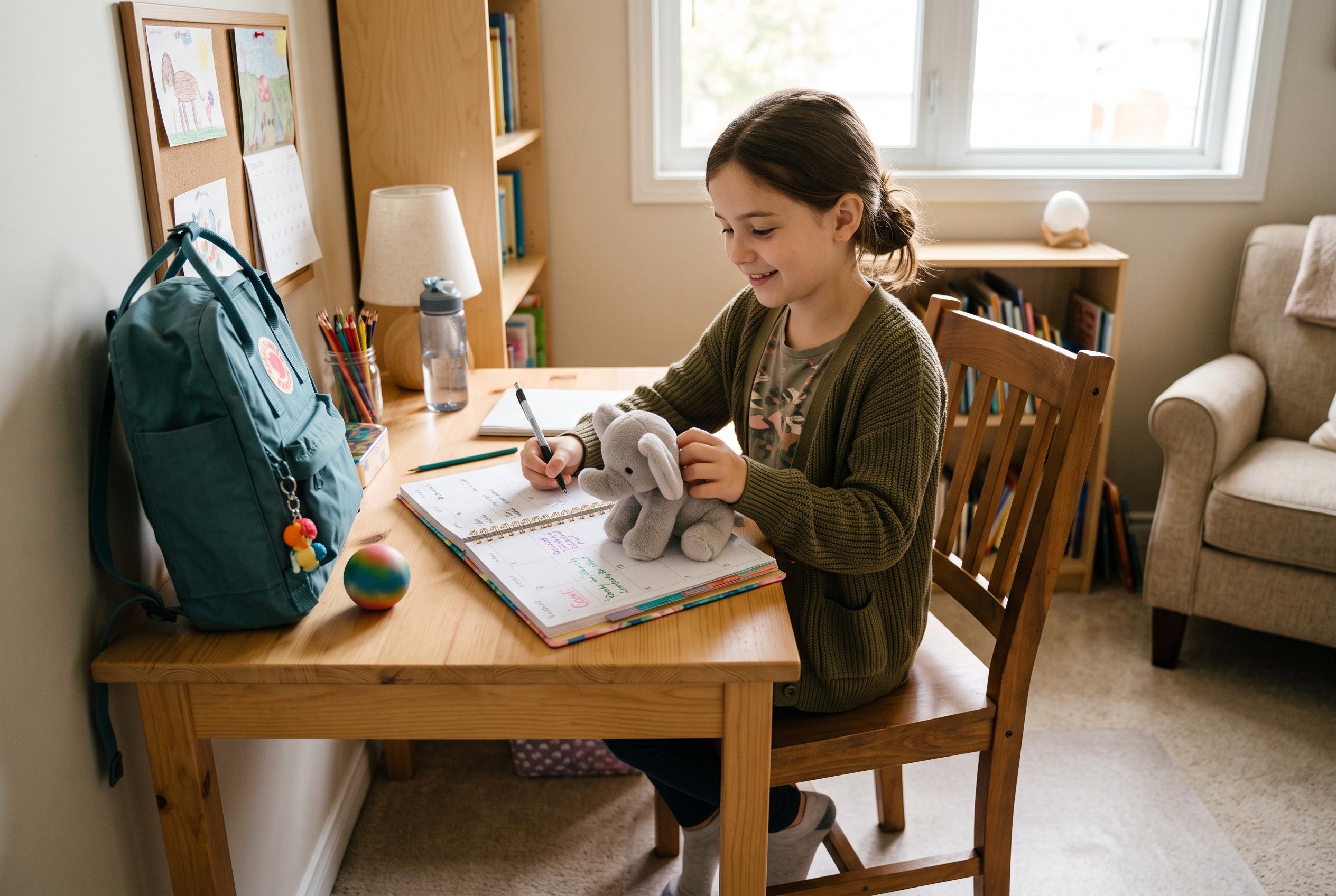

As the new school year begins, many children experience anxiety that can disrupt their routines. Experts highlight practical approaches parents can adopt to ease the transition and support their child’s emotional well-being.
The start of term can feel joyful, with new uniforms, sharpened pencils and the return of familiar routines. But for many families, it also brings a quieter problem: children who suddenly feel uneasy about going back to school.
Parents often notice the signs in their bodies before they hear the words. A child who is otherwise well may complain of a stomach ache before breakfast, struggle to sleep, become tearful at the school gate or seem unusually withdrawn. Harvard Health says that worries about separation, classroom demands and fitting in with peers are among the most common triggers. The Centres for Disease Control and Prevention says anxiety affects about 11% of children aged 3 to 17, underlining how common these feelings can be.
Experts say the transition becomes easier when children know what to expect. The American Psychological Association recommends re-establishing school routines before lessons begin, including earlier bedtimes, regular wake-up times and getting bags and supplies ready in advance. Harvard Health also advises parents to stay calm themselves, since children often take their emotional cues from the adults around them.
What helps most, psychologists say, is a mix of empathy and structure. Rather than dismissing a child’s fears, parents can ask what part of the day feels hardest and work out small, practical steps together. That might mean practising the morning routine, arranging a playdate with a future classmate or talking through how to find help at school. The CDC’s guidance for parents also suggests using coping skills such as slow breathing and keeping teachers informed if a child needs extra support.
Most children settle once the routine becomes familiar. But if anxiety lasts for several weeks, keeps a child from attending school, disrupts sleep or eating, or leads to panic attacks, experts advise speaking to a healthcare provider. Early support can make a real difference, and getting help is part of good care, not a sign that a parent or child has failed.
Disclaimer: This content is for informational purposes only and is not intended to be a substitute for professional medical judgment, advice, diagnosis, or treatment.