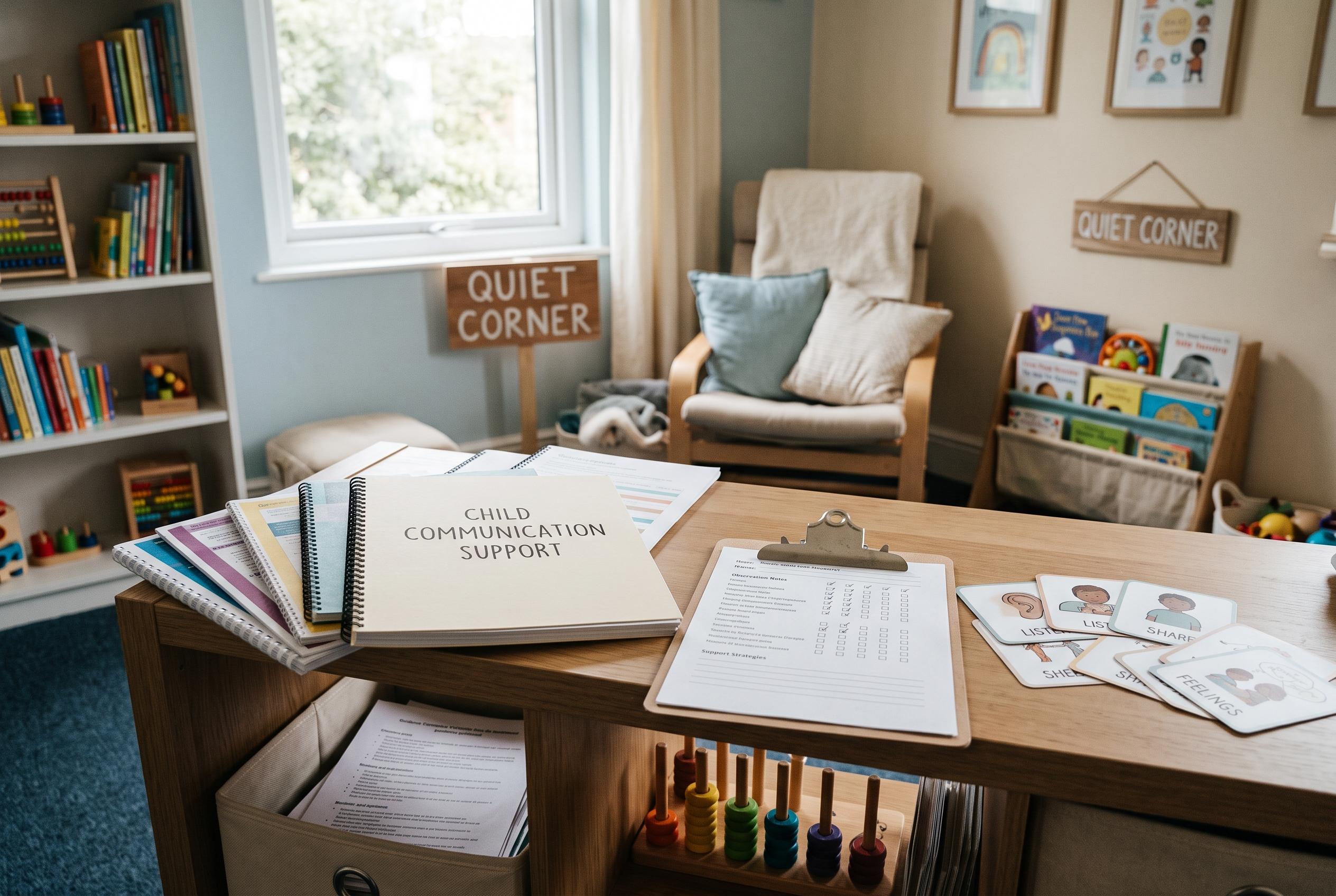

A recent UK survey reveals significant disparities in training and service provision for therapies addressing selective mutism in children, underscoring the urgent need for national guidance and standardised practices.
A new UK survey suggests that while most therapists working with children who have selective mutism are drawing on broadly evidence-based methods, training remains patchy and service provision varies sharply across settings. The study, published in the Journal of Child Psychology and Psychiatry, found that only 59% of respondents had received any selective mutism training, with just 15% saying it formed part of their professional qualification. The authors say that points to a persistent gap between what clinicians are expected to manage and the preparation they actually receive. The Royal College of Speech and Language Therapists offers clinical information on selective mutism, and specialist charities such as SMIRA also provide training courses, but the researchers argue that national cross-profession guidance and clearer quality standards are still needed.
Selective mutism is an anxiety disorder that typically emerges in early childhood and can interfere with speech, learning and social development. The study notes that effective interventions already exist, particularly approaches combining behavioural work with systems-level support around the child. Those methods commonly include graded exposure, rapport-building, psychoeducation and transfer of control, where responsibility gradually shifts from clinician to parent or teacher. The authors say the components reported by therapists in the survey generally matched that evidence base, although the level of training in using them remained inconsistent.
The survey drew 201 eligible responses from 244 entries after data screening. Speech and language therapists made up 81% of the sample, followed by clinical psychologists at 11% and educational psychologists at 5%. Most respondents worked in England, with smaller numbers from Scotland, Wales and Northern Ireland. Just over half had some form of selective mutism training, but 85% said they needed more to do their jobs properly, especially in delivering intervention, managing co-occurring conditions and working in multidisciplinary teams.
Most respondents who had seen children with selective mutism had also provided treatment, usually in schools and usually alongside parents, carers and teaching staff. The typical pattern was indirect or mixed support rather than direct therapy with the child alone. Median treatment length was 45 minutes a session, over six sessions and around 12 weeks, but the dosage varied widely. The authors say that this inconsistency is worrying because some children may receive only advice or signposting rather than structured intervention.
The findings also suggest that service responsibility is often blurred. Several respondents described local pathways that depended on which profession happened to be involved, while others said no clear lead service existed at all. The authors conclude that without better training during qualification, easier access to specialist post-qualification training and formal guidance across professions, children with selective mutism may continue to face a postcode lottery in care. They say the next step should be consistent national standards for training and clinical management so evidence-based support is available more evenly across the UK.
Disclaimer: This content is for informational purposes only and is not intended to be a substitute for professional medical judgment, advice, diagnosis, or treatment.