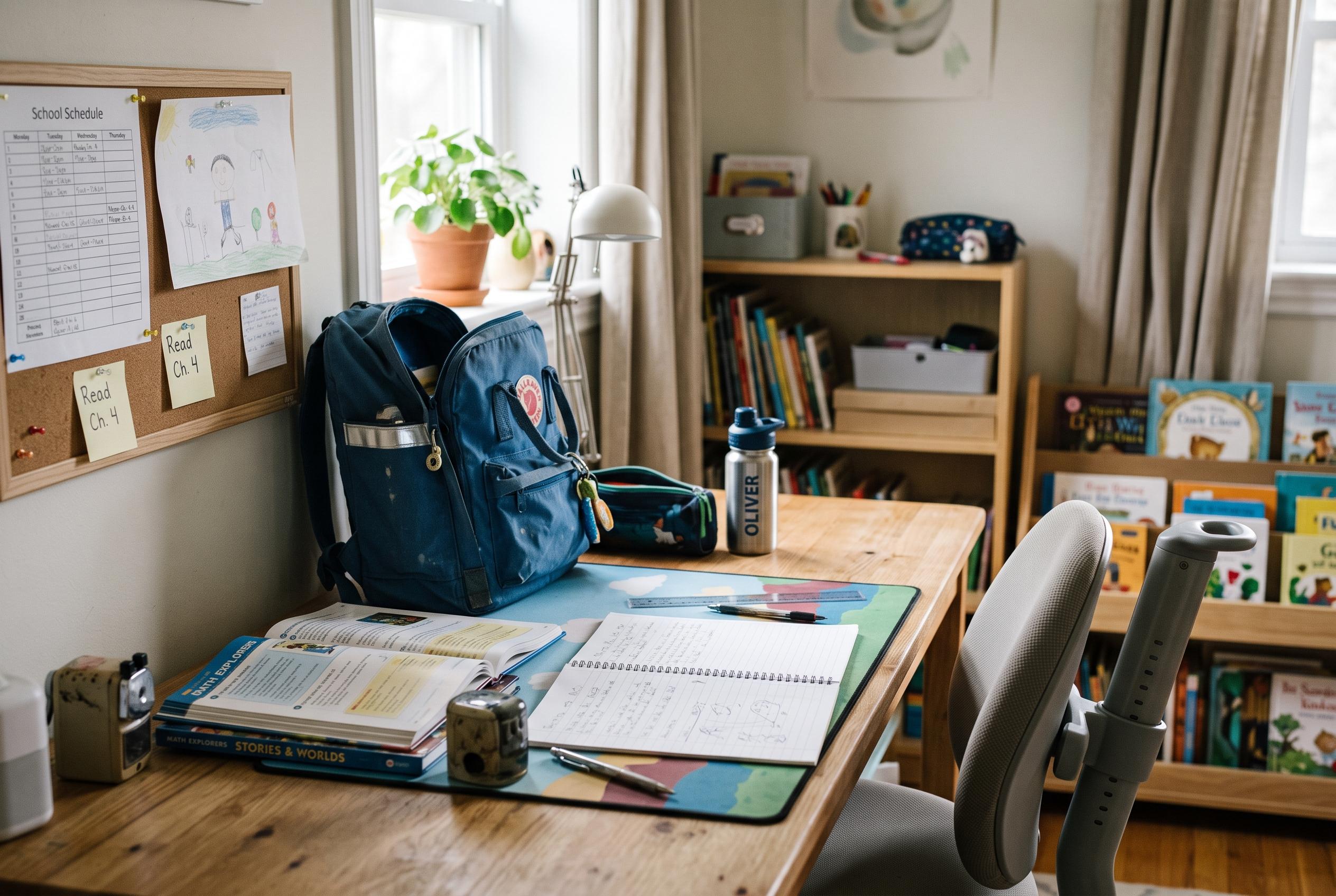

Amid rising stress and burnout among parents, many are now selectively engaging with school activities, prioritising their well-being and challenging traditional norms of constant parental involvement.
For years, the school calendar seemed to dictate family life. There were concerts, fairs, class parties, special days and fundraising events, each carrying the implication that a good parent would appear without fail. But for many families, especially those balancing work and caregiving, that standard has become harder to sustain and easier to question.
The emotional cost is not trivial. A 2024 survey by Ohio State University Wexner Medical Centre found that 62% of parents experienced burnout, while 66% said parenthood felt isolating and lonely. The same research found that 38% felt unsupported in their parenting role and 79% wanted more contact with other parents outside work and home, underscoring how often the strain of modern parenting is borne in private.
That pressure sits within a wider stress picture. The U.S. Surgeon General’s 2024 advisory on parents’ mental health and well-being reported that 33% of parents had high stress in the previous month, compared with 20% of other adults. It also found that 41% had felt so stressed they could not function and 48% said their stress felt completely overwhelming.
Guilt is a major part of that burden, particularly for working mothers. A 2024 study on work-family guilt described how the emotional conflict between paid work and caregiving can shape behaviour, while a separate scoping review found that guilt can affect childcare, work performance and the individual’s own wellbeing. Together, the research suggests that the feeling is not a passing annoyance but a structural feature of how many women experience the demands of family life.
That helps explain why school obligations can feel so loaded. What once meant a few annual performances has expanded into dress-up days, classroom celebrations, book fairs, walk-to-school mornings and a steady flow of optional events that rarely feel entirely optional. As schools have multiplied communication channels, the cognitive burden on parents has grown with them.
A 2024 report on school communication found that schools now use more than 40 different systems to reach families, with half using six or more channels and 45% sending 10 or more messages a week. The same report said 45% of schools viewed parental communication as taking a high or significant amount of administrative time. In practice, that means parents are not just attending events; they are constantly managing reminders, forms, deadlines and the sense that something important might be missed.
The research on involvement also points to a more nuanced idea of what children actually benefit from. Studies on parental homework help have found that the quality of involvement matters more than the quantity, with supportive help tending to have positive effects and intrusive help sometimes having negative ones. That does not mean parents should disengage, only that being present at every event is not the same as being meaningfully present in a child’s life.
Work is part of the picture too. Pew Research Centre reported in 2026 that nearly half of working parents said job responsibilities at least sometimes caused them to miss their children’s activities, such as concerts or sports events. Other 2026 survey data found that half of employed parents had missed an important school-day event, often because paid time off had already been used for illness. The strain is not evenly felt either: one analysis found that 45% of working fathers said they were extremely or very upset when work kept them from their children’s activities.
That is why some parents are quietly drawing new boundaries. Instead of treating every school event as mandatory, they are asking whether the occasion is truly significant to their child, whether it is a one-time milestone or simply one more item on a crowded calendar, and what the trade-offs are for work, sleep and family time. The shift is less about doing less and more about being deliberate about what deserves attention.
Disclaimer: This content is for informational purposes only and is not intended to be a substitute for professional medical judgment, advice, diagnosis, or treatment.