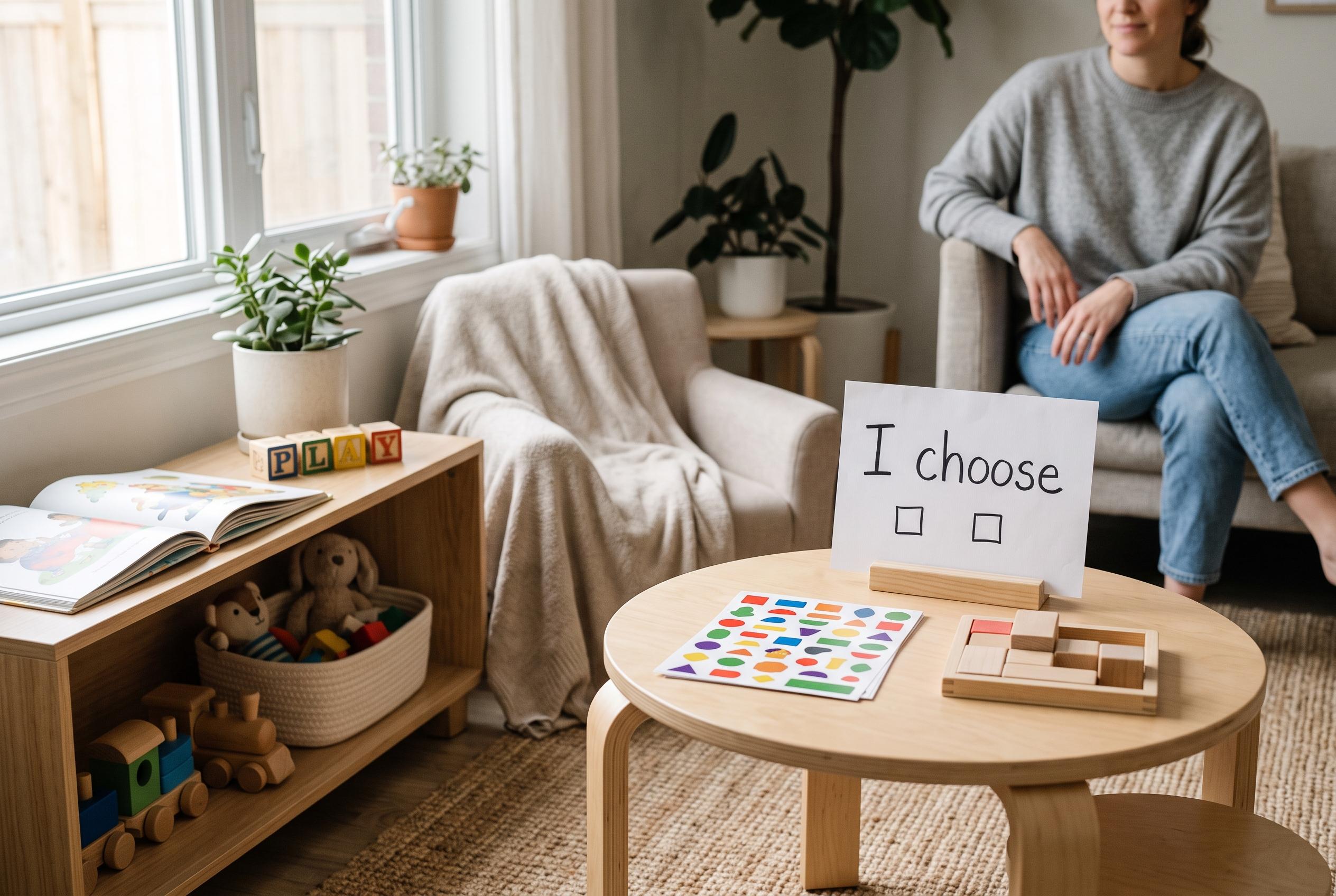

Recent shifts in parenting practices reflect a move away from traditional discipline towards fostering autonomy, consent, and individualised care, driven by new research and changing societal values.
Parents rarely announce that they are abandoning old rules. More often, the change happens quietly: a family stops using physical punishment, lets a child decide what to eat, or rethinks who gets to be affectionate and on what terms. Together, these small shifts amount to a broad rewrite of the handbook many adults inherited, driven by newer research, changing household structures and a stronger emphasis on children’s autonomy and consent.
One of the clearest examples is spanking. A study published in JAMA Pediatrics found that the share of U.S. parents with children aged 2 to 12 who reported spanking fell from 50% in 1993 to 35% in 2017, with similar declines across income levels. A separate longitudinal analysis published in ScienceDirect linked spanking to poorer executive functioning in children, including weaker inhibitory control, flexibility and working memory. That helps explain why the American Academy of Pediatrics has been so direct in opposing corporal punishment.
Feeding practices have also changed. Instead of insisting that children clear their plates, many parents now follow what dietitians call the Division of Responsibility, in which adults decide what food is offered and when, while children decide whether and how much to eat. Advocates say the model reduces mealtime conflict and helps children listen to hunger and fullness cues rather than eating to satisfy pressure. It is a modest change on the surface, but one that can reshape a child’s relationship with food for years.
The same shift towards autonomy shows up in how families handle affection. The old instruction to hug or kiss relatives on demand is being replaced in many homes by a simpler rule: children should not be pressured into physical contact. That reflects a broader consent-based approach to parenting, one that treats body privacy as something to be taught early rather than negotiated only later. Child safety advocates say that matters, especially when children are being taught to trust their instincts about touch.
Bedtime, too, is becoming more flexible. A 2026 study in Frontiers in Sleep on young children in Black families found that parents often adjust bedtime routines to fit the child’s needs and the realities of the day, and that about half the sample reported co-sleeping. The findings fit a wider trend away from rigid, one-size-fits-all schedules and towards routines built around cues, comfort and practicality. In the real world, a tired child, a late evening or a difficult night rarely obeys a clock.
Gender roles in the nursery and the chore chart are loosening as well. More parents now see little reason to divide toys, play or household tasks into pink-and-blue categories. That means dolls are not just for girls, trucks are not just for boys and chores are increasingly assigned by age and ability rather than by sex. The result is less tradition for its own sake and more preparation for adult life, where competence matters more than stereotype.
Several other habits are fading for similar reasons. The threat of “wait until your father gets home” made sense only in a world where discipline was outsourced to one parent and fear was considered effective. So did the old idea that children should be seen and not heard, or that parents must hide every disagreement from them. Today, many families want children to practise speaking up, watching adults repair conflict and understanding that feelings do not have to be buried to be managed. Even sharenting, the reflex to post every milestone online, is being reconsidered as parents become more aware of privacy, permanence and the fact that a child cannot consent to a digital footprint created in infancy.
What links all of these changes is not rebellion but re-evaluation. In place of obedience for its own sake, many parents are choosing flexibility, consent and evidence. Some traditions have faded because they were shown to be harmful. Others have simply proved ill-suited to modern family life. Either way, the direction of travel is clear: children are increasingly being treated not as projects to control, but as people whose signals deserve to be taken seriously.
Disclaimer: This content is for informational purposes only and is not intended to be a substitute for professional medical judgment, advice, diagnosis, or treatment.