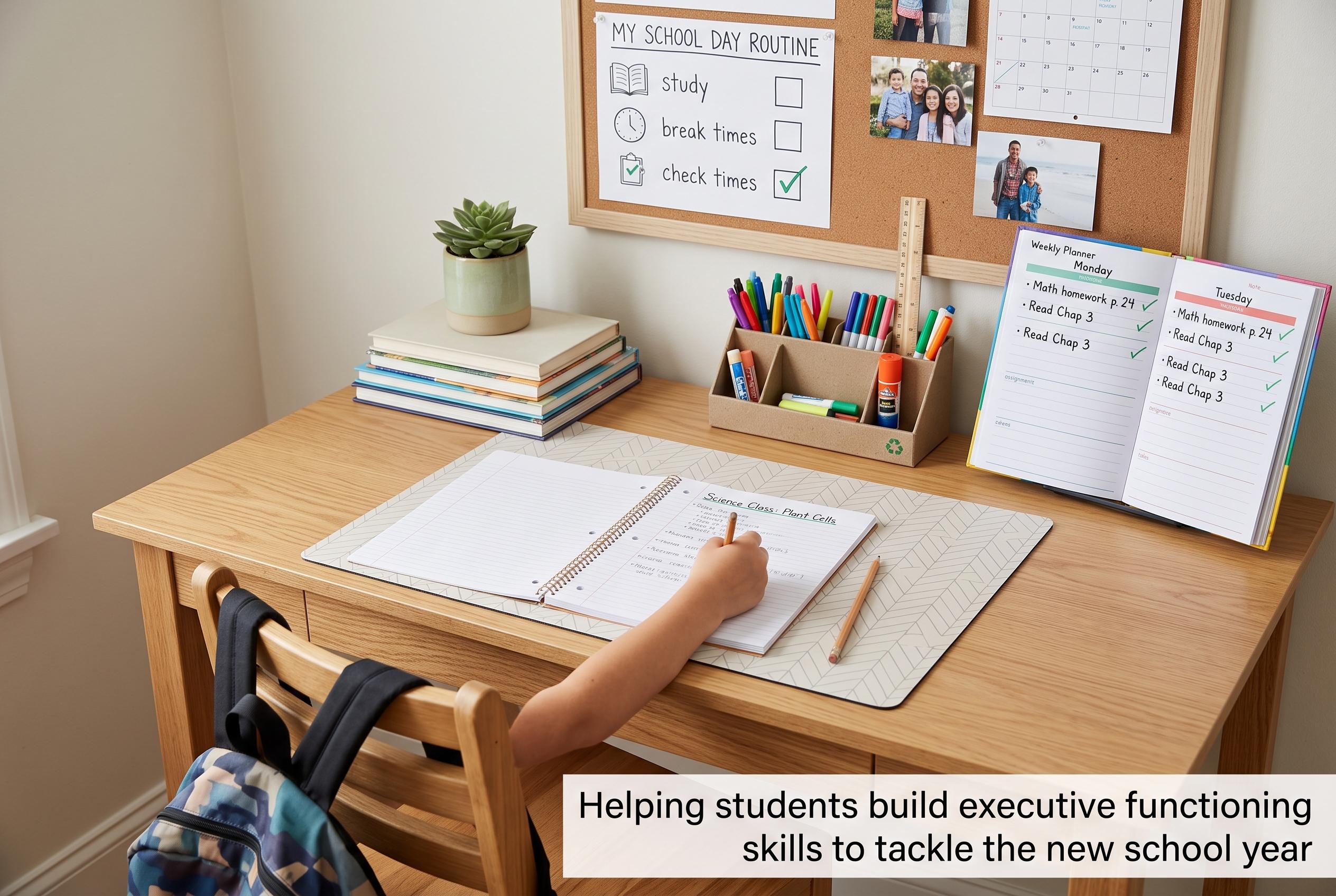

As the new school year starts, experts highlight simple routines and organisation strategies to strengthen children’s executive functioning skills, crucial for academic success and independence, especially amidst increased classroom demands.
As the new school year begins, the return to classrooms can feel exciting and daunting in equal measure, especially for students moving into middle school or high school. The jump to multiple teachers, changing expectations and a more demanding timetable can expose gaps in a child’s ability to stay organised, manage time and keep on top of work. Child health experts say those abilities, known as executive functioning skills, can be strengthened at home with routine and practice.
Executive functioning covers the mental skills children use to plan, prioritise, remember instructions, begin tasks and solve problems. Harvard Health says these skills are central not only to academic performance but also to growing independence, while Cleveland Clinic describes them as the processes that help people focus, juggle tasks and follow through. As schoolwork becomes more complex, students need these skills to track homework, prepare for tests and meet deadlines without constant adult intervention.
One of the simplest ways to help is to create a steady place for homework and studying. Cincinnati Children’s recommends a dedicated space with the supplies a student uses most often, such as binders, notebooks, folders, pens, pencils and a computer. The aim is to cut distractions and make it easier to get started. Experts at Children’s Health also advise building structure into the day and reinforcing good habits consistently rather than relying on reminders alone.
Planning tools can make a major difference. A planner gives students one place to record assignments, tests and due dates as soon as they are set, which reduces the risk of forgotten work. Children’s Health and Learning Links both note that visual lists, calendars and weekly check-ins can help students see what is coming next. Long-term projects and exam preparation are easier to manage when broken into smaller steps across several days rather than left until the last minute.
Organisation matters too. Cincinnati Children’s suggests using a binder system or a backpack routine so papers do not disappear into a jumble of loose sheets. Families can set aside time each week to sort items into three categories: act on them, file them or throw them away. Support for school online portals can also help teenagers stay on track, particularly early in the year when they are adjusting to new classes and teachers. Positive reinforcement, such as praise or small rewards, can encourage students to keep using these strategies until they become habits.
Disclaimer: This content is for informational purposes only and is not intended to be a substitute for professional medical judgment, advice, diagnosis, or treatment.