
Teachers can play a pivotal role in helping children with selective mutism by adopting low-pressure communication methods grounded in understanding and consistency, as experts highlight effective strategies to foster speech development in classroom settings.
Selective mutism can present a quiet but urgent challenge for teachers: a child who speaks freely at home may become unable to talk in the classroom, not by choice but because anxiety shuts down speech in certain settings. Support groups and clinical resources stress that this is an anxiety-driven condition, not defiance, and say the way adults respond in school can either lower the pressure or intensify it. For teachers, that means the first task is often to understand the silence before trying to break it.
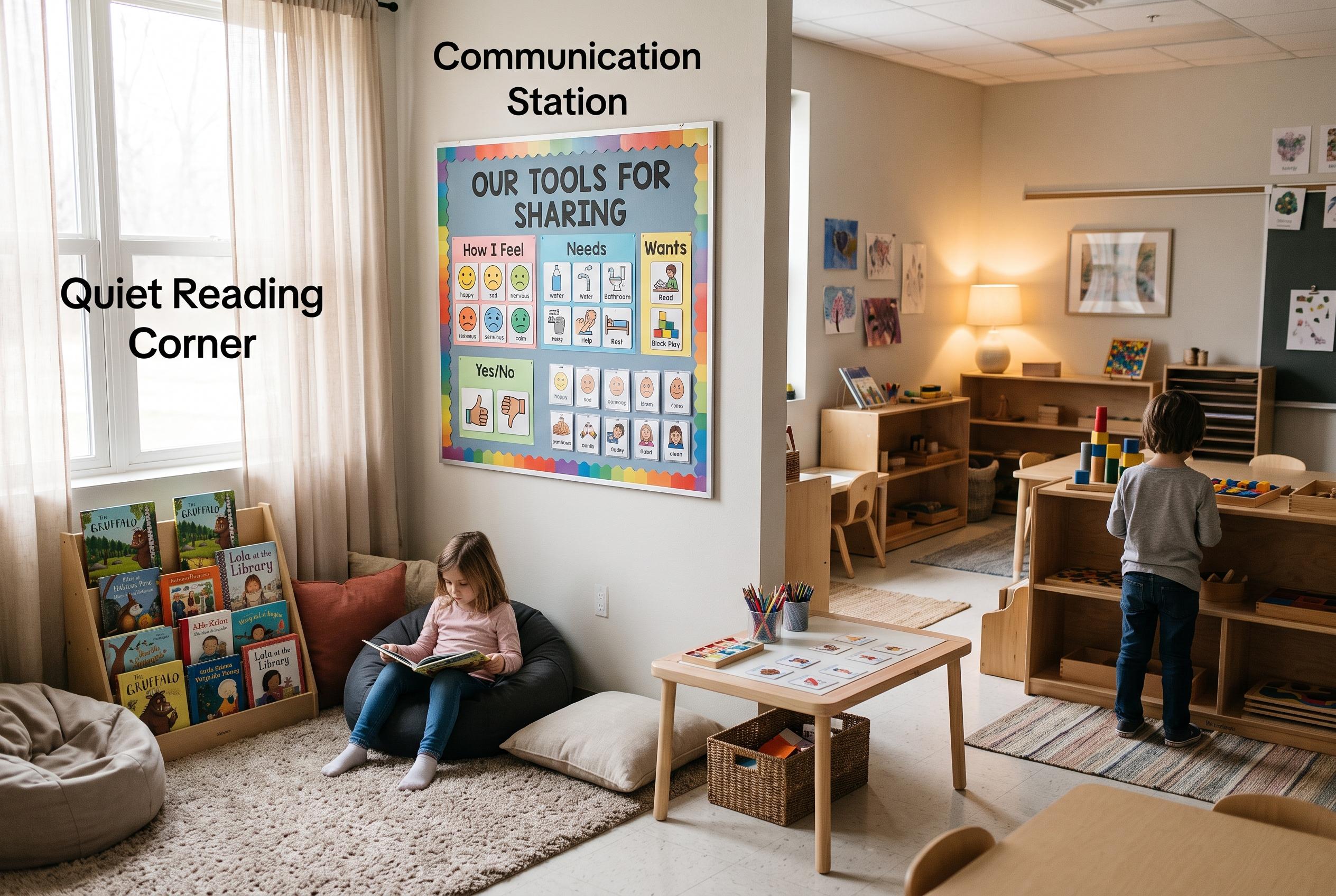
Specialist guidance from selective mutism organisations recommends starting with low-pressure communication rather than pushing for immediate answers. Accepting gestures, written responses or other non-verbal forms of participation can give a child a way to engage without feeling exposed. Experts also advise avoiding repeated direct questioning in front of the class, since that can increase distress, and instead building up to speech gradually through small, predictable interactions that feel safe.
The broader message from clinicians and support charities is that progress is usually made through consistency, not confrontation. Resources from the Selective Mutism Centre and the American Speech-Language-Hearing Association describe structured approaches that help children move from comfort to communication in stages, often with input from teachers, families and speech-language professionals. Some programmes, including Social Communication Anxiety Treatment, are built around reducing anxiety first and speech second, with the aim of creating conditions in which verbal communication can emerge naturally.
That is why training for teachers matters so much. Advice from specialist providers suggests that simple classroom adjustments, such as using cooperative group work, offering quiet opportunities to contribute and reinforcing any step towards communication, can make a meaningful difference. The central principle is not to wait passively for a child to “grow out of it” but to shape an environment in which speaking becomes possible. Teachers do not need to act as therapists, but with informed support they can play a decisive role in helping a child feel secure enough to find a voice.
Disclaimer: This content is for informational purposes only and is not intended to be a substitute for professional medical judgment, advice, diagnosis, or treatment.