
A shift in parental perspective from comparing children to fostering personal growth can enhance self-esteem and motivation, especially in the age of social media, promoting a healthier approach to achievement.
The moment came, as these moments often do, in an ordinary setting: a warm afternoon, a patio, children in a pool and one parent suddenly aware of the sharp, private sting of comparison. One child was still finding his rhythm in the water while another seemed to move with easy confidence. In that instant, the questions arrived in a rush: was enough being done, should lessons have started earlier, had some crucial window already been missed?
That reaction is more than parental anxiety. Psychologist Leon Festinger’s social comparison theory, first set out in 1954, argues that people instinctively judge their abilities and opinions by looking at others, especially when there is no clear yardstick. In that sense, comparison is not a personal failing so much as a deeply human habit, tied to the need to understand where we stand and whether we belong.
The trouble begins when that habit starts to shape how adults see children. Parents do not simply compare marks, swim times or milestones; they also transmit the emotional logic behind those comparisons. Children are highly sensitive to whether they are being seen as individuals or assessed as competitors, and that can influence whether they come to think of ability as fixed or developing. Carol Dweck’s work on mindset has long suggested that when children are praised chiefly for being clever or ahead, they can learn to protect a label. When effort, strategy and persistence are recognised instead, they are more likely to believe they can improve.
That pressure has intensified in the age of social media, where the comparison set is no longer the children on a street or in a classroom but an endless stream of curated highlights. Psychological writing on the subject has noted that upward comparisons, in which people measure themselves against those they perceive as better off, can erode self-esteem and motivation, particularly when the standard being used is polished, selective and incomplete. For parents, the effect is doubled: they compare their own messy, unfinished lives with other people’s edited versions while children absorb the same climate of ranking.
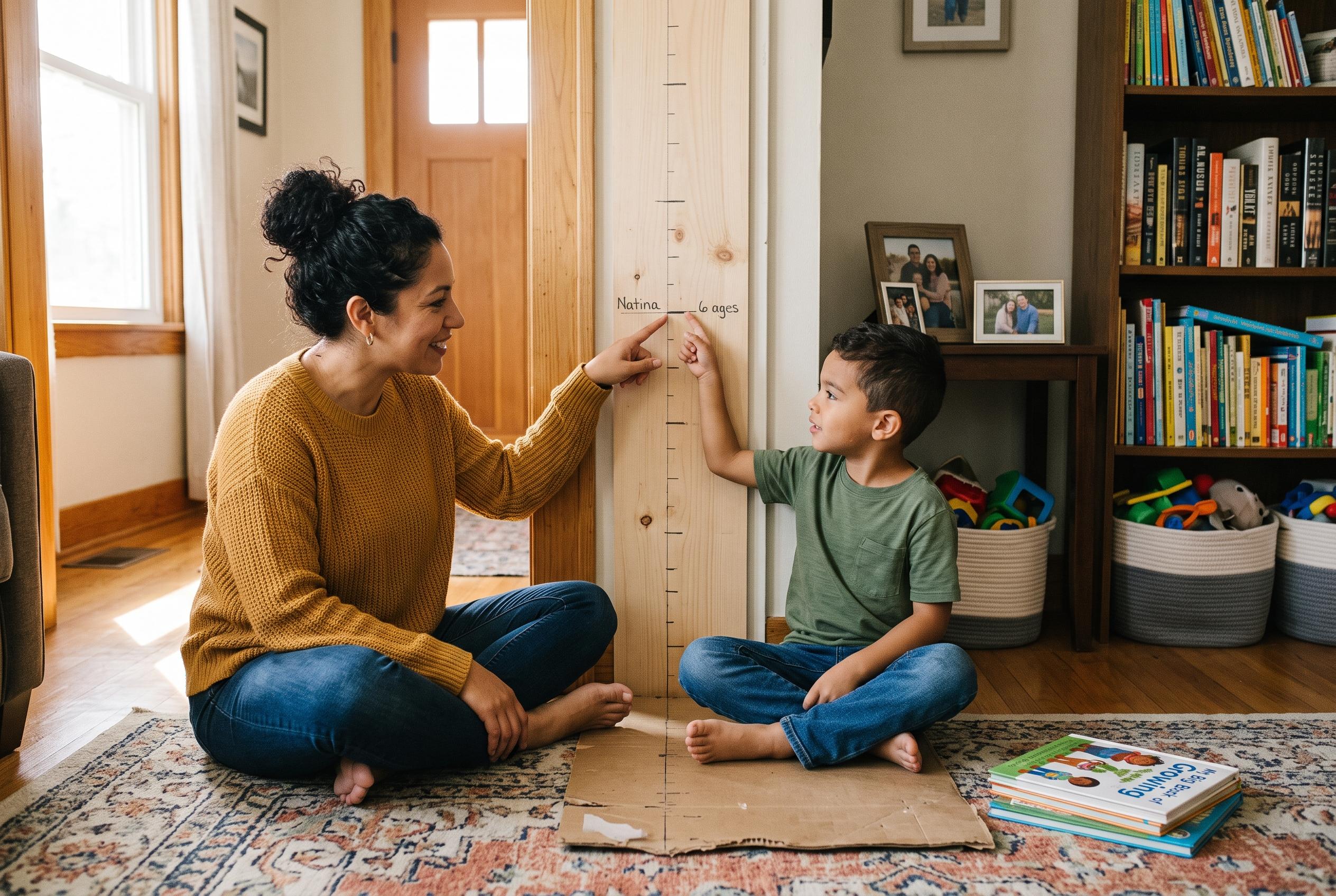
The answer is not to abolish comparison, which is probably impossible, but to redirect it. The more useful measure is internal: progress against yesterday’s self rather than against the child in the next lane or the family across the road. That shift begins in the questions adults ask. Did you win becomes what did you learn. What did you get becomes do you understand it better than before. Over time, those small changes teach children to value growth over status and persistence over polish. The child in the pool will keep learning, as children do. The deeper lesson is for the adults watching: the healthiest benchmark is not who is ahead, but whether today is a little better than yesterday.
Disclaimer: This content is for informational purposes only and is not intended to be a substitute for professional medical judgment, advice, diagnosis, or treatment.