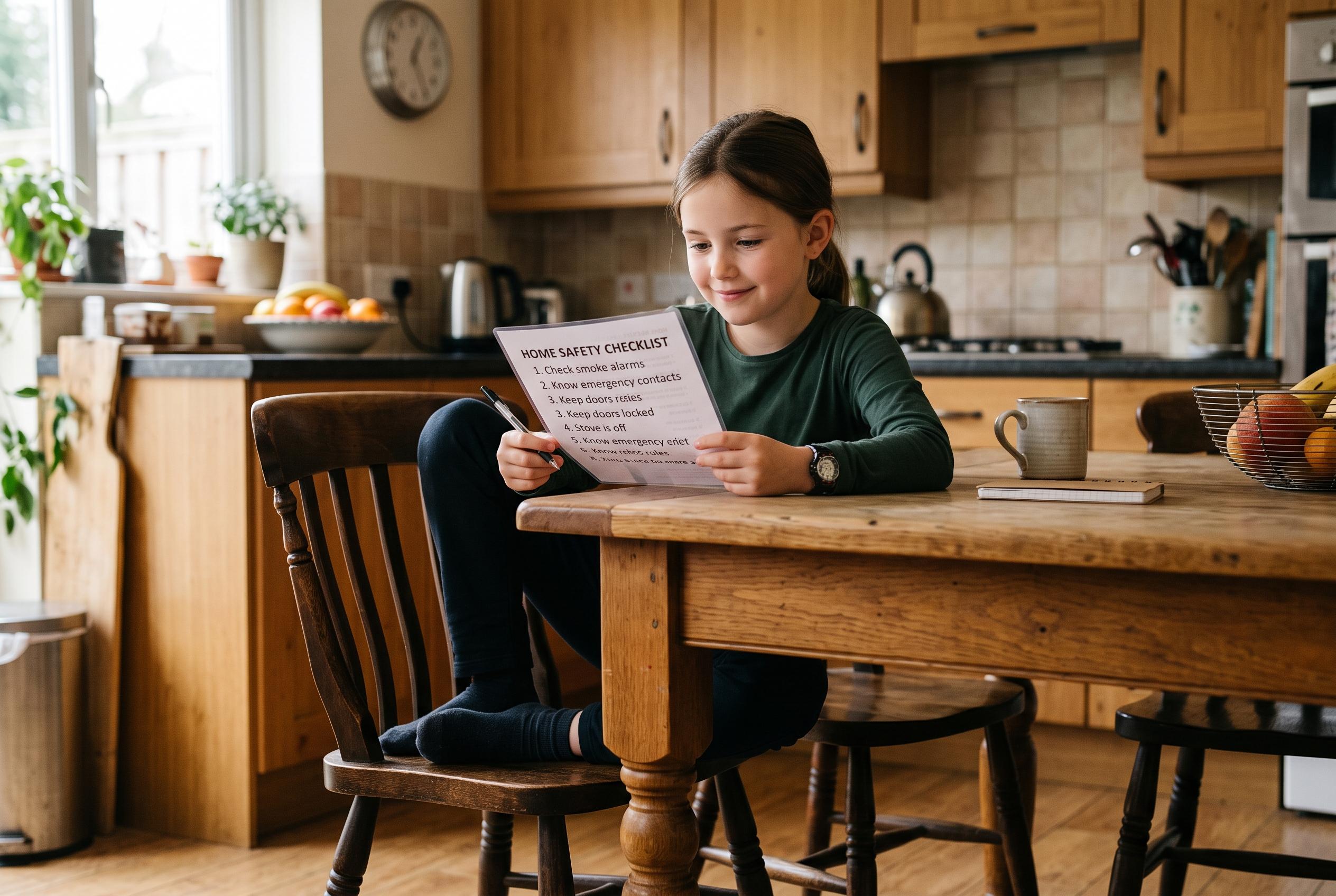

Recent guidelines emphasise that a child’s maturity and confidence are more crucial than age when deciding if they can stay home alone. Experts recommend a gradual, practice-based approach to ensure children are prepared for independence and emergencies.
Parents weighing when a child can stay home alone are often told to focus less on age and more on readiness. Guidance cited by HealthyChildren.org and the NSPCC says there is no single number that fits every family, and that a child’s maturity, confidence and ability to cope in an emergency matter more than the birthday on a passport. The practical question is whether the child can follow rules, recognise danger and ask for help if needed.
One common warning is not to assume independence in one setting means independence in all. A child who copes well for 15 or 20 minutes in familiar surroundings may still be unprepared for several hours alone, let alone an overnight stay. Child safety organisations advise parents to think carefully before extending the time, especially if the child would need to cook, take medication or look after younger siblings.
A gradual approach is usually recommended. Rather than making the first test a long absence, parents are advised to start with short periods, stay reachable by phone and return exactly when promised. Rady Children’s Health and other child-safety groups also recommend practice runs so children can rehearse what to do if someone knocks, the power goes out or they smell smoke.
The checklist is straightforward but important. Children should know not to open the door to strangers, even if they claim to be delivery workers or repair staff. They should memorise emergency contacts, know how to call the emergency services and be able to identify basic risks such as fire, a running tap or a gas-like smell. The NSPCC also stresses that children should feel comfortable being alone; if they are frightened, parents should not force the issue.
Experts say the best preparation is discussion rather than a long list of prohibitions. After each short trial, parents can ask what the child did, whether anything felt unsettling and how problems were handled. That kind of debrief helps build judgement and confidence, and it is often a better measure of readiness than age alone.
Disclaimer: This content is for informational purposes only and is not intended to be a substitute for professional medical judgment, advice, diagnosis, or treatment.