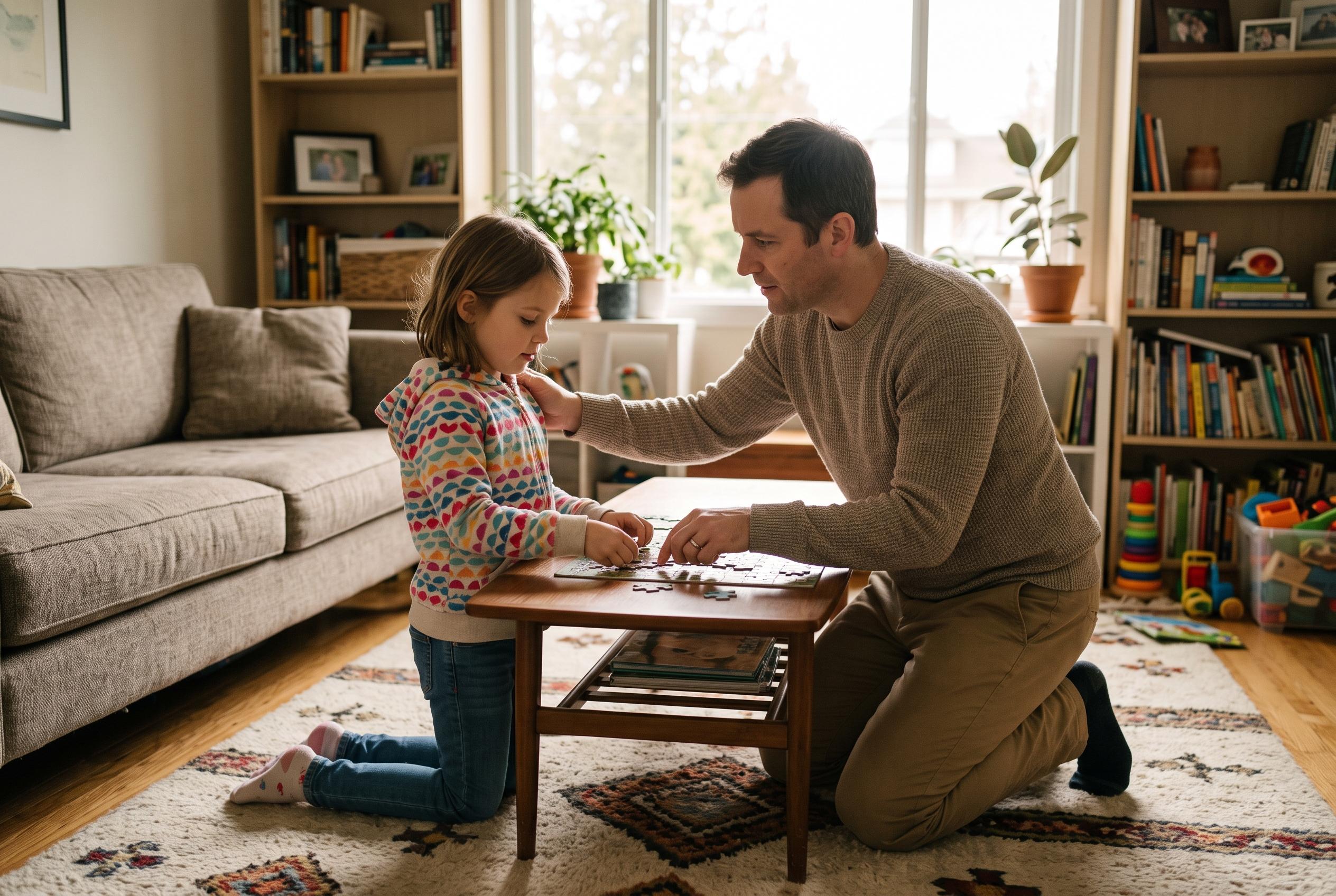

Small, everyday parenting missteps can have lasting effects on a child’s confidence and emotional well-being. Experts emphasise the importance of supportive, effort-focused approaches to nurture resilient and secure young people.
Small, repeated missteps in parenting can shape a child’s confidence and emotional development long after the moment has passed. The online article that prompted this discussion argues that many of the most damaging habits are not deliberate at all: they are the everyday ways adults dismiss feelings, reward outcomes over effort or try to protect children from discomfort.
One of the clearest risks is emotional invalidation. Healthline and Medical News Today both describe childhood emotional neglect as a form of care in which children do not receive enough emotional support, with effects that can linger into later life and harm self-esteem, coping skills and mental health. PsychCentral says that when feelings are brushed aside rather than acknowledged, children can become more insecure and less able to regulate their emotions.
That warning also helps explain why experts place such importance on listening properly when children are upset. Yale School of Medicine has reported that family conflict and stress can interfere with emotion regulation in young people, contributing to anxiety, depression, aggression and attention problems. In practice, that means seemingly casual phrases such as telling a child there is nothing to cry about can carry more weight than parents realise.
Another common problem is the pressure to treat grades as the main measure of success. Research published on PubMed Central found that praise aimed narrowly at ability can make children more likely to blame later setbacks on lack of talent, which can undermine motivation and self-worth. By contrast, focusing on effort and learning helps children understand that progress matters as much as performance.
The same principle applies to failure more broadly. Children who are protected from every difficulty may miss the chance to learn resilience, and those who are punished harshly for mistakes may start hiding the truth. A healthier approach, psychologists say, is to treat errors as part of learning rather than as evidence of bad character.
The article also points to gender rules, people-pleasing and fear of strangers as habits that can limit a child’s development. Boys should not be taught that crying is weak, girls should not be expected to stay quiet and agreeable at all times, and children should not be pushed to suppress their own needs in order to keep everyone else comfortable. At the same time, teaching safety should not mean presenting every unfamiliar person as a threat; children need clear rules about behaviour, not blanket fear.
Taken together, the message is straightforward: parenting is not only about physical care but also about helping children feel heard, capable and emotionally secure. The lasting task is to raise children who are not just protected, but also resilient enough to understand their feelings, recover from setbacks and trust themselves.
Disclaimer: This content is for informational purposes only and is not intended to be a substitute for professional medical judgment, advice, diagnosis, or treatment.