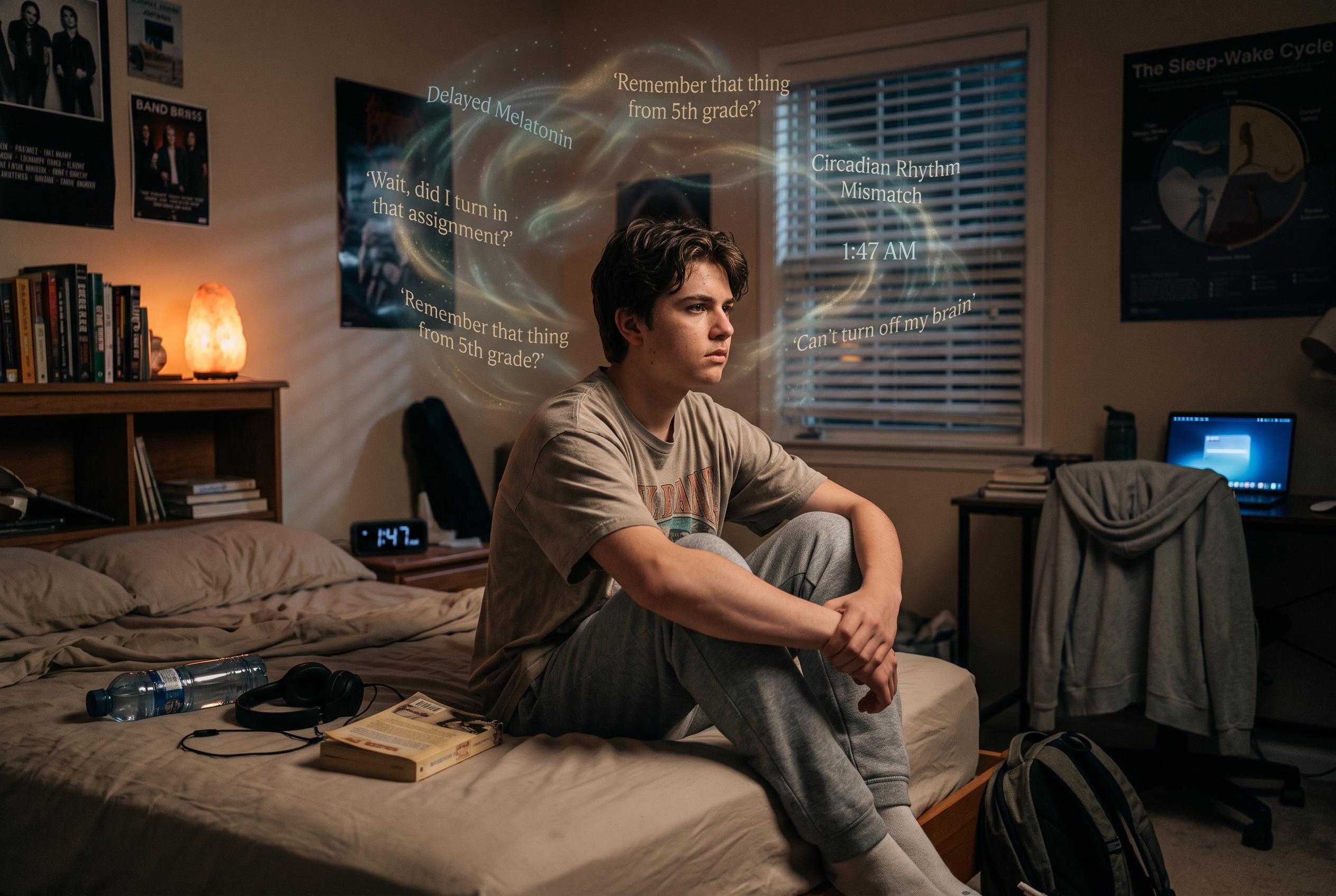

Research shows that teenagers with ADHD face unique sleep challenges linked to delayed melatonin release and mental racing, with treatment adjustments and good sleep hygiene offering potential improvements.
Sleep is a basic need for adolescents, but for those living with ADHD it can become a nightly battle. Media Indonesia reports that parents often mistake late nights for poor discipline, when the underlying problem is usually far more complex. Researchers say sleep difficulties are closely tied to ADHD itself, not simply to habits. Sleep problems are common in this group and may be one reason daytime symptoms feel worse.
One major factor is a delay in the body’s internal clock. In teenagers with ADHD, the release of melatonin, the hormone that helps trigger drowsiness, may arrive later than it does in other adolescents, leaving them alert long after they should be winding down. Mental health and sleep specialists also say many young people with ADHD find it hard to switch off mentally at night, with racing thoughts, worry and a sense of unfinished business from the day keeping them awake.
Treatment can add another layer of difficulty. Stimulant medicines used to manage ADHD symptoms during the day may still be active in the evening if taken too late, which can push sleep further back. A recent study indexed on PubMed found that poor sleep hygiene, including irregular sleep schedules and heavy screen use before bed, is common among adolescents with ADHD and is linked with worse sleep quality. WebMD, the Sleep Foundation and Understood all note that limiting screens and keeping a regular bedtime routine can help.
The consequences of chronic sleep loss can be significant. A systematic review published on PubMed Central found sleep problems in 25% to 55% of children with ADHD, including trouble falling asleep, repeated waking and unrefreshing sleep, and said those disturbances can intensify ADHD symptoms and weaken thinking skills. That makes sleep a treatment issue as much as a lifestyle one. Experts recommend steady sleep and wake times, turning off devices at least an hour before bed, keeping the bedroom dark and cool and discussing medication timing with a doctor.
Disclaimer: This content is for informational purposes only and is not intended to be a substitute for professional medical judgment, advice, diagnosis, or treatment.