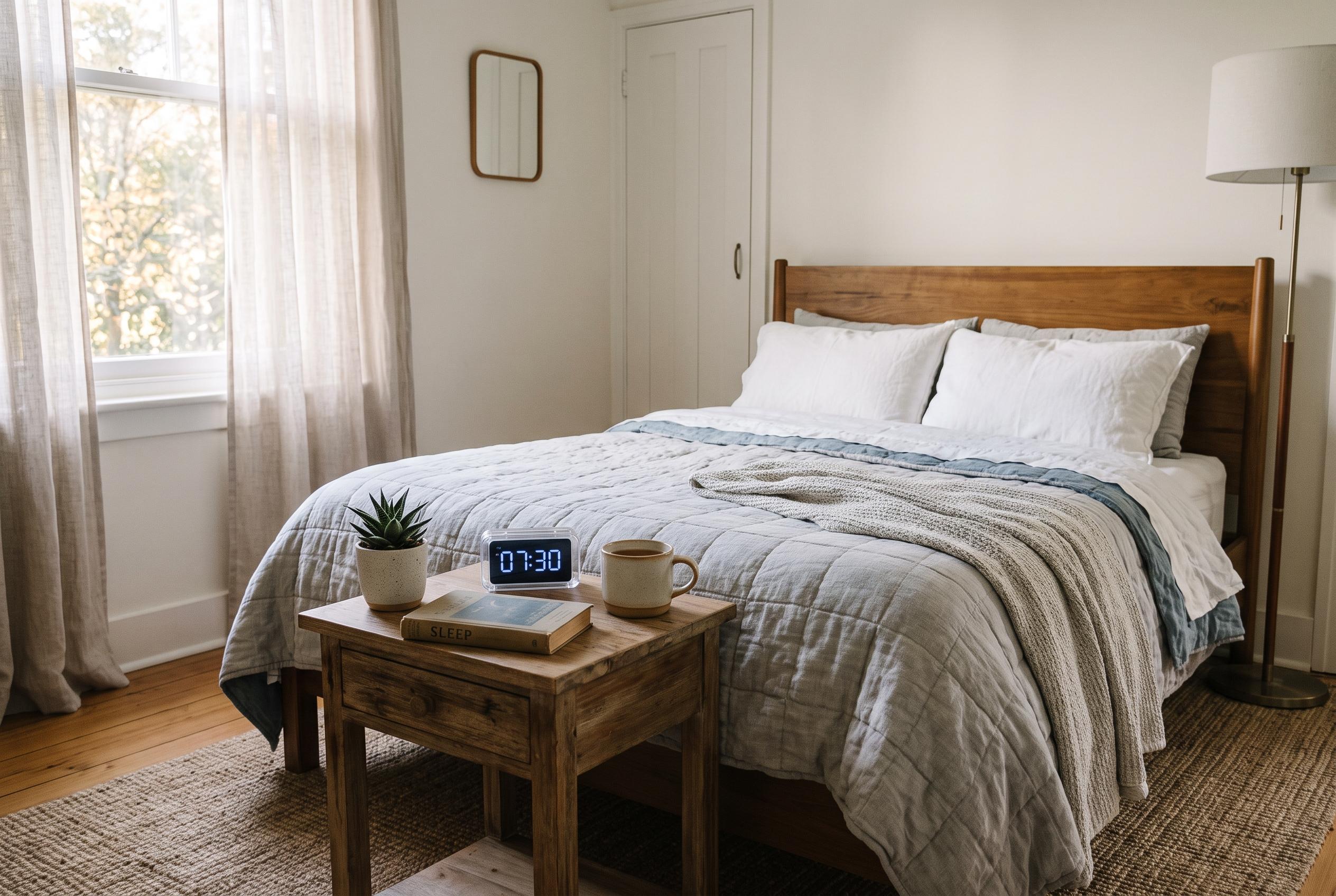

Experts emphasize the importance of regular sleep and wake times to regulate the body’s internal clock, potentially alleviating chronic insomnia and improving overall health.
For anyone battling ongoing insomnia, the most effective fix may be the least glamorous one: keeping sleep and waking times steady. Experts cited by the Cleveland Clinic, UCLA Health, the CDC and the Sleep Foundation all describe the circadian rhythm as the body’s internal 24-hour clock, and say regular routines help that clock keep pace with light, hormone release, body temperature and alertness. When bedtimes and wake times swing around, the body gets mixed signals about when to sleep and when to be awake.
The result is often what sleep specialists call social jetlag: the familiar pattern of sleeping in at weekends, then feeling out of step by Sunday night. The body may have been shifted by several hours, leaving people groggy on Monday and making it harder to drift off again. National Geographic has also reported that keeping a stable sleep-wake pattern may support memory, hormone release and other long-term health processes, adding to the case for routine over recovery sleep-ins.
Sleep advisers generally say the most useful anchor is the morning alarm, not bedtime. Waking at roughly the same time every day helps set the rhythm for the rest of the day, even after a poor night’s sleep. Light exposure soon after rising also matters. According to the Cleveland Clinic and UCLA Health, morning light helps reset the circadian system, while darkness later in the day tells the brain to begin winding down.
If a schedule needs changing, gradual adjustments work better than sudden shifts. The advice is to move bedtime and wake time in small steps, rather than trying to overhaul a routine overnight. Long afternoon naps can also undermine sleep pressure, the build-up of tiredness that helps people fall asleep at night, so short naps earlier in the day are generally less disruptive. Bright daytime light and dimmer evenings can further support the body’s natural timing.
Alcohol is another common trap. It may shorten the time it takes to fall asleep, but sleep experts say it tends to fragment rest later in the night and can suppress REM sleep, the stage linked with dreaming and memory. If consistent habits, better light exposure and healthier evening routines still do not help, doctors recommend speaking with a GP or sleep specialist to rule out problems such as sleep apnoea or chronic insomnia. Persistent sleeplessness that lasts three nights a week for three months or more, or that affects daily functioning, should not be ignored.
Disclaimer: This content is for informational purposes only and is not intended to be a substitute for professional medical judgment, advice, diagnosis, or treatment.