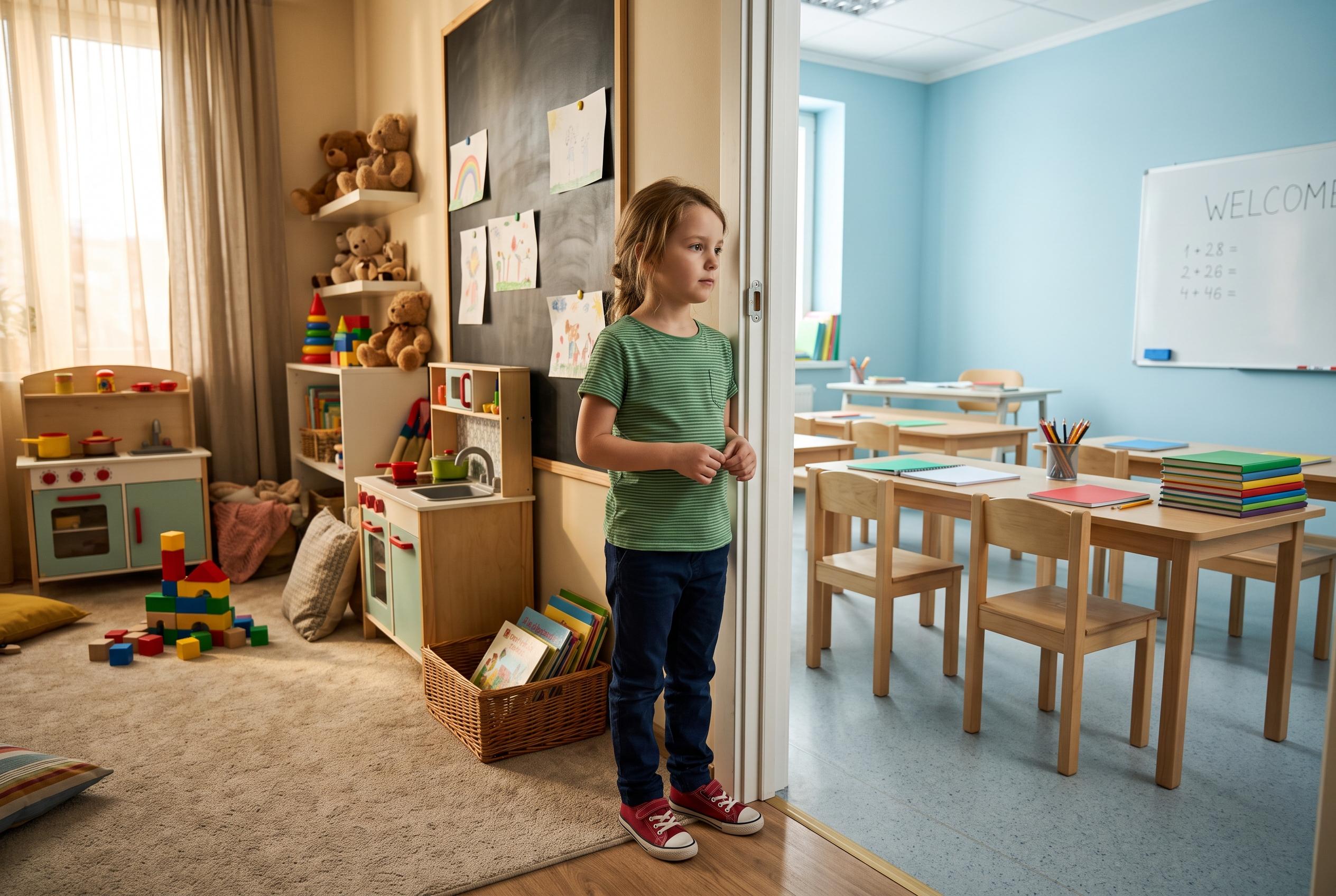

Many children and parents are unprepared for the significant shift in expectations during Year 3, which can trigger anxiety and behavioural changes. Experts emphasise the importance of steady support to help children navigate this critical stage in their educational and emotional growth.
Many parents are caught off guard when a child who sailed through Years 1 and 2 suddenly appears anxious, frustrated or overwhelmed in Year 3. Education and child psychology specialists say that reaction is common because this stage often marks one of the biggest shifts in primary schooling, both academically and emotionally.
The main change is in reading. In the early years, children are taught to decode words and build basic fluency. By Year 3, however, the expectation moves towards using reading as a tool for learning across subjects. That means pupils are no longer simply sounding out text; they are being asked to understand more complex passages, draw conclusions and use background knowledge to make sense of what they read. Reading fluency remains important, because children who are still working hard at decoding can struggle to keep up with comprehension.
Maths also becomes more demanding. Instead of straightforward addition and subtraction, pupils are introduced to multiplication, division, fractions and word problems that require more than memorisation. At the same time, schools typically expect greater independence: more homework, better time management, tidier organisation and the ability to complete tasks with less direct guidance. For some children, that jump in responsibility can dent confidence and trigger worry about making mistakes.
The pressure is not only academic. At around 8 or 9 years old, children become more aware of how they compare with classmates, which can sharpen feelings of self-consciousness and fear of failure. Some specialist groups say children with learning difficulties, including dyslexia or ADHD, may find the transition especially hard because the demands on reading, attention and self-management rise at the same time. Signs of trouble can include avoiding school conversations, changes in behaviour or even physical complaints such as headaches.
Experts say the best response is steady support rather than punishment. Reading aloud, building vocabulary, keeping a daily reading routine and staying in close contact with teachers can help parents spot problems early and give children the reassurance they need. The aim is not to remove the challenge of Year 3, but to make sure pupils do not face it alone.
Disclaimer: This content is for informational purposes only and is not intended to be a substitute for professional medical judgment, advice, diagnosis, or treatment.