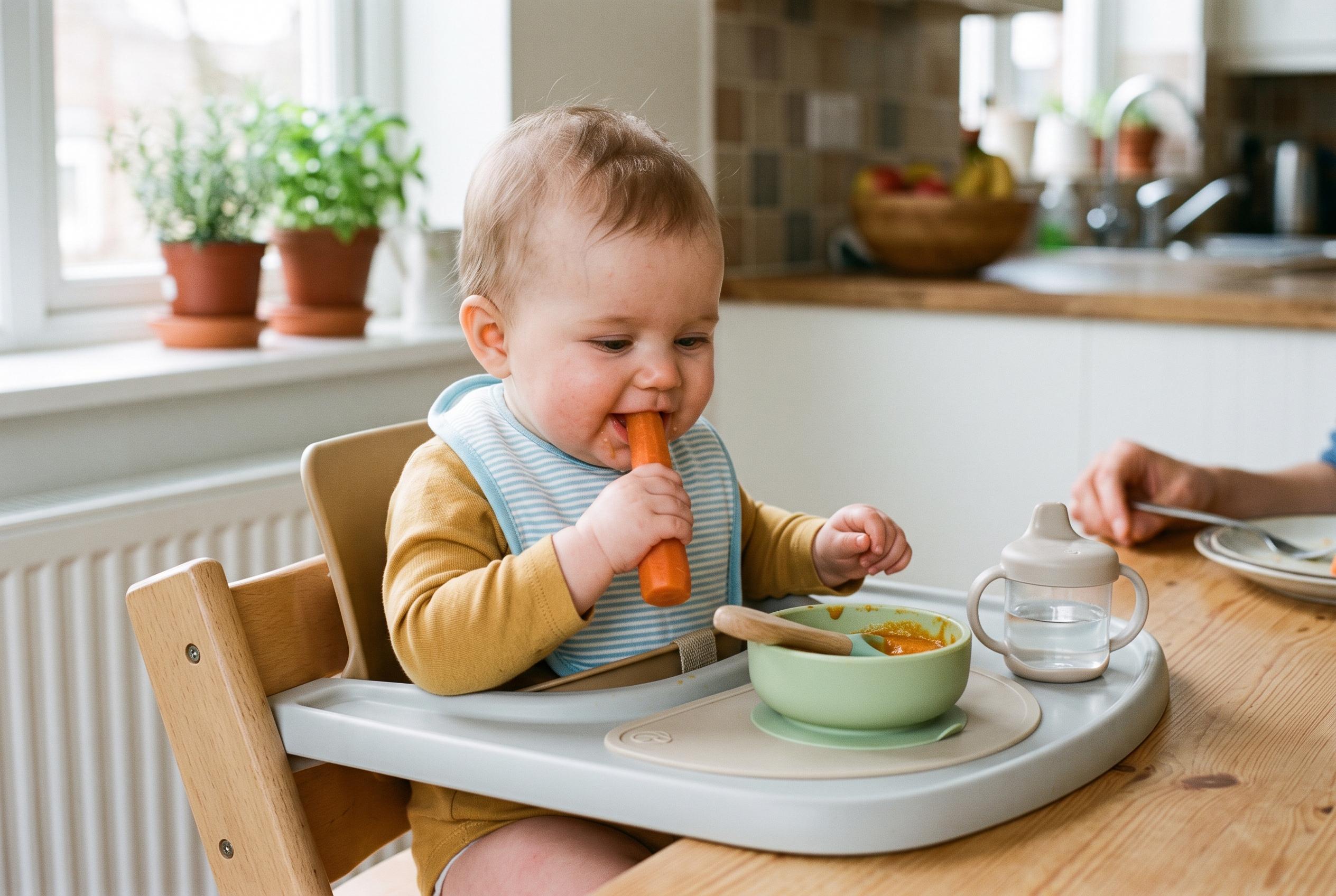

As parents increasingly debate whether to spoon-feed purées or allow self-feeding from six months, experts highlight the benefits and risks of each approach amid calls for more robust research and a balanced compromise.
A quiet dispute has settled over the family dinner table: should babies be spoon-fed purées, or should they be allowed to feed themselves from the start? The method known as baby-led weaning, in which infants are offered appropriately prepared solid food and encouraged to self-feed from about 6 months, has become increasingly fashionable among parents who want to move away from jars, pouches and an all-purée diet. Supporters say it helps children learn to manage texture, develop jaw strength and build a more confident relationship with food.
The case for the approach is appealing, but the evidence is not definitive. Reviews of the research, including analyses in the medical literature, suggest possible benefits such as better self-regulation around eating, the encouragement of motor skills and a healthier pattern of eating later on. Yet those same reviews also note that the findings are inconsistent and that more robust studies are still needed before sweeping claims can be made. Health experts cited by the American Academy of Pediatrics and other medical sites say parents should discuss feeding choices with a clinician before making a full switch.
Safety remains the central concern. Medical guidance commonly points to the risks of choking and nutrient shortfalls if baby-led weaning is not done carefully, especially if iron-rich foods and other key nutrients are neglected. That is why many child-health specialists favour a middle ground: offering soft, age-appropriate finger foods while still using spoon-feeding when needed. In practice, that compromise may be the place where the warring camps can agree.
Disclaimer: This content is for informational purposes only and is not intended to be a substitute for professional medical judgment, advice, diagnosis, or treatment.