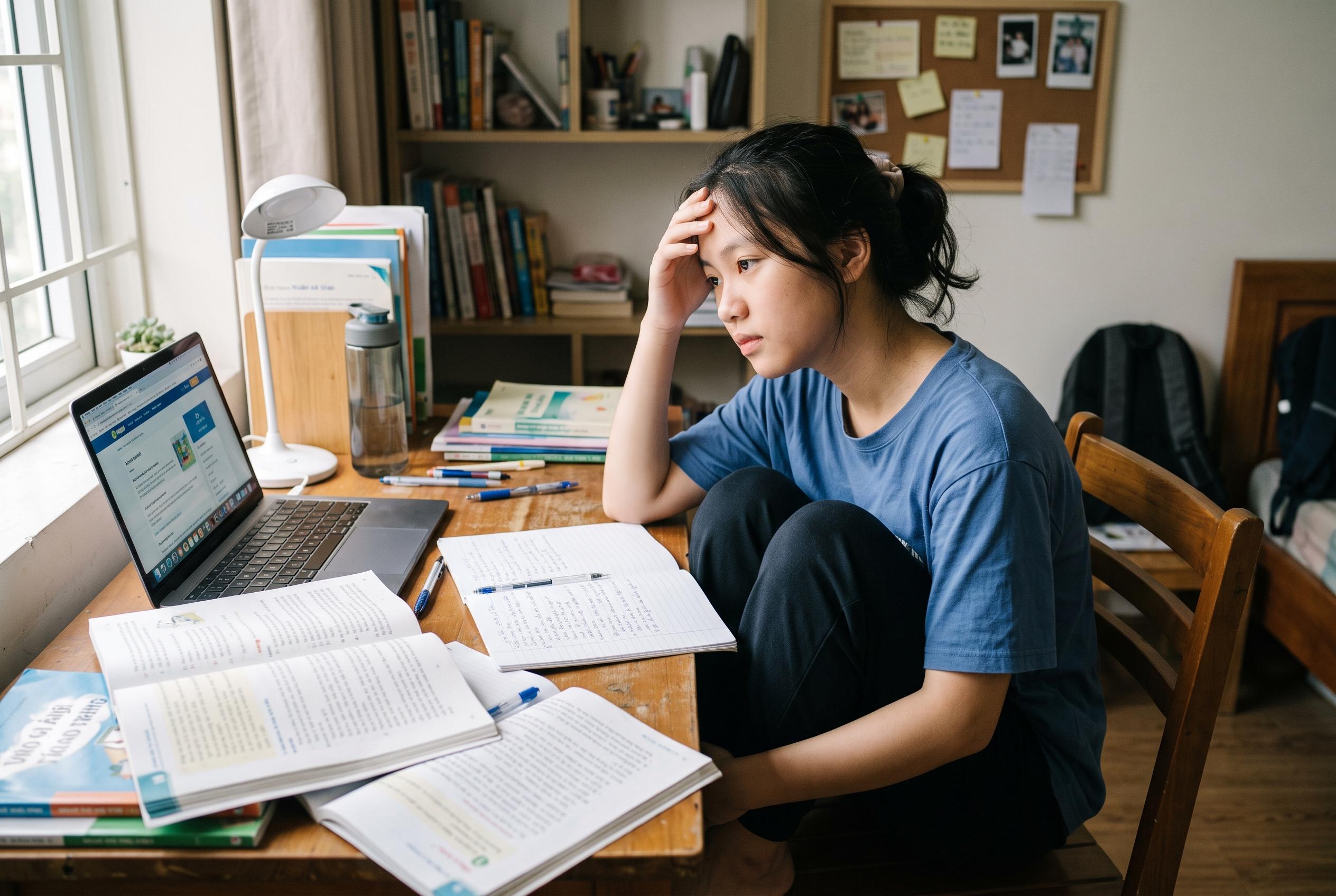

Doctors at Hanoi’s Bach Mai Hospital warn of a sharp increase in mental health disorders among teenagers, highlighting the urgent need for early detection and support amid escalating pressures during school holidays.
Doctors at Bach Mai Hospital in Hanoi are warning that more teenagers are being treated for mental health disorders, with demand for care rising sharply during the summer holidays when pupils have more time away from school and problems are less likely to be picked up in term time. At a discussion in the capital on August 10, specialists at the Institute of Mental Health said adolescents who are anxious, lacking in confidence or unusually reactive to stress and life changes are among those most at risk.
The trend at the institute has been notable. Vu Son Tung, who leads the child and adolescent treatment department, said outpatient visits by teenagers made up about 5% of cases in 2024 but had climbed to almost double that level in the first five months of 2025. He added that 584 adolescents were admitted for inpatient treatment in the first six months of 2024, compared with 705 in just the first five months of this year. The institute now sees around 8,000 patients a month, and about 10% are under 19.
The doctors said anxiety is a major concern, and that the pressure can build quietly. Nguyen Kim Anh, a psychiatrist at the institute, described the case of a 16-year-old student who had been academically strong and had secured a place at her preferred high school, yet began suffering headaches, dizziness and insomnia after entrance exams. As the school year started, the girl became increasingly tense, feared rejection from classmates and worried she was a burden on her family. After six months of medication and cognitive behavioural therapy, her condition improved and her sleep and school attendance recovered.
Nguyen Ngoc Trang said the risks are higher for children who are naturally nervous, struggle to manage emotions or have a history of anxiety, depression, autism spectrum disorder or chronic illness. She also pointed to family conflict, excessive parental expectations, constant criticism and a lack of listening at home as possible triggers. Academic pressure, bullying and heavy homework loads can add to the strain, while social media can worsen matters by feeding fear of missing out and encouraging compulsive use.
The doctors distinguished between normal anxiety and a clinical disorder. Everyday worry is usually linked to a clear cause, fits the situation and fades when the issue passes. By contrast, pathological anxiety can last for weeks or months, be out of proportion and begin to disrupt schooling, sleep, friendships and daily life. Tung said teenagers often withdraw from family as they seek more privacy and independence, making it more important for parents to stay close enough to notice changes early. He said timely detection and intervention give young patients a better chance of recovery.
That warning fits a wider pattern in Vietnam. VietnamNet, quoting the Ministry of Health, has reported that 14.9% of the population, or nearly 15 million people, live with one of 10 common mental disorders, while about 8% to 9% of adolescents have mental health problems. UNICEF Vietnam has also said one in five adolescents faces a mental health issue but only 8.4% have access to the support or counselling they need. A separate study in Social Psychiatry and Psychiatric Epidemiology found that mental health symptoms and risk behaviours are common among Vietnamese high school students, underscoring the scale of the challenge.
Disclaimer: This content is for informational purposes only and is not intended to be a substitute for professional medical judgment, advice, diagnosis, or treatment.