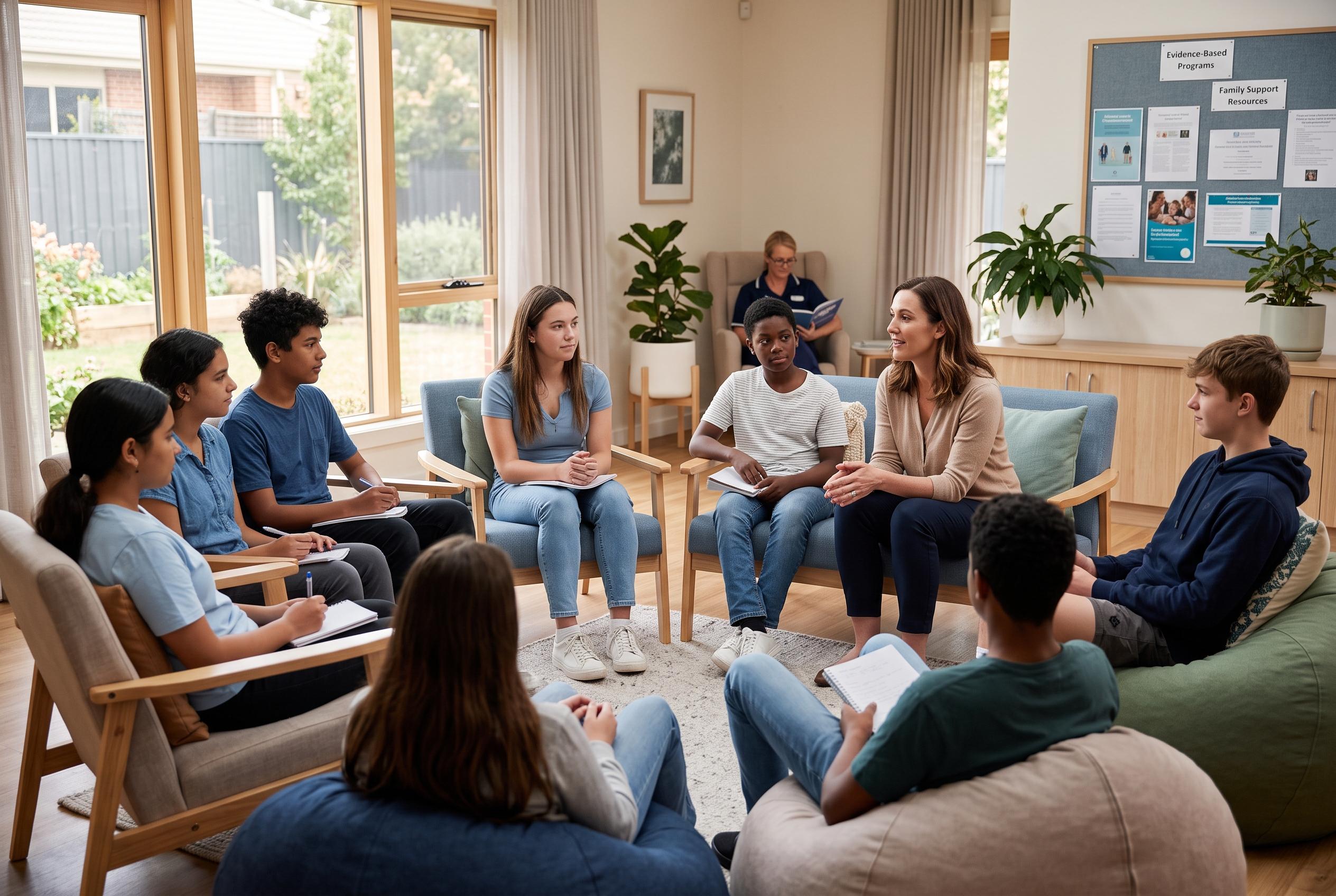

specialised residential care, tailored to teenagers’ unique needs, offers new hope for trauma recovery with evidence-based, trauma-informed programmes emphasising safety, family involvement, and personalised support.
When a teenager has lived through trauma, the path to recovery can feel uncertain for parents who are trying to help but cannot easily reach the pain beneath the surface. For some families, weekly therapy is not enough. In those cases, residential treatment can provide a more contained and therapeutic setting, giving adolescents 24-hour support while they work through trauma, build coping skills and begin to feel safe again.
What sets strong residential care apart is not simply the setting but the quality of the programme itself. The best options are built specifically for adolescents, not adapted from adult treatment, and they use trauma-informed, evidence-based methods shaped around each young person’s history and needs. Norman C. Sleezer Youth Home says its approach begins with a thorough mental health assessment and an individual treatment plan that is reviewed and adjusted as progress is made, underscoring the importance of care that stays responsive rather than rigid.
Safety and structure are also central. Imperial Healing House in Provo, Utah, describes its residential setting as secure and intentionally designed to support emotional regulation, while Bridge Point’s residential programme in Ohio says it provides 24-hour supervision alongside individual, group and family therapy. Together, those models reflect a wider truth: teenagers recovering from trauma often need consistency, predictability and close clinical support before deeper work can begin.
The most effective programmes also recognise that trauma recovery is rarely one-size-fits-all. Roots Renewal Ranch in Texas says it treats complex trauma alongside co-occurring and substance use disorders through a whole-child approach that includes therapy, medication management, life skills and family systems work. That mix highlights why trauma-specific care can matter so much: it looks beyond symptoms to the broader emotional, behavioural and relational impact trauma can have on a young person’s life.
Family involvement remains a crucial part of lasting progress. Skyland Trail in Atlanta says its adolescent programme includes family-focused support to help parents learn new ways of responding as their child prepares to return home, a reminder that treatment does not end when residential care does. For families considering Ascend Healthcare, the organisation says its teen trauma programmes include adolescent-specific houses, tailored trauma tracks and a full continuum of care. For parents facing this decision, the goal is not simply finding a place to stay, but a setting where healing can take root and continue after discharge.
Disclaimer: This content is for informational purposes only and is not intended to be a substitute for professional medical judgment, advice, diagnosis, or treatment.