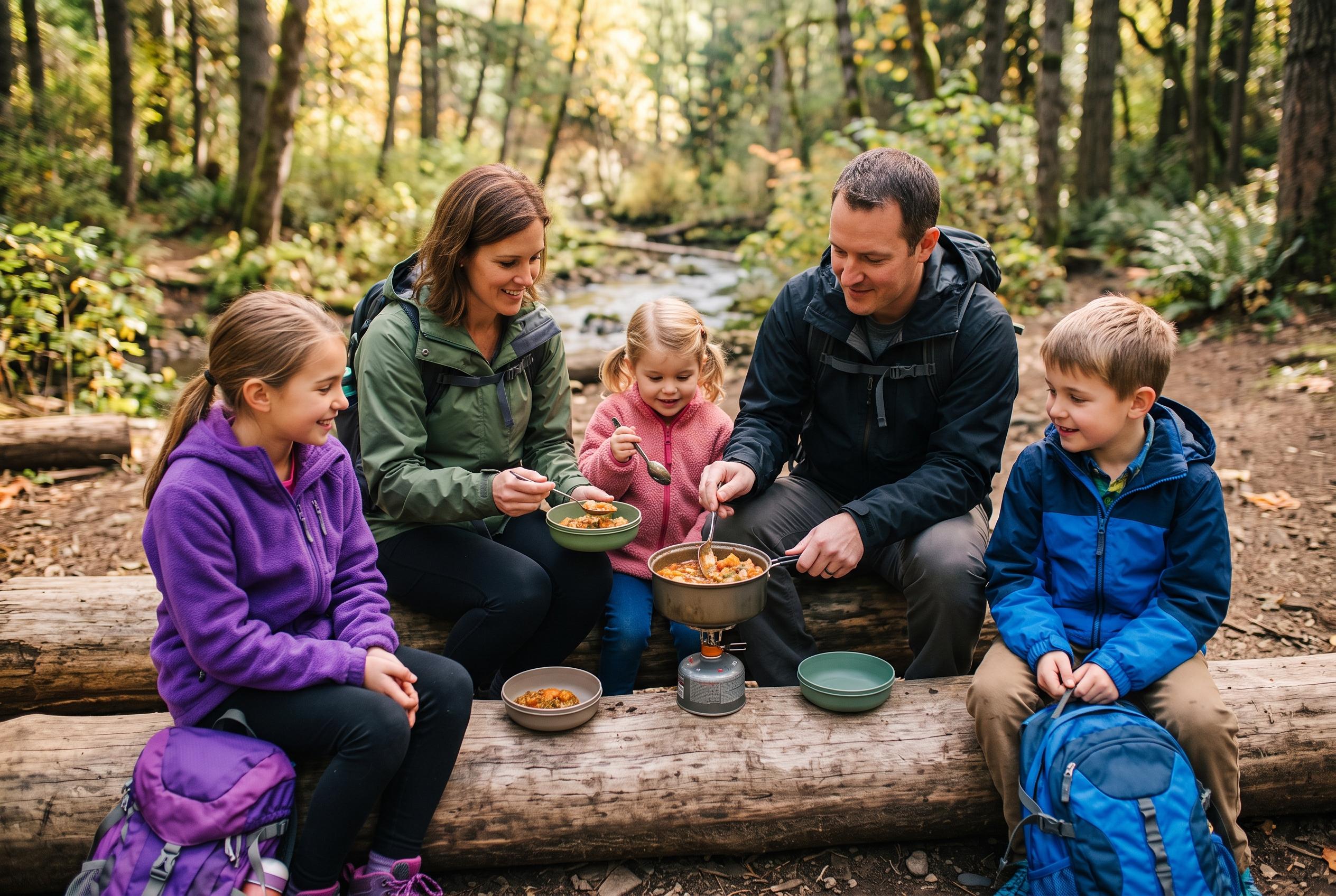

A family’s deliberate shift to outdoor activities reveals significant physical, mental, and emotional benefits for children, highlighting the importance of spending time in nature across seasons and ages.
For one family, weekends had settled into a familiar routine: school, work, screens and the sofa. The turning point came when they began making a deliberate effort to get outdoors, choosing parks, forests and open spaces over another afternoon inside. What started as a simple change of habit soon became a reminder that children often need little more than space, movement and something interesting to discover.
That idea is backed by health writers and paediatric specialists who say outdoor play supports children’s physical development, coordination, confidence and curiosity. Medical News Today and the American Academy of Paediatrics both note that activities such as running, climbing and balancing help build motor skills, while time away from screens can lift mood and encourage problem-solving. UCLA Health adds that time outside may also support mental wellbeing and, through sunlight exposure, help the body produce vitamin D, which is important for bone health.
Seasonal variety is part of the appeal. Spring brings birdwatching and early flowers, summer lends itself to bike rides and picnic days, autumn turns woodland paths into places for leaf-collecting and muddy adventures and winter can be ideal for shorter, quieter walks if families dress properly. The family at the centre of the story found that changing locations and activities helped keep outings fresh, whether that meant a lakeside path, a cycle route or a simple stroll through a local park.
The article also reflects a broader point made by outdoor and parenting groups: the best activities are often the ones that can grow with a child. Younger children may be happiest on playgrounds or short trails, while older ones may prefer cycling or rougher terrain. Resources from the Appalachian Mountain Club advise parents to choose achievable routes and distances, keeping the focus on enjoyment rather than endurance.
Safety remains part of the picture. Comfortable footwear, waterproofs and snacks can make a day outside more manageable, while helmets are essential for bicycles, scooters and similar rides. The family also stresses the importance of respecting shared spaces, staying on designated paths where needed and being aware of walkers, cyclists and wildlife. Those basics, experts say, help turn an ordinary outing into one that feels easy as well as fun.
What the family discovered, however, was less about planning perfection and more about building a habit. By setting aside one weekend activity and letting children have a say in where to go, they found outdoor time became part of family life rather than a special occasion. Rain, mud and cancelled plans did not matter as much as the memory of being together outside. In the end, the lesson was simple: children do not need expensive entertainment to have a good day, only room to explore and the freedom to enjoy it.
Disclaimer: This content is for informational purposes only and is not intended to be a substitute for professional medical judgment, advice, diagnosis, or treatment.