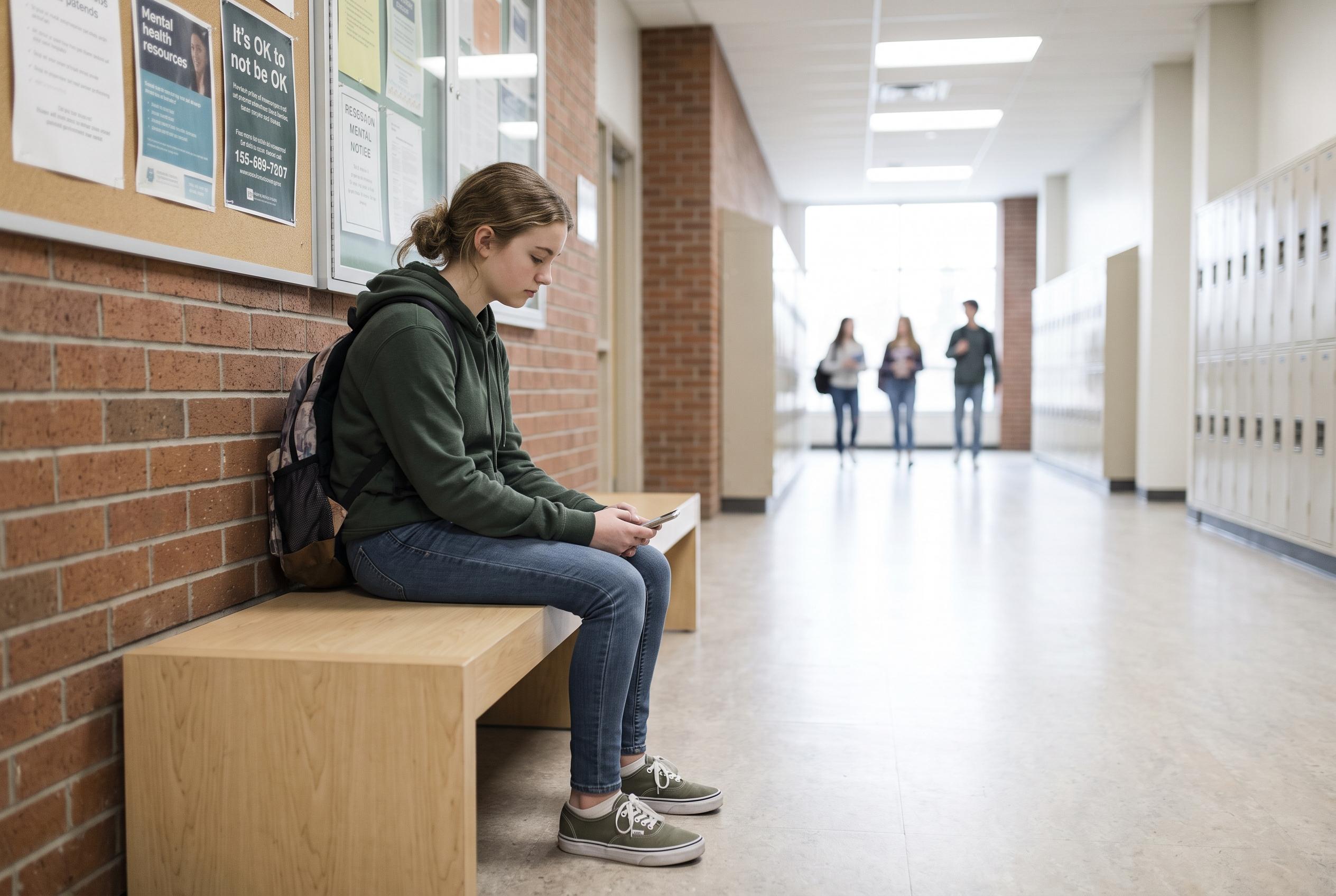

A new report reveals that over 20% of US adolescents suffer from anxiety, sparking concerns about treatment availability, the role of diagnosis, and the influence of parental and educational support systems amid rising mental health struggles.
Teenage anxiety is now common enough in the United States to be counted in the millions. A 2023 report on adolescent mental and behavioural health found that 20.3% of 12- to 17-year-olds had a current diagnosed condition, with anxiety the most common, and that diagnosed anxiety had risen sharply since 2016. Separate KFF analysis published in 2024 found that roughly 4.9 million adolescents reported moderate to severe anxiety symptoms, even as the share reporting a major depressive episode eased from the peak seen in 2021. Yet the scale of the problem has not been matched by easy access to care, with many teenagers still struggling to get treatment when they need it.
That tension sits at the heart of a widely discussed father-daughter account published in The Times, in which Guardian contributor Sarfraz Manzoor described the turmoil faced by his 14-year-old daughter, Laila. Her account of panic, school avoidance, an autism diagnosis and medication has been read by critics as a warning about how quickly ordinary adolescent distress can be recast as pathology. The Daily Sceptic’s response argued that once a young person is told she is broken, the label can become part of the illness rather than the cure.
National data help explain why the subject has become so charged. The 2023 report found that adolescents with a current diagnosis were three times more likely to be disengaged from school than those without one, while more than 61% of those who needed treatment said they had difficulty accessing it. Earlier research also suggests that school-based mental health support, though important, often drops away as teenagers get older, even as symptoms become more entrenched. In practice, that leaves many families bouncing between schools, counsellors, therapists and medication, often without a clear sense of what works best or how to measure progress.
The debate has also become a proxy argument about style: therapy, medication and highly specialised language on one side, firmer day-to-day parenting on the other. The piece by Mary Gilleece, an education support worker, contends that too much of the system is built around a feminised model of reassurance, diagnosis and accommodation that can leave fathers sidelined. That is a contested view, but it taps into a real anxiety among parents and clinicians alike: that the system can normalise fragility while struggling to restore confidence, routine and school attendance. For all the differences between families, the underlying message is stark enough. Teen mental health is rising, access remains uneven and the gap between diagnosis and recovery is still wide.
Disclaimer: This content is for informational purposes only and is not intended to be a substitute for professional medical judgment, advice, diagnosis, or treatment.