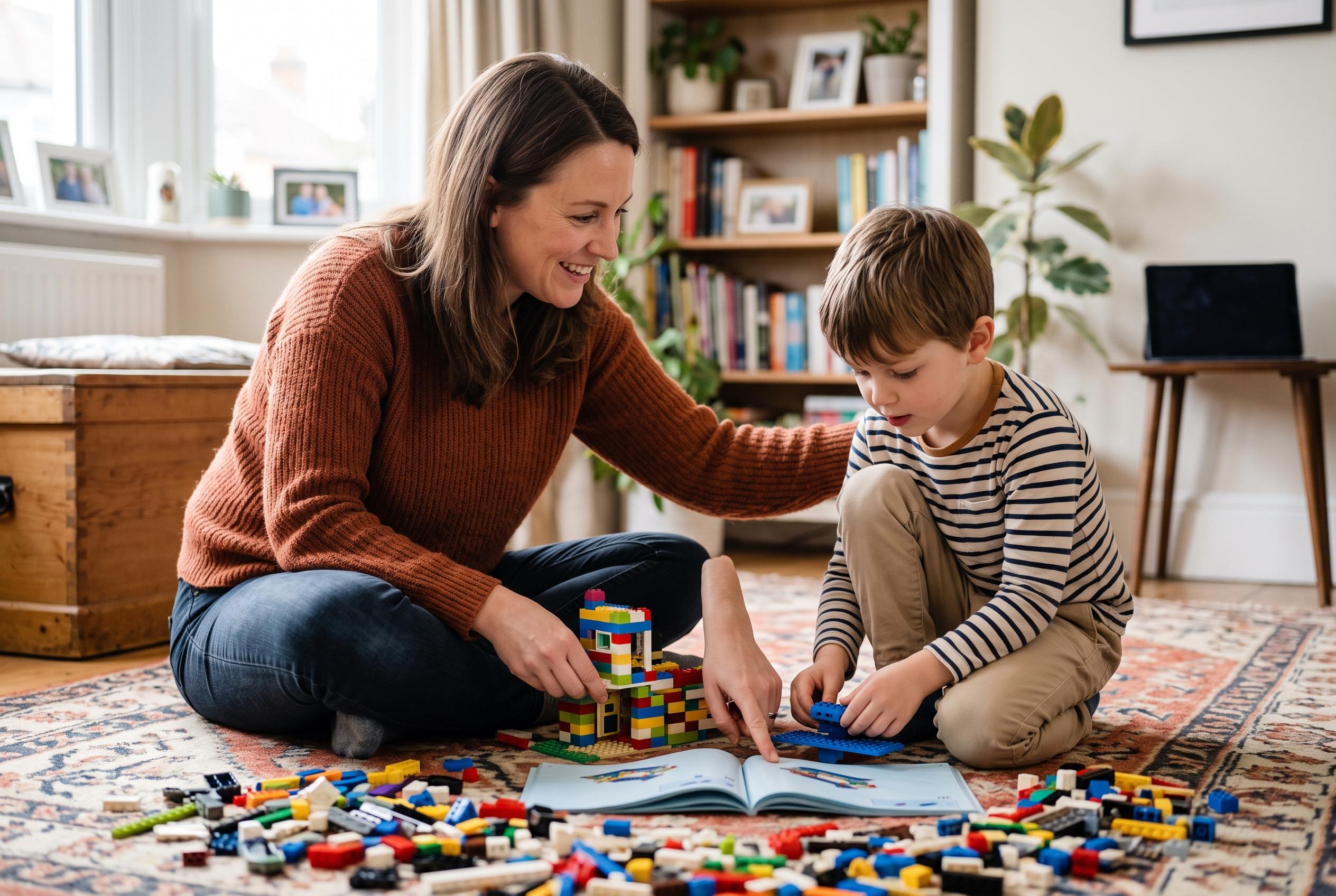

New research underscores that quality time, focused engagement and human connection, trumps mere proximity, highlighting the importance of mindful interaction over passive screen exposure for healthy childhood development.
Parents often reassure themselves that simply being nearby is enough. Meals are made, lifts are given, homework is checked and the household keeps moving. Yet proximity is not the same as attention, and children usually know the difference. The deeper gift, as the Good Men Project essay argues, is not more hours in the same room but fuller engagement in the moments that matter.
That distinction matters because childhood is built through interaction, not just supervision. The Cleveland Clinic says excessive screen time can displace physical activity, disrupt sleep and contribute to attention and emotional difficulties, while a review in the National Centre for Biotechnology Information found links between heavier screen use and weaker physical, cognitive and social outcomes. In other words, the concern is not technology itself but what happens when it begins to crowd out real conversation, play and reassurance.
The article’s central point is that presence does not require elaborate plans or endless stamina. Sometimes it is as simple as putting down a phone, making eye contact and asking one more question. A short game on the floor, a shared puzzle or a walk while talking about the day can matter more than an expensive outing, because these small exchanges teach children that they are worth listening to.
Researchers have increasingly pointed to the developmental costs of too much passive screen exposure in early childhood. A study highlighted by Healthline found that infants with longer daily screen time were more likely to show communication and problem-solving delays later on, while a review published by MDPI said overuse can affect language, attention, motor development and social-emotional skills. The findings do not mean screens have no place in family life or classrooms, only that balance and adult guidance remain essential.
That is where the article’s strongest argument lands: children learn relationships by experiencing them. They absorb patience, empathy and emotional regulation from the adults around them, and they remember how they felt in those exchanges long after they forget the toy, programme or outing. As Time has reported in covering screen-time research, the risk in early childhood is not merely lost entertainment time but missed opportunities for direct learning through human contact.
Disclaimer: This content is for informational purposes only and is not intended to be a substitute for professional medical judgment, advice, diagnosis, or treatment.