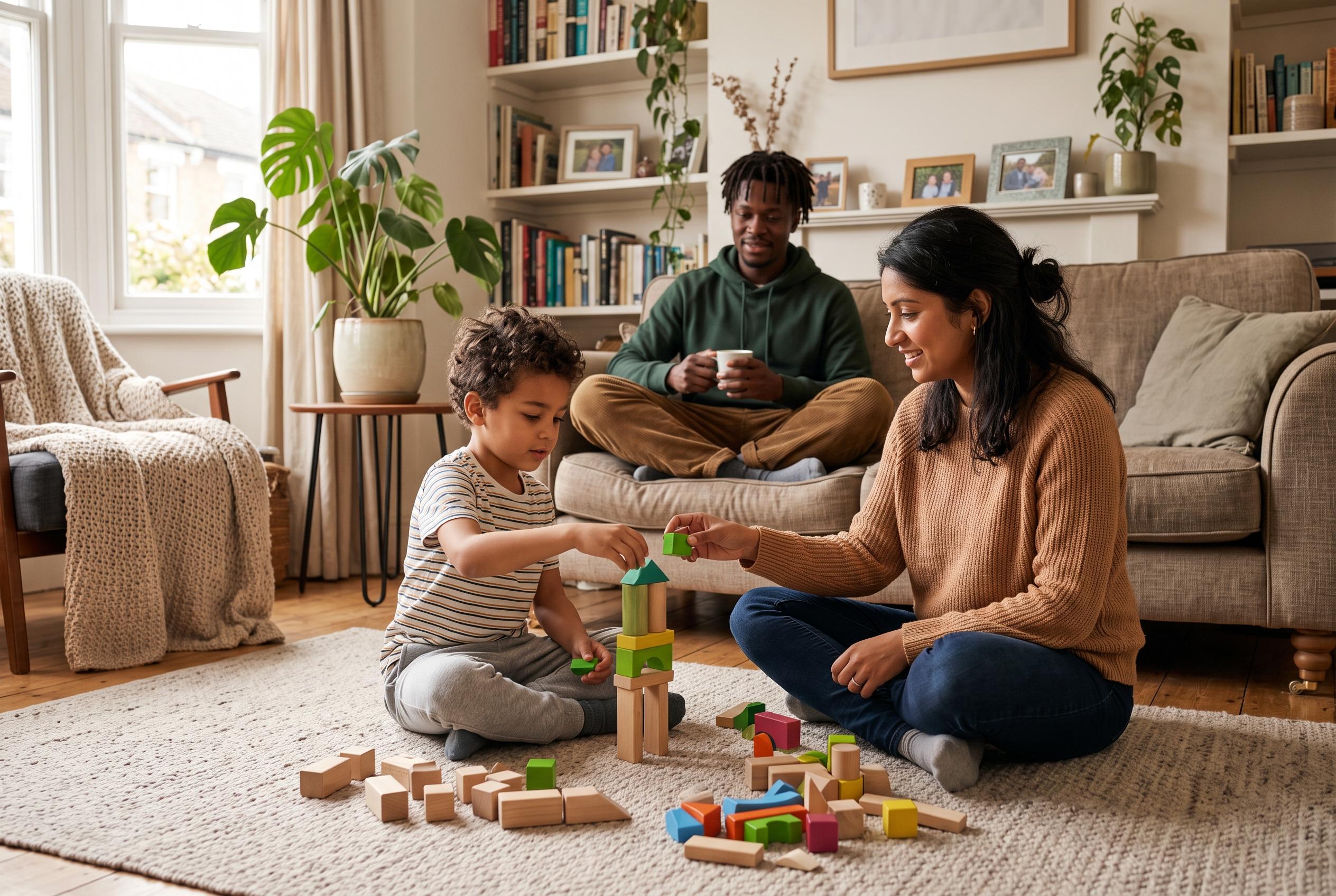

A quiet revolution in parenting is underway as families reconsider trends like gentle parenting, social media sharing, and structured schedules, favouring boundaries, privacy, and unstructured play for healthier child development.
What once looked like modern parenting wisdom is now being reconsidered in many homes. Across online forums and family conversations, parents appear less interested in chasing the latest trend and more focused on what actually works day to day. The result is not a wholesale rejection of new ideas, but a quieter shift towards limits, privacy, independence and a less performative version of family life.
One of the clearest examples is gentle parenting. For years, the approach was sold as a calmer alternative to shouting and punishment, built around emotional validation and negotiation. But as Simply Psychology noted in May 2026, the core of the method is strongest when it resembles authoritative parenting: warm, responsive and firm. The problem comes when empathy slides into permissiveness, leaving parents exhausted and children without clear boundaries.
That tension has helped fuel a backlash. The Guardian reported in January that a more hard-edged style, often described as “Fafo” parenting, has emerged as a reaction to gentleness taken too far. Its advocates argue that children need to experience natural consequences and develop independence. Critics warn that if the approach is used carelessly, it can erode trust rather than build resilience. ParentMap made a similar case in March, saying empathy and consistency work best together.
A separate rethink is playing out online, where many parents are becoming more cautious about sharing their children’s lives. Posting milestones once seemed harmless, but concerns about privacy, cyberbullying and identity theft are pushing some families to stop treating social media as a family album. Research cited in recent reporting suggests many parents have already shared child-related content online, but a growing number are now using private accounts or closed family chats instead.
The same wariness is shaping attitudes to artificial intelligence. Chatbot companions, once a novelty, are now being used by children for homework help, reassurance and conversation. Reports from 2025 and 2026 have raised concerns about emotional dependence, particularly after cases involving children who formed deep attachments to these systems. Some parents are responding by banning the apps outright, rather than waiting for regulators to catch up.
Screen use is also under fresh scrutiny. Tablets, smart speakers and smartwatches are now routine in many households, but parents are questioning whether constant digital access is really benign. Even official guidance has started to shift, with paediatric advice moving away from simple hourly limits and towards a broader view of how media is used. At the same time, new restrictions on social media for younger users in several countries have encouraged some American families to tighten rules before their children reach their teens.
Another trend losing favour is the idea of childhood as a race to build a resume. Packed schedules filled with lessons, sports and tutoring were once presented as giving children an advantage. Increasingly, though, parents are leaving more empty space in the calendar. Many now see unstructured play as more important than another activity designed to look impressive on a college application.
Even praise is being reconsidered. Endless applause for every small effort can feel supportive in the moment, but some parents now worry it teaches children little about effort, consequence or disappointment. Rather than handing out rewards for everything, they are trying more specific feedback and allowing safe natural consequences to do the teaching. It is a quieter, less polished style of parenting, but for many families it feels more honest.
Disclaimer: This content is for informational purposes only and is not intended to be a substitute for professional medical judgment, advice, diagnosis, or treatment.