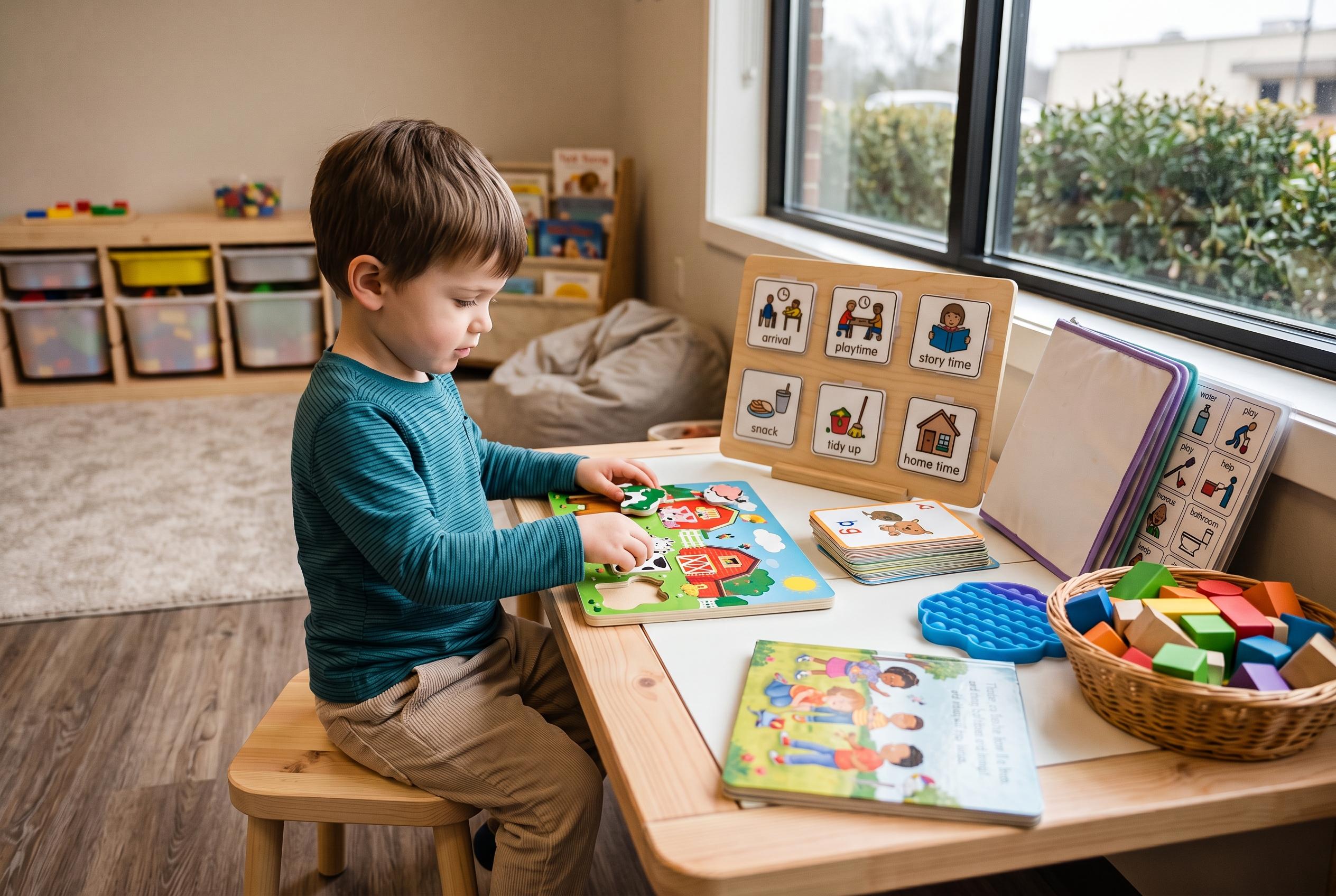

Understanding autism as a lifelong neurodevelopmental condition with varied presentations, experts emphasise the importance of early detection and personalised support to enhance communication, learning, and inclusion.
Autism spectrum disorder is a lifelong neurodevelopmental condition that affects how a person understands social situations, communicates and responds to the world around them. According to CubaHora, its features can vary widely: some people have pronounced difficulties with social cues and unplanned conversation, while others manage those exchanges more effectively, particularly when routines are clear and their interests are highly focused.
What the condition does not represent is equally important. Autism is not an illness that needs curing, but a different way of developing that comes with its own strengths, challenges and support needs. That is why specialists emphasise that there is no single presentation of autism and no single pathway through life for people on the spectrum.
Early detection can make a substantial difference. The US Centres for Disease Control and Prevention says diagnosis depends on a child’s developmental history and behaviour rather than a blood test or other medical analysis. It also warns that some people are not identified until adolescence or adulthood, which can delay support that might have helped earlier.
Signs may emerge in the first years of life and can include limited eye contact, delayed speech, difficulties with social communication or repetitive behaviour. The CDC and the US National Institute of Child Health and Human Development say early diagnosis is often followed by targeted intervention, which may include speech therapy, family training and other educational or health services. Research reviewed in ScienceDirect likewise underlines the importance of acting early, particularly for children aged 0 to 6, because timely support can improve communication, learning and everyday functioning.
A full assessment is usually carried out by a team rather than through one isolated test. CubaHora says this can involve paediatricians, psychologists, neurologists, child psychiatrists and educational specialists, who observe behaviour, interview parents or carers and use tools designed to assess development. The wider aim is not only to identify need, but to help families access practical guidance and to build more inclusive schools and communities.
Disclaimer: This content is for informational purposes only and is not intended to be a substitute for professional medical judgment, advice, diagnosis, or treatment.