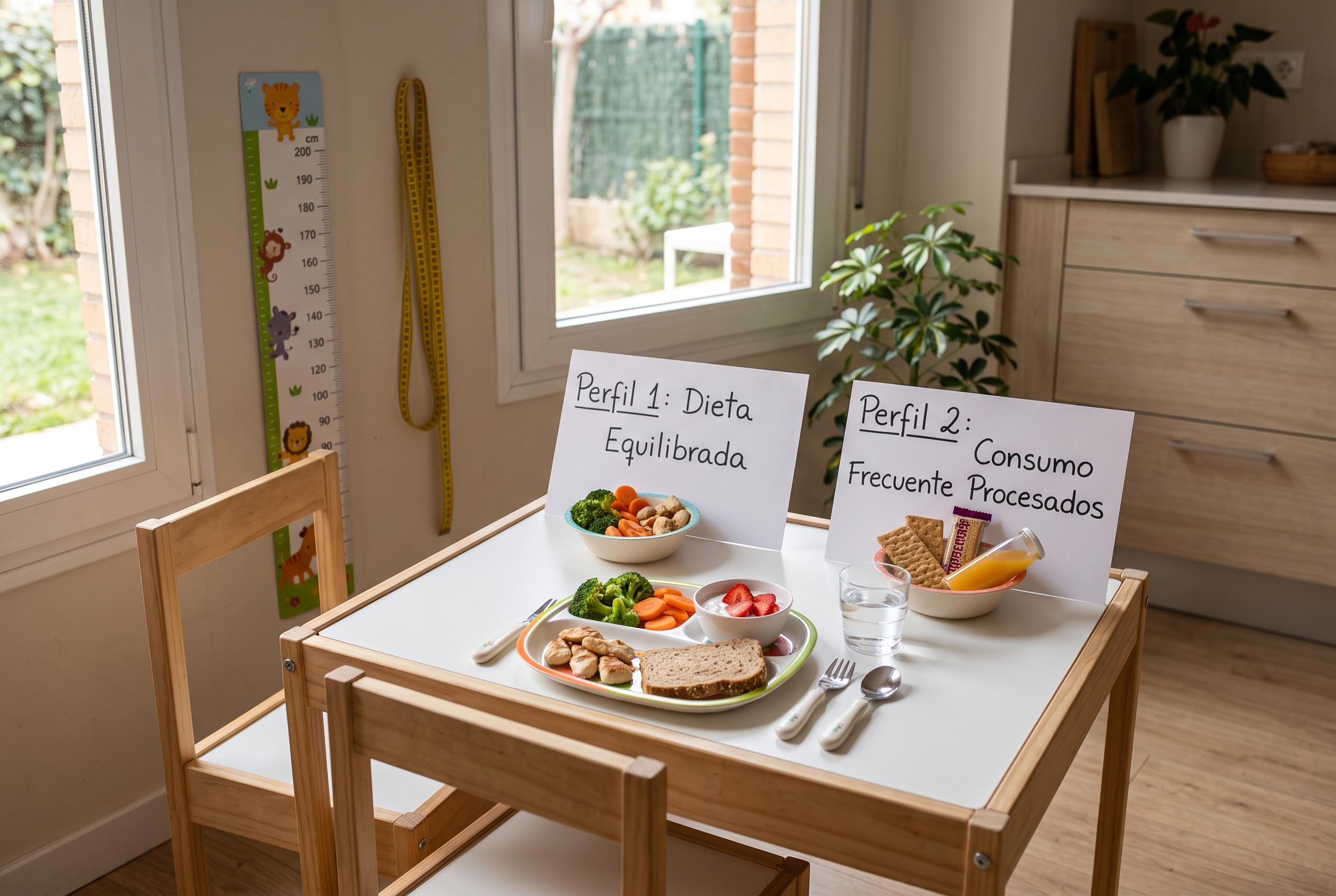

Research from Spain identifies four distinct eating behaviour profiles in preschool children, highlighting sex differences and early indicators of body composition that could inform targeted obesity prevention strategies.
Spanish researchers have identified four distinct eating behaviour patterns in preschool children and found that those profiles were linked to body composition in ways that differed slightly between girls and boys, according to work from the CORALS cohort published in the Wiley journal Obesity. The study examined children aged 3 to 6 across seven Spanish cities and used the Child Eating Behavior Questionnaire to sort youngsters into groups described as avid, typical, controlled and avoidant eaters.
The findings suggest that food approach traits, such as enjoyment of food and responsiveness to food cues, tended to go hand in hand with higher measures of body fat and, in some cases, greater fat-free mass. By contrast, food avoidance traits, including fussiness, slow eating and early fullness, were generally associated with leaner body composition. The pattern broadly matched earlier research from the Netherlands and the US showing that appetite-related behaviours in childhood can track with later changes in weight and adiposity, and that the relationship may run in both directions.
One notable feature of the Spanish study was the sex-specific signal in the controlled eater profile. Among girls, that profile was linked to lower fat-free mass, while among boys it was associated with higher fat-free mass. The authors suggest that this may reflect early developmental differences, as well as differences in how eating traits are expressed within broader behavioural patterns. They also point to previous CORALS findings showing that eating behaviours are related to diet quality in preschoolers, with food approach linked to a more varied diet and food fussiness tied to poorer intake of fruits, vegetables, fish and pulses.
The study also adds to growing evidence that preschool eating behaviour is worth watching well before weight problems become obvious. Earlier CORALS research found that stronger adherence to a Mediterranean-style diet was associated with lower BMI, more fat-free mass and a healthier waist-to-height ratio. Together, the findings reinforce the idea that appetite traits, food choices and body composition are intertwined early in life and may help clinicians identify children who could benefit from closer monitoring or family-based guidance.
The authors caution that the study was cross-sectional, so it cannot show cause and effect. Parent-reported diet and lifestyle measures may also have introduced bias. Even so, the researchers say the work is unusual in combining profile-based analysis with several objective body composition measures, including fat mass, fat-free mass and waist-to-height ratio. That, they argue, gives a more detailed picture than BMI alone and may help shape more tailored approaches to obesity prevention in early childhood.
Disclaimer: This content is for informational purposes only and is not intended to be a substitute for professional medical judgment, advice, diagnosis, or treatment.