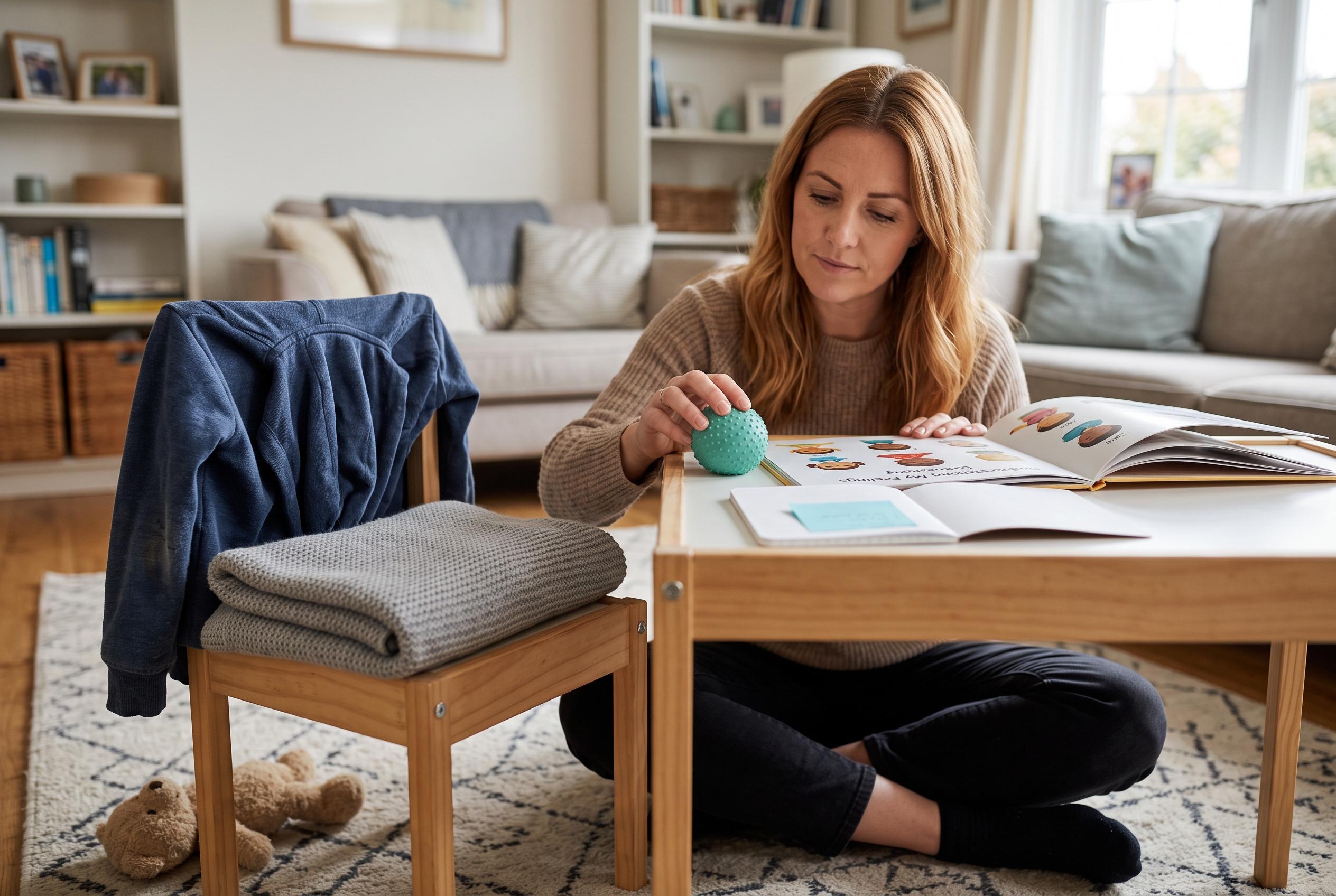

Understanding the hidden signs of emotional distress in children can help parents provide timely support. Experts emphasise recognising patterns of behaviour and offering calm, consistent responses to foster emotional well-being.
Children rarely announce emotional distress plainly. More often, it shows up as a slammed door, a sudden stomachache, a sharp reply or a child who has gone from chatty to monosyllabic. Parents can miss those shifts because young children often lack the language to explain what is happening inside them, while older children and teenagers may hide discomfort behind irritability, silence or a quick “I’m fine”. The first step is noticing that a pattern has changed.
That is why child behaviour experts urge parents to look for clusters of signs rather than one-off bad days. UNICEF says distress can appear as withdrawal, aggression, defiance, excessive worry or physical complaints such as headaches, stomach pains, dizziness and tiredness. The Mayo Clinic adds that changes in sleep, appetite, school performance and concentration can also signal deeper problems, especially when they persist. In older children and teenagers, HealthyChildren.org notes that pulling away from friends and family, losing interest in familiar activities or refusing to discuss what is bothering them can be particularly important warning signs.
Parents often mistake these changes for moodiness or misbehaviour, but the underlying feeling is frequently anxiety, shame, fear or hurt. Cleveland Clinic says significant shifts in sleep, hygiene, appetite or personality, along with repeated self-destructive behaviour or unusual defiance, can be a sign that a child may need therapy. Child Psychiatry Today similarly stresses that warning signs are patterns, not labels, and become concerning when they interfere with sleep, friendships, learning, family life or safety. The message across these sources is consistent: when the behaviour feels out of character and does not pass, it deserves attention.
What helps most is usually not a lecture or an immediate fix. Child specialists recommend listening first, naming the feeling and keeping the home response calm and steady. Simple acknowledgement can help a child feel understood: a parent who says a situation sounds frightening or frustrating is giving the child language they may not yet have. Regular, low-pressure connection also matters. A few minutes of undistracted time can do more than one big conversation forced at the wrong moment.
Experts also advise parents to seek extra help when the signs last for weeks or begin to affect daily life. School refusal, major changes in sleep or eating, social withdrawal, persistent anxiety and any mention of self-harm call for prompt professional support. None of that means a parent has failed. It means the child needs more help than family reassurance alone can provide, and getting that help early can make a real difference.
Disclaimer: This content is for informational purposes only and is not intended to be a substitute for professional medical judgment, advice, diagnosis, or treatment.