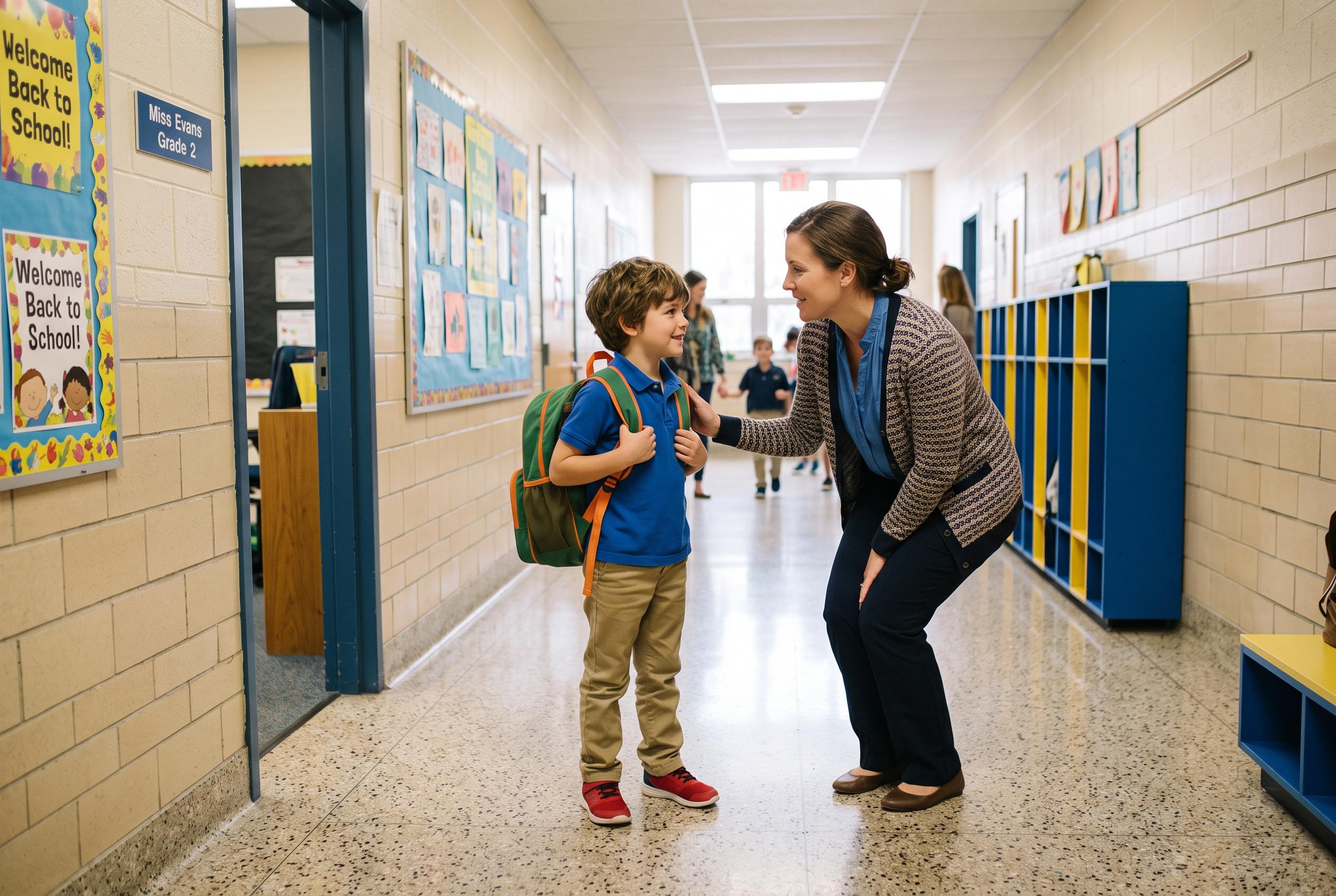

Expert guidance highlights simple, early preparations and personalised support strategies to ease children’s anxiety and foster confidence during school transitions, with a focus on communication, familiarity, and gradual adjustment.
Starting at a new school or moving into a different year group can unsettle even confident children, but for others the shift can be overwhelming. New teachers, new routines, unfamiliar buildings and the pressure of making friends can quickly tip into anxiety. The most effective support, child psychologists and family wellbeing guides say, is often simple: prepare early, keep communication open and make sure school understands what your child needs. According to Everlief clinical psychologist Lucy Russell, the aim is not perfect preparation but a plan that helps a child feel safer and more able to cope.
One of the most useful steps is to speak to school before difficulties begin. Parents should tell the relevant teacher, head of year or pastoral lead exactly what tends to trigger stress, whether that is crowded corridors, organisation, changing rooms or asking for help. US children’s hospital guidance and mental health resources also stress the value of validating worries, easing transitions gradually and giving children time to settle into a new environment.
A brief profile of the child can also make a difference. Russell recommends a one-page summary covering strengths, interests, pressure points, signs of overload and what helps with regulation. That kind of snapshot can save children from having to repeat themselves to different staff and can help adults make small adjustments before problems escalate. Child wellbeing organisations note that this is especially helpful for children who struggle with anxiety, neurodivergence or a history of difficult transitions.
Friendships matter too. For many children, one trusted friend offers enough reassurance to make the first weeks manageable, and schools are often willing to consider keeping children together where practical. Outside school, parents can help by arranging time with familiar friends before term starts and in the first few weeks back. Guidance from child mental health groups also suggests involving children in enjoyable activities and social contact to reduce the sense of isolation that can come with a new start.
Making the unknown feel familiar is another recurring theme across expert advice. Families can use the summer break to learn who will teach the child, where they will go, what they need to bring, where lunch will happen and who to ask for help. Visiting the building, walking the route and creating a simple visual guide with maps or photographs can reduce uncertainty. Some children also benefit from shopping for supplies, practising the journey or rehearsing how to ask for assistance.
For children who need more than standard transition arrangements, schools may offer extra visits, buddy systems, peer mentoring, regular check-ins or a named adult. Experts say even a brief daily contact in the first weeks can stop worries from building. At home, the message is to keep routines steady, protect sleep and downtime and provide more nurture rather than less while the child is adjusting. Several parent resources also advise keeping family schedules realistic and avoiding overloading children with too many activities at once.
If a child is already struggling, the first task is to identify the main pressure point, whether that is anxiety, academic demands, sensory overload, friendships or organisation. From there, parents and school can agree one concrete adjustment, such as arriving early to avoid crowded hallways or checking the timetable before each lesson. Small changes can have an outsized effect. The broader lesson from the guidance is clear: transitions are rarely made easier by pushing for independence too soon. Children often need predictability, patience and practical support before they can settle and thrive.
Disclaimer: This content is for informational purposes only and is not intended to be a substitute for professional medical judgment, advice, diagnosis, or treatment.