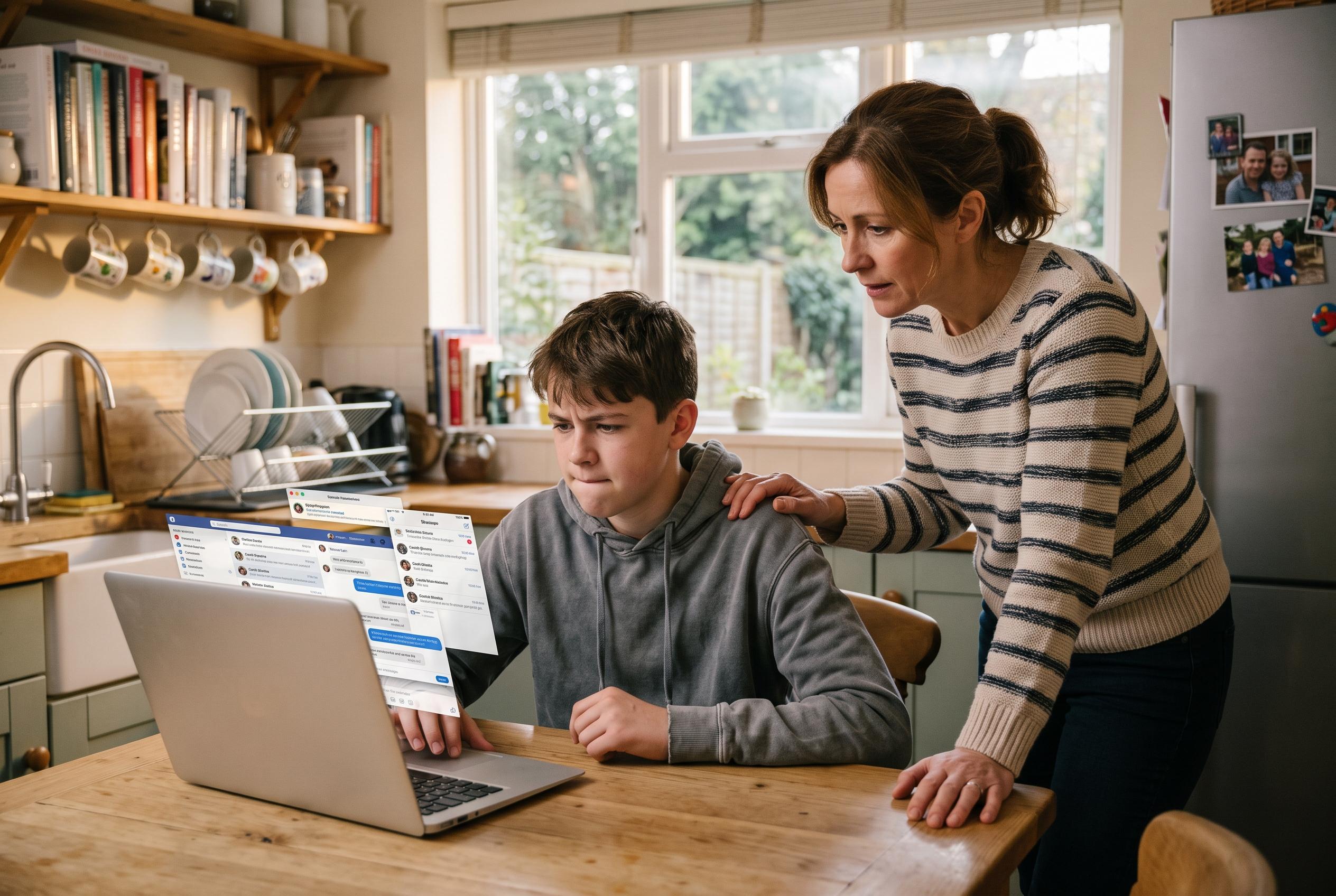

As peer pressure extends into the digital realm, vulnerable teenagers, especially those with incarcerated family members, face heightened challenges balancing belonging and mental well-being. Experts emphasise that supportive relationships and reconnecting with positive activities are key to resilience.
For many young people, the hardest part of peer pressure is not the choice itself but the fear of standing apart. The worry is less about wanting trouble and more about what happens if they refuse to go along. That tension can be especially sharp for families trying to understand why a teenager who seems fine at home may feel cornered by friends, school and the need to belong.
The pressure is broad and persistent. Pew Research Centre reported in March 2025 that 68% of teens feel strong pressure to get good grades, while 47% say they feel pressure to look good and 41% feel pressure to fit in socially. Another study highlighted by Scripps News found that 44% of American teens aged 11 to 17 feel pushed to be online or on social media, a sign that digital life now adds another layer to the old problem of keeping up. Pew has also reported that 97% of U.S. teens use at least one major online platform, which helps explain why approval, comparison and exclusion can travel so quickly.
The stakes can be even higher for young people with an incarcerated parent or sibling. The blog notes that the risk of giving in is greater in those families, and research from the National Bureau of Economic Research supports that concern, finding that children with incarcerated parents are more likely to engage in teen crime and face weaker employment prospects later on, particularly in disadvantaged households. That does not mean the young person is destined for trouble. It does mean stress, shame and stigma can make it harder to make safe choices in the moment.
Experts and advocates say the most useful response is usually not a lecture but a relationship. The blog urges teens to find an adult or mentor who will listen without judgement, and to reconnect with activities that reinforce identity, whether that is sport, music, family responsibilities or a trusted peer group. That advice fits with wider concerns about adolescent mental health: in a 2019 Pew survey, 70% of teens said anxiety and depression were major problems among their peers. For families, the message is simple if not easy: mistakes do not have to define a young person, and support is most effective when it helps them see a way forward rather than only the consequences of where they have been.
Disclaimer: This content is for informational purposes only and is not intended to be a substitute for professional medical judgment, advice, diagnosis, or treatment.