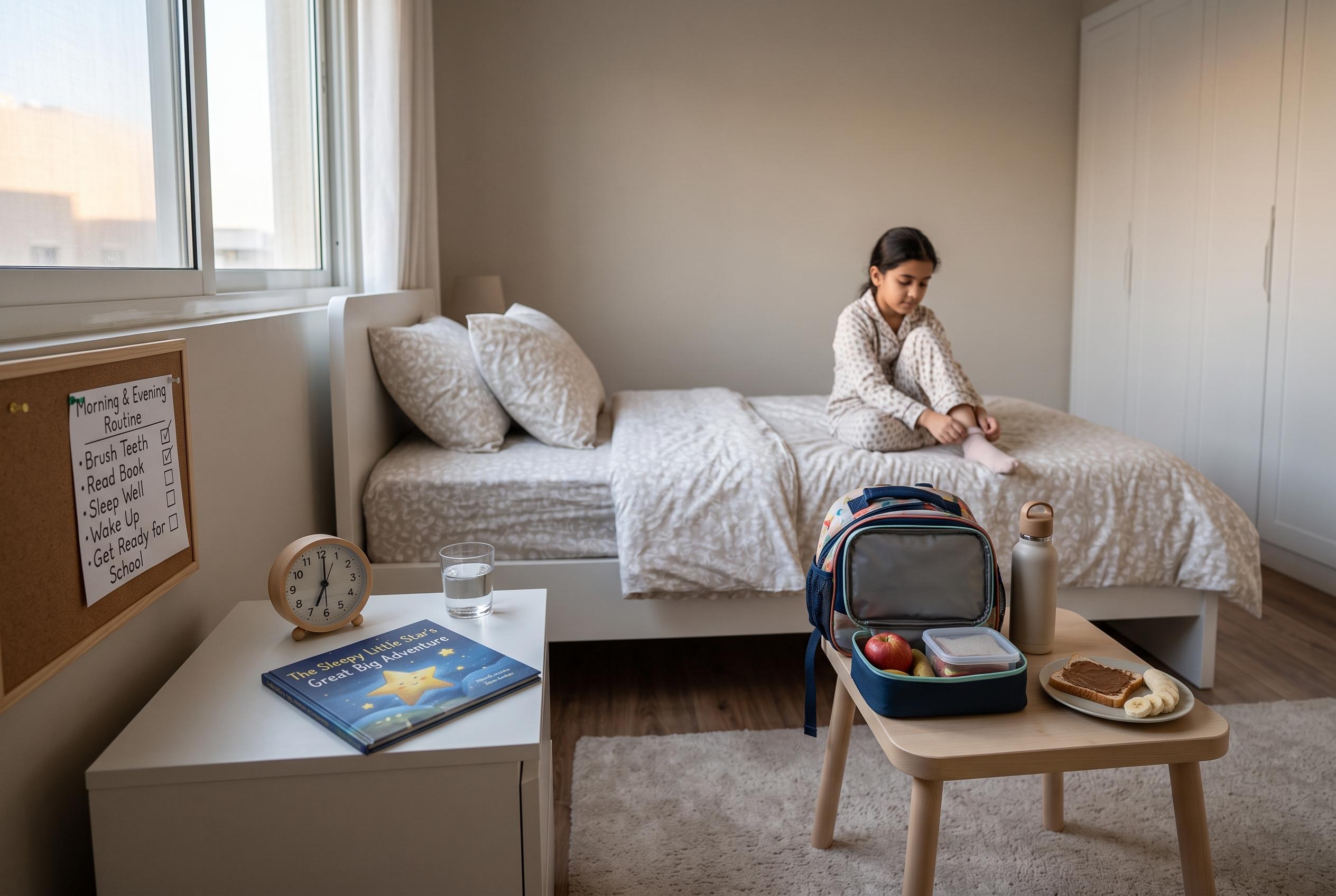

As the new school year approaches, Saudi social and health authorities emphasise the importance of adjusting sleep routines, managing anxiety, and fostering a balanced home environment to ensure children are prepared physically and mentally for returning to school.
With only days left before the new school year begins, social adviser Talal Mohammed Al-Nashri told Al-Youm that families can use the remaining holiday time to prepare children both physically and mentally for the return to class. He said a well-managed start to the academic year can improve concentration, support achievement and help students settle into their goals more smoothly.
Al-Nashri said preparation should go beyond buying school supplies and filling backpacks. For many pupils, the summer break brings late nights and irregular waking hours, which can make the first days back harder than they need to be unless families begin adjusting routines in advance.
He stressed the value of resetting the body clock gradually by moving bedtime and wake-up times earlier each day, while also making sure children get enough sleep for their age. He also warned against heavy screen use before bed, noting that light from electronic devices can interfere with the body’s production of melatonin, the hormone that helps regulate sleep.
The Saudi Ministry of Health has made similar recommendations, saying children often need reassurance about returning to school and benefit from discussions about their worries, earlier sleep schedules and, where possible, a visit to the school before term starts. The ministry says a supportive home environment can reduce anxiety and help students approach the new year with greater confidence.
The Ministry of Education has also promoted a preparatory week initiative designed to help pupils adapt to the school setting, ease fear and encourage social integration. Al-Nashri’s advice fits that broader message: that academic success depends not only on classroom work, but also on good sleep, sensible time management, regular exercise, a healthy breakfast and a balanced approach to study and leisure.
Disclaimer: This content is for informational purposes only and is not intended to be a substitute for professional medical judgment, advice, diagnosis, or treatment.