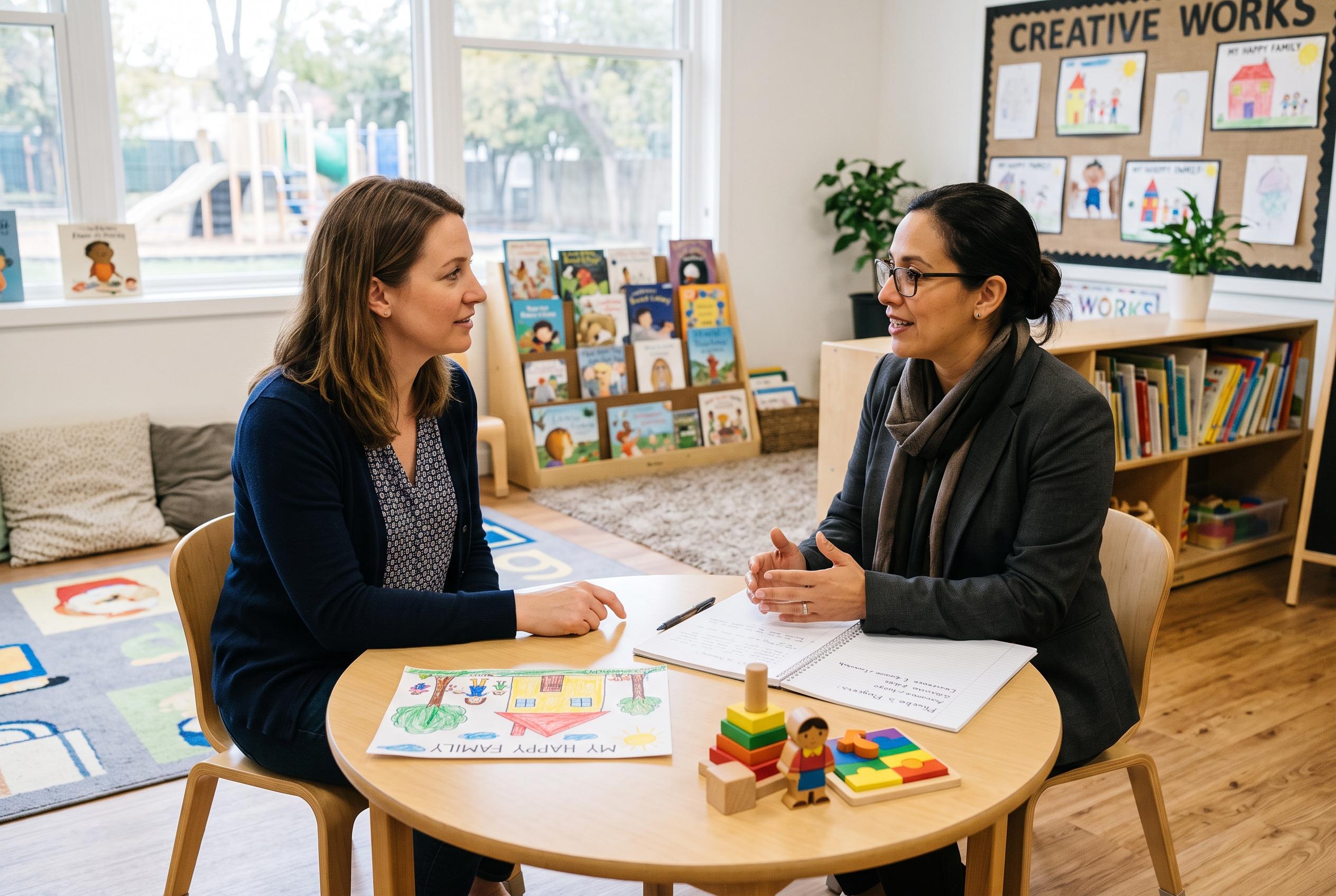

Parent-teacher meetings can go beyond academic scores, offering a valuable opportunity for parents and teachers to collaborate on supporting a child’s social, emotional, and personal growth, provided conversations are approached thoughtfully.
Parents often treat parent-teacher meetings as little more than a chance to check marks, but the discussion can reveal far more about a child’s progress. At Dharav High School in Jaipur, principal Nishi Dhanjal says the meeting is most useful when it is seen as a partnership, giving parents a clearer view of how a child is settling into class, handling friendships and managing confidence as well as schoolwork.
That means the conversation should move beyond scores. Parents can ask whether a child is learning concepts properly or simply memorising answers, which subjects come naturally and where extra help is needed. It is also worth finding out whether a child takes part in class discussion or hesitates to speak up, so the teacher can suggest ways to support learning at home.
Behaviour and emotional well-being matter just as much. According to guidance from several school and parenting resources, PTMs work best when parents ask about how a child interacts with classmates, handles group work and responds to the school environment. If there are signs of anxiety, reluctance to attend school or problems at home, sharing that information with the teacher can help both sides respond more effectively.
Teachers and parenting experts also say meetings are a good time to identify a child’s strengths, not just weaknesses. Some children may show talent in sport, art, music, leadership or science, even if they are not top performers academically. Recognising those interests early can help families and schools encourage development in a more balanced way.
The sources also warn against a few common mistakes. Parents should avoid comparing a child with siblings or top students, should not react angrily to criticism and should never shame a child in front of the teacher. A more productive approach is to keep the discussion calm, ask specific questions and leave with a practical plan for improvement rather than a list of complaints.
Disclaimer: This content is for informational purposes only and is not intended to be a substitute for professional medical judgment, advice, diagnosis, or treatment.