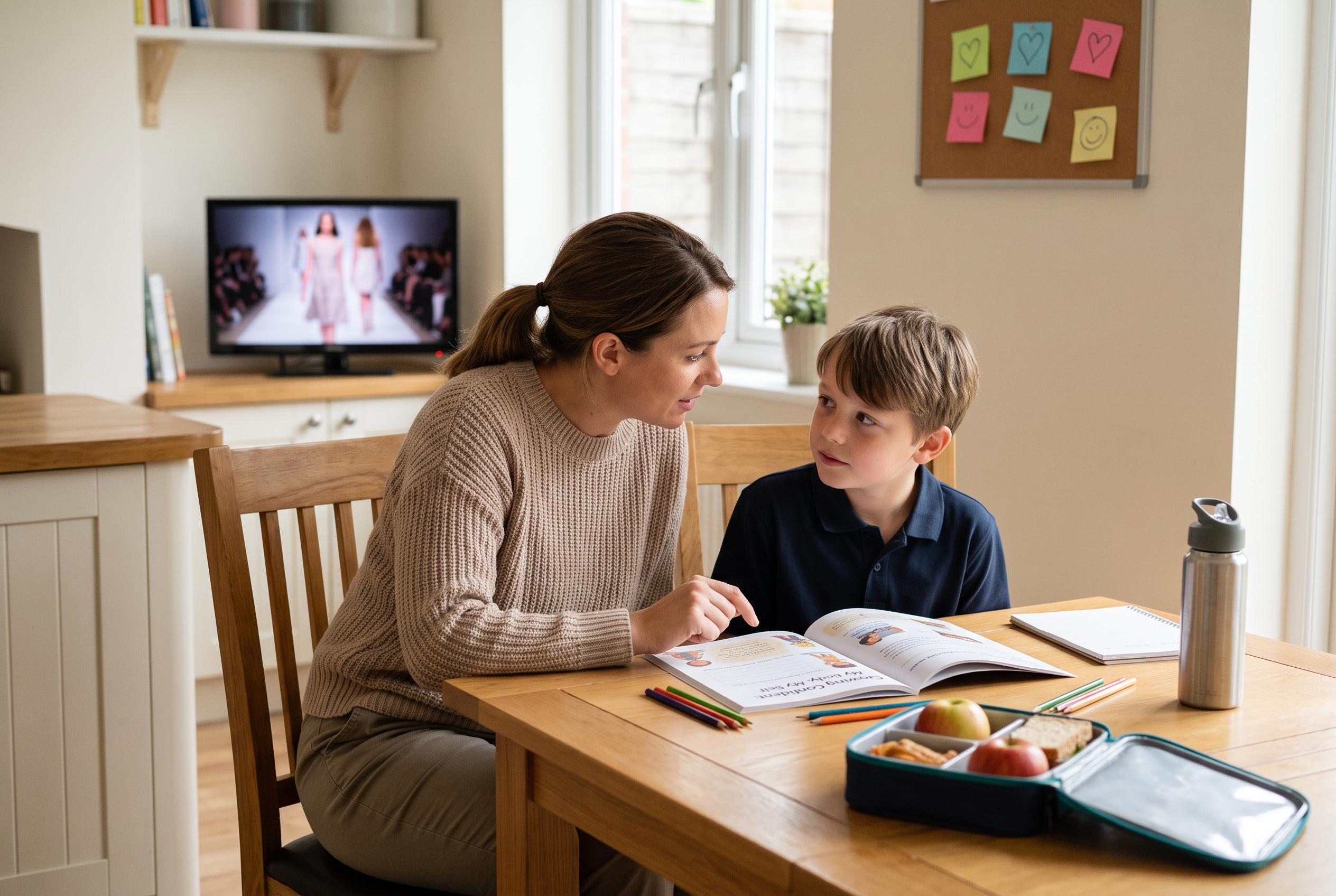

As the new school year approaches, experts emphasise the importance of supporting children’s self-esteem by fostering open conversations about body image, challenging media influences, and creating a supportive home environment from an early age.
As the school year approaches, parents are being urged to pay closer attention to the body image pressures children face long before they reach adolescence. In a Project Heal blog post, the organisation argues that summer’s focus on appearance is often replaced by a different set of comparisons once children return to classrooms, where peer approval, social media and beauty ideals can shape how they see themselves.
The piece says the conversation starts at home, whether parents intend it or not. Children absorb cues from comments about weight, appearance and dieting, as well as from what adults model in their own behaviour. Today’s Parent has similarly advised that parents create a supportive home environment that reinforces confidence rather than shame, while PBS KIDS for Parents says children are especially influenced by media messages that present narrow standards of attractiveness.
The Project Heal post also pushes back on a simplified version of body positivity that asks children, and adults, to feel grateful without first acknowledging discomfort or grief about their bodies. Instead, it suggests that parents make room for those difficult feelings rather than dismissing them. Planned Parenthood’s guidance for parents takes a similar practical approach, encouraging age-appropriate, open conversations about bodies, puberty and self-image from the preschool years through high school.
That guidance aligns with a broader push from self-esteem programmes aimed at families. Dove’s Self-Esteem Project says parents and mentors can help young people build resilience by offering tools, activities and conversations that counter negative media influence. A 2026 scoping review in Frontiers in Psychology found that parents often need more dedicated resources to recognise body image concerns and respond constructively, particularly in settings such as sport. Taken together, the message is clear: helping children develop a healthy relationship with their bodies is less about enforcing confidence than about giving them language, support and room to feel what they feel.
Disclaimer: This content is for informational purposes only and is not intended to be a substitute for professional medical judgment, advice, diagnosis, or treatment.