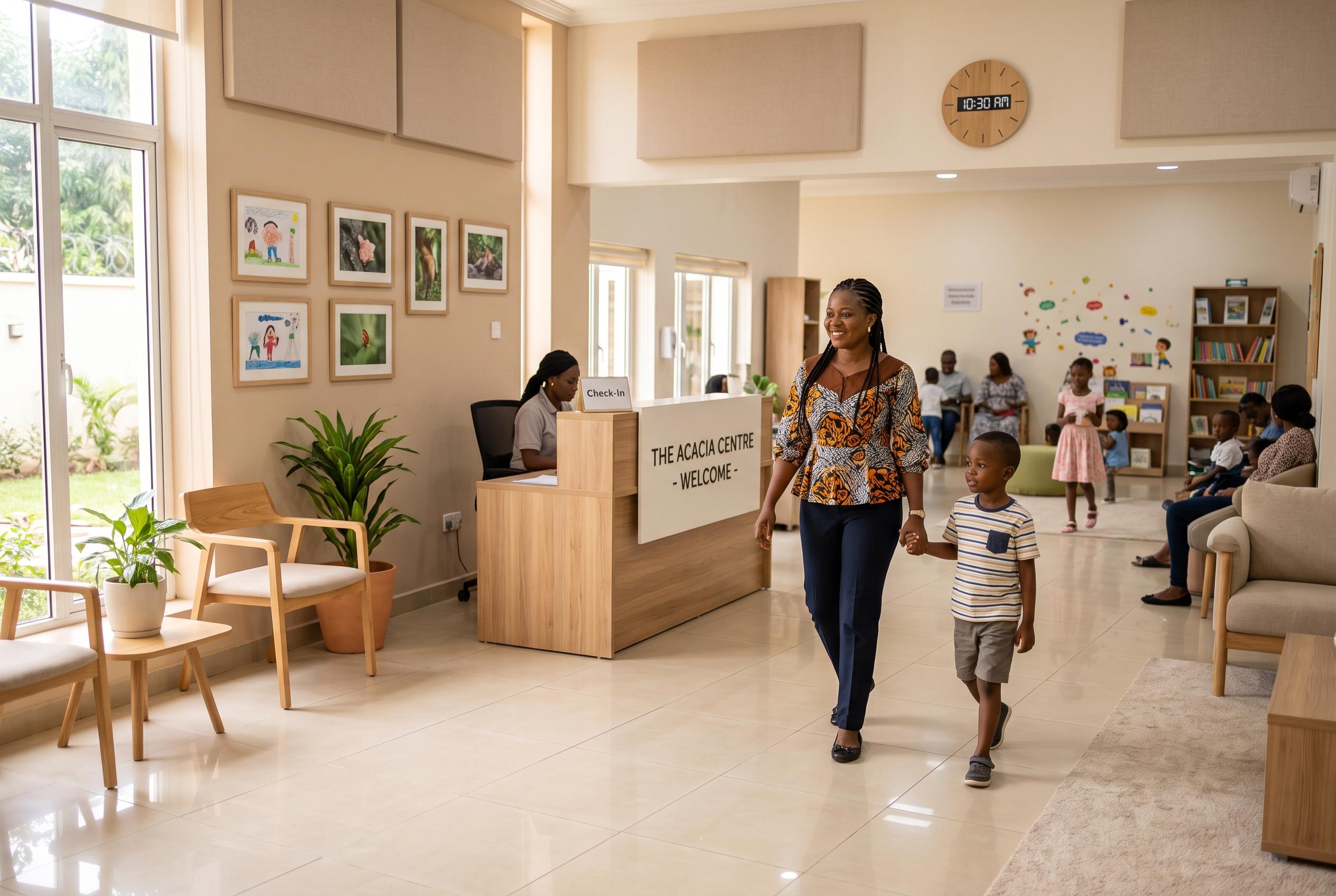

The Nigerian government is expanding specialist training and planning autism centres across all zones to address a rising autism prevalence and improve local diagnosis and support, marking a significant shift in the country’s neurodevelopmental health strategy.
Nigeria’s push to strengthen autism care is a welcome recognition that the country has for too long left too many families to navigate diagnosis and treatment alone. According to Education Minister Tunji Alausa, the government is expanding specialist training, investing in tertiary institutions and planning autism centres across the six geopolitical zones to address a chronic shortage of professionals in audiology, speech and language therapy and occupational therapy. The goal, he said, is to make quality care more accessible at home rather than forcing families to travel abroad for support.
That shortage has been acute. A report cited by This Day says about 1 in 100 Nigerian children live with autism, with no fewer than 600,000 children on the spectrum nationwide and about 2.4 million Nigerians affected overall. Those figures, even if conservative, point to a major public health and social policy challenge. Families often face delayed diagnosis, weak early intervention and limited classroom support, while stigma and misinformation still shape how many communities respond to neurodevelopmental conditions.
The government’s latest steps build on a broader effort to expand training pipelines. The Guardian reported that the administration wants degree programmes in occupational therapy, audiology and speech therapy to grow from 2 institutions to 20, and that Alausa has also inaugurated a committee to advance those disciplines within the education sector. In parallel, the Senate has begun work on legislation to establish a National Centre for Autism and six zonal centres, which would provide diagnosis, care, education support and inclusion services.
That wider framework matters because autism care cannot rest on health services alone. It also requires teacher training, early screening at primary healthcare level and sustained public education that reaches beyond major cities. Families need systems that identify children early, support them in school and give parents practical help rather than isolation. Nigeria now has a clearer sense of the scale of the challenge. The test will be whether policy moves quickly enough to match it.
Disclaimer: This content is for informational purposes only and is not intended to be a substitute for professional medical judgment, advice, diagnosis, or treatment.