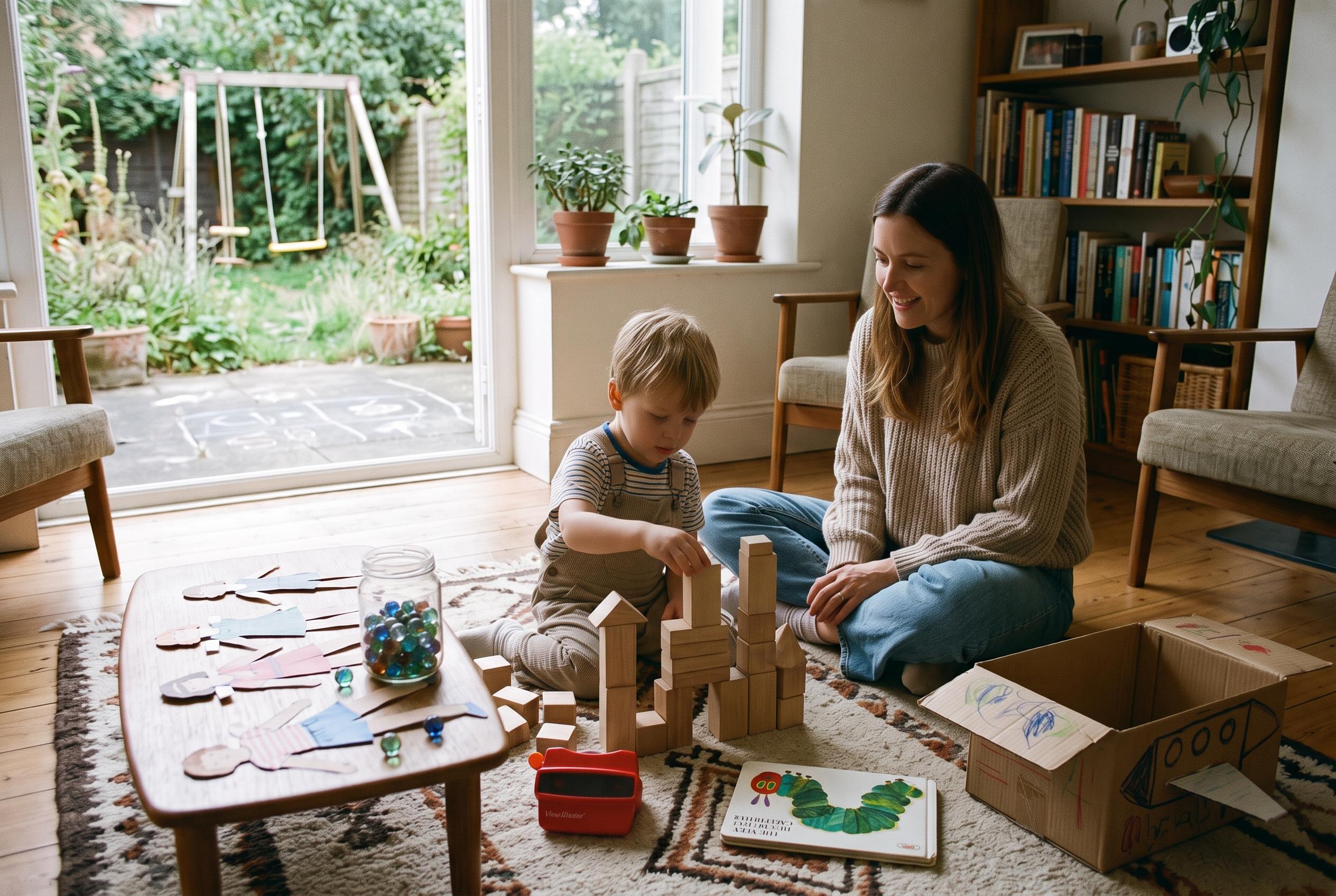

A growing movement inspired by 1990s childhood nostalgia aims to reconnect children with independence, imagination, and calm amid increasing digital distractions, reflecting broader desires for authentic, tangible experiences.
A small but growing corner of parenting culture is selling a return to the 1990s as though it were a remedy for modern childhood. The pitch is simple: fewer screens, more roaming, less adult direction and a slower pace that looks, to buyers, like a lost form of freedom. Yet much of what is being packaged as a decade-specific philosophy appears to be less about the 1990s than about a broader desire to recover independence, imagination and calm in an age of constant digital noise.
The movement has become a business as well as a mood. On social media, parents trade tips, courses and branded kits that evoke an analog childhood through friendship bracelets, retro imagery and quiet-time routines. The appeal is easy to understand when measured against how much time children now spend on devices. Common Sense Media has estimated that American tweens average about 5.5 hours of entertainment screen time a day, while teenagers average more than 8.5 hours, a scale that helps explain why so many parents are looking for an escape hatch.
Child-development specialists say some of the ideas being sold under the “’90s parenting” label are not especially nostalgic at all, but grounded in longstanding arguments about how children grow. Peter Gray, a developmental psychologist, has argued that independent play helps children solve problems, organise themselves and discover what interests them. Lenore Skenazy, who founded Free-Range Kids and Let Grow, has long made a similar case: that children learn confidence by being allowed to manage small risks and ordinary situations without constant adult intervention. Recent reporting and research discussed by Let Grow and The Washington Post have linked declining independence with rising anxiety in young people.
Still, nostalgia can blur into projection. Critics say some parents are not really recreating a past era so much as trying to soothe their own unease about the present. That tension also shows up in a separate trend among teenagers, who are increasingly gravitating towards tactile, offline hobbies such as painting and knitting, according to ParentMap. The appeal in both cases is not the calendar year itself but the same thing: a desire for experiences that feel less mediated, more tangible and, perhaps, more human.
Disclaimer: This content is for informational purposes only and is not intended to be a substitute for professional medical judgment, advice, diagnosis, or treatment.