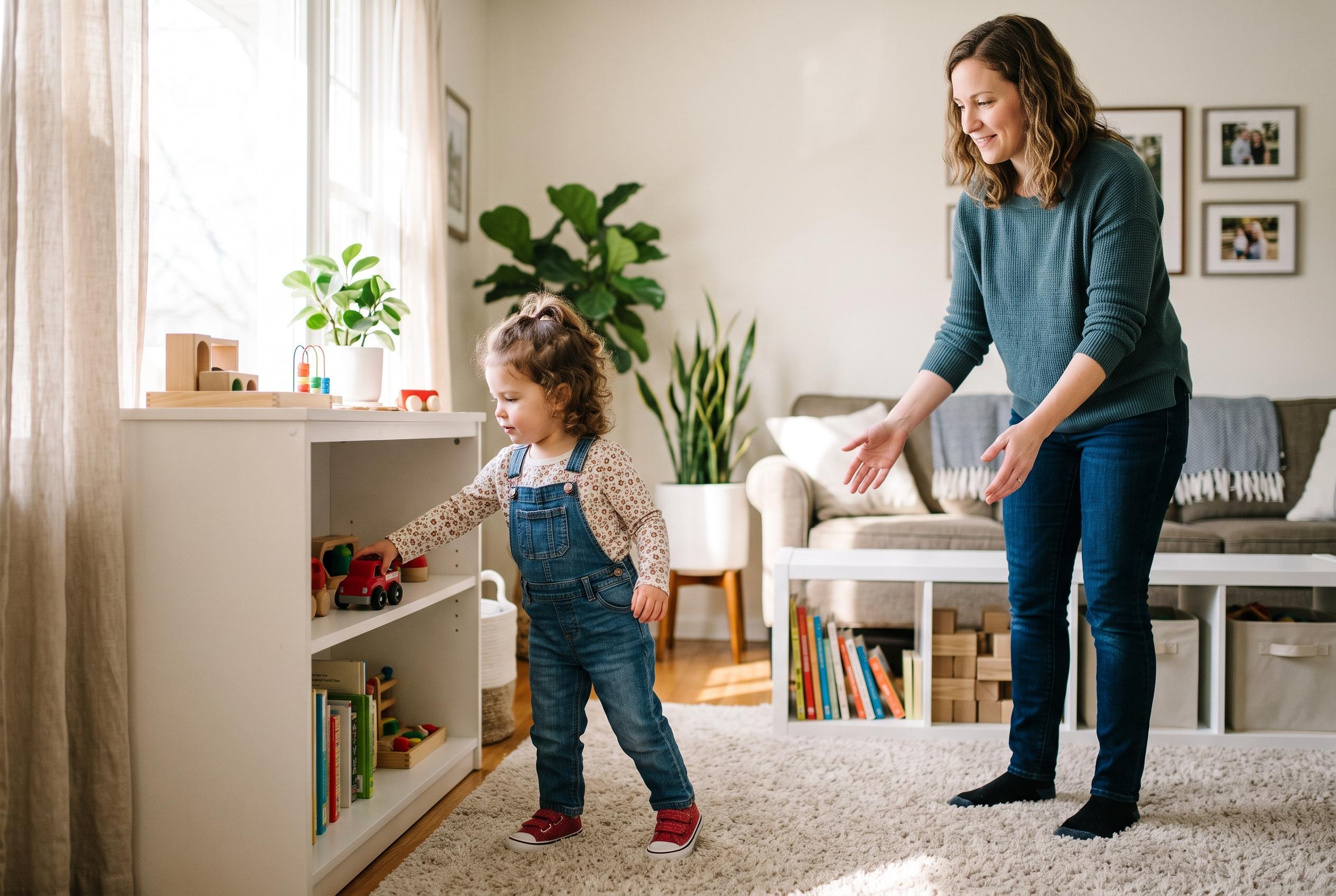

A new perspective on toddlers’ outbursts reveals that their behaviour often reflects a healthy desire for independence and self-expression, rather than defiance, and offers practical advice for caregivers on supporting their growth.
A toddler sprawled on the floor after a clothing struggle can look, to an exhausted caregiver, like a textbook case of the “terrible twos”. But the behaviour often has less to do with defiance for its own sake and more to do with a child’s fast-growing awareness that they are separate from other people and want some control over what happens to them. Resources from Simply Psychology, Zero to Three and the Child Mind Institute all point to the same developmental shift: around age 2, children begin asserting autonomy more forcefully, and “no” becomes one of their favourite words.
That push for independence can be frustrating in the moment, especially when a child refuses a nappy change, insists on dressing themselves or melts down when moved on to a new activity. Lindsay Barnhart, an assistant professor of early childhood education at the University of Wisconsin-Stout Polytechnic, writes that what adults often label a tantrum may actually be a young child’s attempt to communicate feelings with very limited language. Cleveland Clinic similarly notes that these outbursts are often the clearest way a small child knows how to express distress.
Barnhart argues that the best response is not to overpower the child but to meet them where they are. Offering limited choices, such as between two outfits or a few snack options, gives toddlers a sense of agency without handing over the whole decision. She also recommends keeping routines steady, since young children often cope better when they can anticipate what comes next. When a change is unavoidable, warning them in advance can soften the blow.
Language matters too. Toddlers frequently feel strongly long before they can explain what they are feeling, so adults can help by naming emotions and describing the situation calmly. That kind of narration does more than soothe the child; it can also help the adult shift from reacting to the behaviour to understanding the message behind it. Once everyone is calm, Barnhart says it is often useful to revisit what happened and practise a better response for next time.
The broader lesson is that independence at this age is not a problem to be stamped out but a developmental stage to be guided. Barnhart writes that children benefit from simple chances to do things themselves, even if the socks do not go on neatly the first time. For caregivers, the task is to balance patience, structure and flexibility, while recognising that a difficult moment may be a child’s earliest attempt at self-expression.
Disclaimer: This content is for informational purposes only and is not intended to be a substitute for professional medical judgment, advice, diagnosis, or treatment.