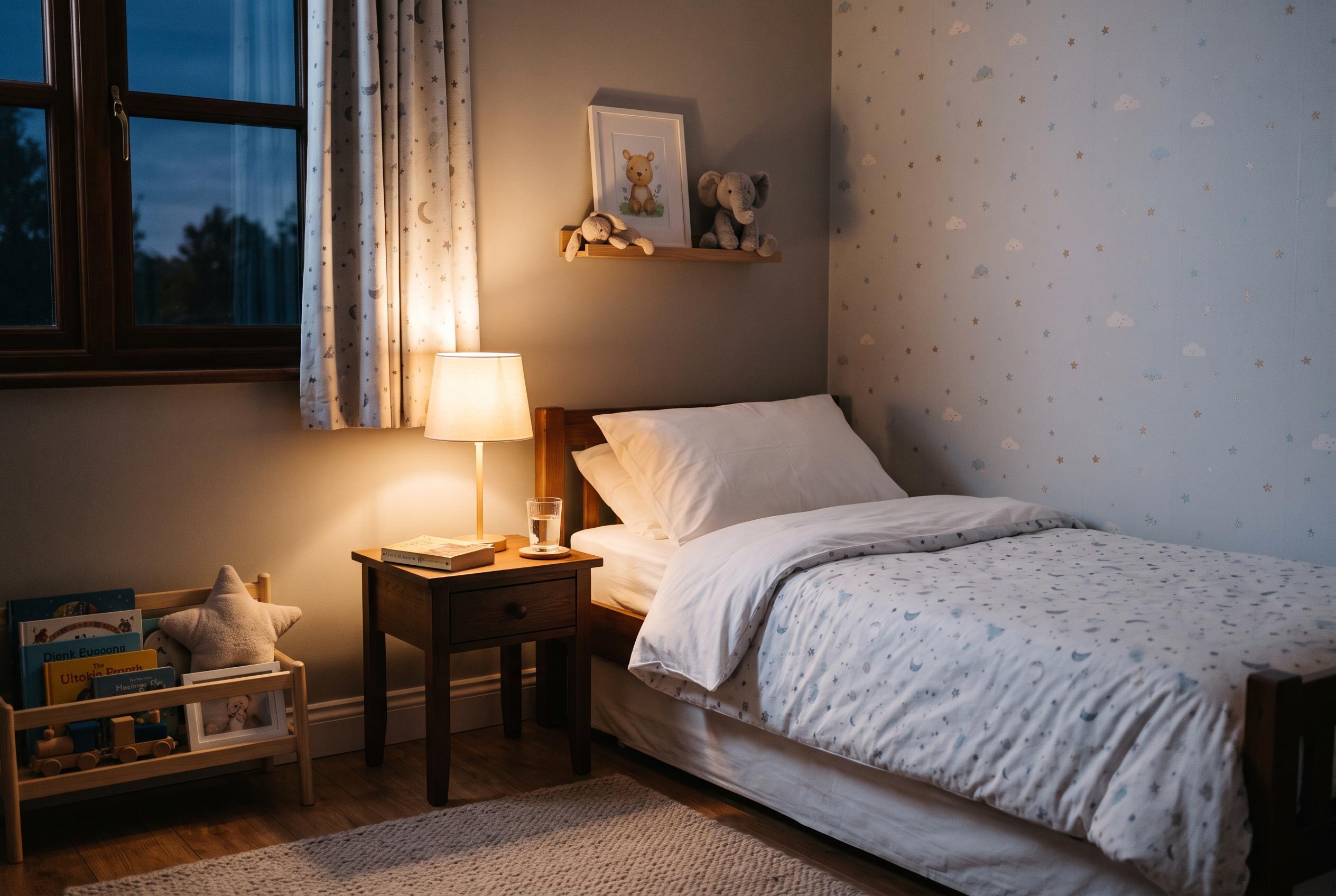

As children grow, their sleep requirements evolve, highlighting the importance of assessing sleep quality and routine to support their health, learning, and emotional well-being.
Parents often want a simple answer to how much sleep children need, but the better question is whether a child is sleeping enough to function well during the day. A school-age child who wakes without a struggle, stays alert in class and does not nod off on short car journeys is probably getting enough rest. Yet sleep quality matters as much as duration. Even a child who spends many hours in bed may still feel exhausted if there is an underlying sleep disorder or a disruptive environment, such as a television left on overnight.
Sleep needs also change with age. The American Academy of Sleep Medicine recommends 12 to 16 hours in a 24-hour period for infants aged 4 to 12 months, 11 to 14 hours for toddlers aged 1 to 2, 10 to 13 hours for preschoolers aged 3 to 5, 9 to 12 hours for children aged 6 to 12 and 8 to 10 hours for teenagers aged 13 to 18. Those ranges include naps where relevant. The Centers for Disease Control and Prevention and the National Heart, Lung and Blood Institute both say sleep is essential for health, learning and emotional well-being and note that children and adults benefit when sleep is both sufficient and consistent.
Individual children do not all sit in the middle of those ranges. Some need more sleep than others from infancy onwards, and that pattern often continues as they grow. Children with higher sleep needs may seem easy to settle in early childhood, only to hit more trouble in the teen years when schedules become tighter and natural sleep rhythms shift. By contrast, children who need less sleep may wake early, drop naps sooner and prove harder to manage at home, but they can find adolescence easier in this respect.
For parents, the most useful approach is to treat sleep as part of the daily schedule rather than as an afterthought. A child’s likely sleep requirement can help shape bedtimes, wake times and naps in a way that supports the whole household. If sleep remains a concern despite a sensible routine, health agencies advise speaking with a doctor, since poor sleep can reflect something more than simple bedtime resistance.
Disclaimer: This content is for informational purposes only and is not intended to be a substitute for professional medical judgment, advice, diagnosis, or treatment.